
Living in a small home does not mean you have to sacrifice comfort, storage, or style. The right furniture can make limited square footage feel organized, practical, and surprisingly spacious.
The best small home furniture ideas focus on choosing pieces that fit the room, serve more than one purpose, and avoid unnecessary visual clutter. A compact sofa, storage bed, extendable dining table, nesting tables, or wall-mounted desk can often provide more everyday value than several large furniture pieces competing for the same limited space.
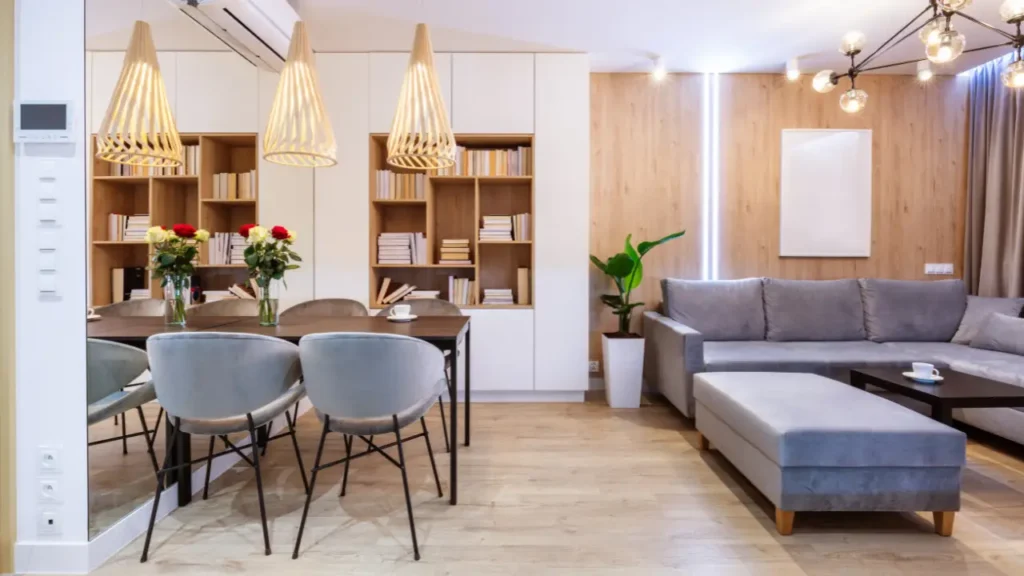
Whether you live in a small house, apartment, studio, rental home, or compact family home, thoughtful furniture planning can make a major difference. This guide explores practical furniture choices, room layouts, storage solutions, colors, and decorating strategies that help small spaces work better without making them feel crowded.
What Furniture Works Best in a Small Home?
The best furniture for a small home is not necessarily the smallest furniture available. Instead, it should be appropriately scaled for the room and useful enough to justify the space it occupies.
Choose Compact Furniture
Compact furniture helps preserve comfortable walking paths while still providing the functions you need.
Useful options include:
- Apartment-size sofas
- Compact sectionals
- Loveseats
- Narrow desks
- Slim storage cabinets
- Small dining tables
- Compact accent chairs
Before buying furniture, consider both the physical dimensions and the visual weight of the piece. A bulky sofa with oversized arms may occupy much more visual space than a streamlined sofa of a similar width.
Use Multifunctional Furniture
Multifunctional furniture is especially useful in small homes because one piece can perform multiple jobs.
Popular examples include:
- Sofa beds
- Storage beds
- Storage ottomans
- Extendable dining tables
- Folding desks
- Nesting tables
- Storage benches
For example, an ottoman with hidden storage may function as a footrest, extra seat, and storage container without requiring three separate pieces of furniture.
Look for Built-In Storage
Storage is one of the biggest challenges in small homes. Furniture with built-in storage can reduce the need for additional cabinets and shelves.
Consider:
- Beds with drawers
- Lift-up storage beds
- Storage coffee tables
- Benches with compartments
- Closed storage cabinets
- Drawer units
- Media consoles with storage
Consider Raised-Leg Furniture
Furniture with visible legs can make a room feel visually lighter because more of the floor remains visible.
This does not physically increase the room’s size, but reducing visual heaviness can help a compact space feel less crowded.
Choose Flexible Furniture
Flexible furniture can adapt when your needs change.
Good examples include:
- Modular sofas
- Stackable chairs
- Folding tables
- Nesting tables
- Lightweight stools
- Moveable storage units
This is particularly helpful for renters, studio apartment residents, and people who expect to move in the future.
Best Small Home Furniture Ideas for 2026
1. Choose One Main Furniture Anchor
Every room benefits from one primary furniture piece that helps determine the rest of the layout.
For example:
- A sofa in the living room
- A bed in the bedroom
- A dining table in the dining area
Choose the anchor piece first, then plan the remaining furniture around it. This approach can prevent the common mistake of buying several smaller items without understanding how they will fit together.
2. Use Multifunctional Furniture
One of the smartest small home furniture ideas is choosing furniture that performs more than one function.
A sofa bed can provide seating during the day and sleeping space at night. A storage bed can eliminate the need for additional storage containers. An extendable table can remain compact for everyday use and expand when guests visit.
Multifunctional furniture is most valuable when you genuinely use each function. Avoid buying complicated convertible furniture simply because it appears space-saving if the extra features are inconvenient or unnecessary.
3. Choose Furniture With Hidden Storage
Hidden storage helps small homes feel calmer because everyday belongings can be stored out of sight.
Useful options include:
- Storage benches near entryways
- Coffee tables with drawers
- Beds with under-bed storage
- Ottomans with removable lids
- Closed wall cabinets
- Storage consoles
Open shelving can be attractive, but too many visible objects may make a small room feel busy. Combining open display storage with closed cabinets often creates a better balance.
4. Use Vertical Space
Floor space is limited in a small home, but walls can provide valuable storage opportunities.
Consider:
- Floating shelves
- Tall bookcases
- Wall-mounted cabinets
- Wall-mounted desks
- Vertical storage systems
Tall furniture should still be proportional to the room. The goal is to use available height efficiently without making the room feel overloaded.
5. Try Nesting Tables
Nesting tables provide additional surface space when needed while allowing smaller tables to slide beneath larger ones afterward.
They work especially well in:
- Small living rooms
- Apartments
- Studio homes
- Flexible entertaining spaces
This makes them a practical alternative to a large coffee table in some layouts.
6. Choose Rounded Furniture
Rounded furniture can improve movement in compact rooms.
Consider:
- Round coffee tables
- Oval dining tables
- Curved chairs
- Rounded storage pieces
Soft edges can make navigating tight spaces easier while creating a less rigid visual appearance.
7. Avoid Furniture That Is Too Large
Oversized furniture is one of the fastest ways to make a small home feel crowded.
Pay attention to:
- Sofa depth
- Table width
- Bed size
- Cabinet depth
- Walking clearance
A smaller but well-proportioned sofa may create a more comfortable living room than a large sectional that leaves little room to move.
Small Living Room Furniture Ideas
The living room often needs to support relaxing, watching television, reading, entertaining, and sometimes working. In a small home, each furniture choice should serve a clear purpose.
Choose an Apartment-Size Sofa
Apartment-size sofas are designed with smaller rooms in mind. Depending on the layout, consider:
- Compact three-seat sofas
- Loveseats
- Small sectionals
- Modular sofas
Avoid choosing a sofa based only on how many people it can seat. Measure the room and make sure there is enough clearance for walking and other furniture.
Use Flexible Accent Seating
Instead of adding several permanent chairs, consider flexible seating such as:
- Compact accent chairs
- Ottomans
- Small stools
- Stackable chairs
These can be moved when guests arrive and stored or repositioned when not needed.
Choose a Smaller Coffee Table
A large coffee table can dominate a compact living room. Better options may include:
- Round coffee tables
- Nesting tables
- Slim coffee tables
- Storage coffee tables
Choose a shape and size that allows comfortable movement around the seating area.
Use Wall-Mounted TV Storage
Wall-mounted media storage can reduce visual bulk.
Options include:
- Floating media consoles
- Wall shelves
- Slim cabinets
Closed storage is particularly useful for hiding cables, electronics, and everyday clutter.
Add Storage Without Filling Every Corner
Small rooms do not need furniture against every wall. One useful storage cabinet may be better than several small storage units scattered throughout the room.
Prioritize storage that serves a real purpose.
Small Bedroom Furniture Ideas
Bedrooms can quickly become crowded because beds occupy a significant amount of floor space. The goal is to choose furniture that supports rest while providing practical storage.
Choose the Right Bed Size
The largest possible bed is not always the best choice.
Consider:
- Room dimensions
- Door clearance
- Walking paths
- Nightstand space
- Storage needs
A slightly smaller bed may make the entire bedroom more comfortable and functional.
Use a Storage Bed
Storage beds are among the most useful furniture choices for small bedrooms.
Options include:
- Drawer storage
- Lift-up storage compartments
- Open under-bed clearance for storage containers
They can reduce the need for extra storage furniture.
Try Floating Nightstands
Wall-mounted nightstands can free visible floor space and create a lighter appearance.
They are especially useful in narrow bedrooms where traditional nightstands make circulation difficult.
Choose Slim Dressers
Instead of selecting the widest possible dresser, consider a narrow or vertical model.
A taller storage piece may use wall height more efficiently than a wide, low cabinet.
Use Vertical Storage
Tall shelving, wall-mounted cabinets, and vertical organizers can help reduce pressure on limited floor space.
Add Only Essential Furniture
Ask whether each piece is used regularly. A bedroom may not need a bench, accent chair, large dresser, and multiple storage units if the room is already compact.
Small Dining Room Furniture Ideas
A small dining area can still be comfortable and useful with the right furniture.
Choose a Round Dining Table
Round tables can improve circulation because they do not have sharp corners extending into walking paths.
They can work particularly well in square or compact dining areas.
Use an Extendable Dining Table
An extendable table allows you to maintain a smaller everyday footprint while adding seating when necessary.
This can be a practical solution for homes that occasionally host guests.
Try Dining Benches
Benches can sometimes slide beneath a dining table when not in use.
They may also provide flexible seating for multiple people, depending on the design and available space.
Choose Stackable or Lightweight Chairs
Stackable chairs are useful when extra seating is needed only occasionally.
Lightweight chairs are easier to reposition when changing the layout.
Add Vertical Dining Storage
Wall shelves and narrow cabinets can store dinnerware without requiring a large sideboard.
Small Home Office Furniture Ideas
A home office does not need an entire room. With careful furniture choices, a small work zone can fit into a bedroom, living area, hallway, or unused wall.
Use a Compact Desk
Consider:
- Writing desks
- Narrow desks
- Corner desks
Choose enough surface space for your actual work rather than automatically buying the largest desk available.
Try a Floating Desk
Wall-mounted desks can be useful where floor space is limited.
Some designs also include shelving above or beside the work surface.
Use Vertical Storage
Wall shelves and tall bookcases can hold office supplies without occupying valuable desk space.
Choose an Ergonomic Compact Chair
A compact chair should still provide appropriate comfort and support for the amount of time you spend working.
Avoid sacrificing everyday comfort solely to save a few inches of space.
Control Cable Clutter
Cable clutter can make a small workspace look disorganized. Simple cable management and drawer organizers can significantly improve the appearance of a compact office.
Small Home Furniture Ideas for Studio Apartments
Studio apartments require furniture to create different functional zones within one open area.
Create Separate Zones
Use furniture placement to define:
- Sleeping zones
- Living zones
- Work zones
- Dining zones
A rug, sofa placement, shelving unit, or table can help visually separate areas without building walls.
Use Furniture as a Room Divider
Potential options include:
- Open bookshelves
- Storage units
- Sofas
- Freestanding shelving
Avoid using dividers that block too much natural light.
Choose Convertible Furniture
Studio apartments benefit from furniture that can change function.
Examples include:
- Sofa beds
- Folding tables
- Convertible desks
- Storage ottomans
Keep Furniture Visually Light
Furniture with slim frames, raised legs, and open designs can help an open-plan studio feel less crowded.
Small Home Furniture Ideas for Apartments
Apartments often require furniture that can fit through hallways, elevators, and doorways while remaining flexible enough for future moves.
Choose Furniture That Can Move Easily
Modular furniture, lightweight tables, and furniture that can be disassembled may be easier to move.
Prioritize Storage
Apartments often have limited built-in storage. Storage beds, cabinets, ottomans, and vertical shelving can help.
Avoid Oversized Sectionals
A sectional may look appealing in a large showroom but overwhelm an apartment living room.
Measure the available space before purchasing.
Use Compact Dining Solutions
Small tables, folding tables, benches, and extendable designs can provide flexibility.
Think About Future Moves
Furniture that fits your current apartment may need to work in a future home as well. Flexible, moderately sized pieces are often easier to reuse.
Best Storage Furniture Ideas for Small Homes
Storage furniture can make a small home more organized without requiring additional rooms or closets.
Storage Ottomans
Best for:
- Living rooms
- Bedrooms
- Entryways
They can provide seating, foot support, and hidden storage.
Storage Beds
Best for:
- Small bedrooms
- Apartments
- Homes with limited closets
Storage Benches
Useful near entryways, dining areas, and beds.
Vertical Cabinets
Tall cabinets can provide significant storage while using a relatively small floor footprint.
Floating Cabinets
Wall-mounted cabinets can provide closed storage while keeping more floor visible.
Storage Coffee Tables
Useful when a living room needs a table and additional storage.
Tall Bookshelves
Tall shelving can store books, baskets, and decorative items.
Under-Bed Storage
Use the area beneath the bed for seasonal items, extra linens, or belongings that are not needed daily.
Comparison Table: Best Furniture for Small Homes
| Furniture Type | Best For | Space Efficiency | Storage Value | Flexibility |
|---|---|---|---|---|
| Sofa Bed | Studio apartments | Excellent | Medium | Excellent |
| Storage Ottoman | Living rooms | Excellent | High | High |
| Storage Bed | Small bedrooms | Excellent | Excellent | Medium |
| Nesting Tables | Compact living rooms | Excellent | Low | Excellent |
| Extendable Table | Small dining spaces | High | Low | High |
| Floating Desk | Small home offices | Excellent | Medium | Medium |
| Modular Furniture | Flexible homes | High | Varies | Excellent |
The best choice depends on how you use the room. A multifunctional piece is valuable only when its extra function solves a real problem in your home.
Best Furniture Colors for Small Homes
Furniture color can influence how visually heavy or open a room feels.
Light Neutral Furniture
Popular choices include:
- Cream
- Beige
- Soft gray
- Taupe
Light neutrals can create a calm foundation and work with many decorating styles.
Natural Wood Tones
Consider:
- Light oak
- Ash
- Medium wood finishes
Natural wood can add warmth without requiring excessive decoration.
Use Dark Accent Furniture Selectively
Dark furniture can create contrast, but too many large dark pieces may make a compact room feel visually heavy.
Try using darker tones through:
- Side tables
- Accent chairs
- Small cabinets
- Decorative furniture
Add Color Through Smaller Pieces
Instead of committing to a brightly colored sofa, consider using color through:
- Ottomans
- Accent chairs
- Cushions
- Small benches
This approach is often easier to update later.
How to Make a Small Home Look Bigger With Furniture
Keep Walking Paths Clear
Clear circulation makes a home feel more comfortable and organized.
Avoid placing furniture where it forces people to constantly navigate around obstacles.
Avoid Oversized Furniture
Choose pieces based on room dimensions, not showroom appearance.
Use Raised-Leg Furniture
Visible floor space can make rooms feel lighter.
Use Vertical Storage
Move storage upward rather than spreading it across the floor.
Reduce Visual Clutter
Closed storage, fewer decorative objects, and intentional furniture choices can make a major difference.
Choose Fewer, More Useful Pieces
A room filled with small furniture can still feel crowded.
Sometimes one useful storage cabinet is better than several small tables and shelves.
Avoid Blocking Windows
Natural light helps rooms feel more open. Keep large furniture away from windows when possible.
Small Home Furniture Ideas by Interior Style
Modern Small Home
Combine:
- Clean-lined furniture
- Compact storage
- Neutral colors
- Multifunctional pieces
Focus on simple forms and practical layouts.
Minimalist Small Home
Use:
- Fewer furniture pieces
- Hidden storage
- Simple materials
- Functional layouts
Minimalism works best when it supports everyday living rather than removing useful furniture simply for appearance.
Scandinavian Small Home
Combine:
- Light wood
- Compact furniture
- Functional storage
- Comfortable textiles
This style can work particularly well in small homes because it emphasizes functionality and simplicity.
Cozy Small Home
Choose:
- Compact comfortable seating
- Warm wood
- Soft upholstery
- Smart storage
A cozy home does not need excessive furniture. Comfortable materials and a thoughtful layout often matter more.
Organic Modern Small Home
Combine:
- Natural materials
- Rounded furniture
- Warm neutrals
- Space-saving storage
Best Furniture Layout Ideas for Small Homes
Small Living Room Layout
Place the sofa as the main anchor and position smaller seating where it does not block circulation.
Use one appropriately sized table rather than multiple unnecessary tables.
Narrow Room Layout
Keep furniture from blocking the central walking path.
Place deeper furniture against one side when possible and use narrower pieces opposite it.
Studio Apartment Layout
Create separate zones through rugs, shelving, furniture placement, and lighting.
Small Bedroom Layout
Position the bed first, then determine where nightstands and storage can fit without blocking doors or walking paths.
Small Dining Room Layout
Use a compact table and seating that can move or tuck away when necessary.
Small Home Office Layout
Choose one wall or corner and build vertically using shelving rather than spreading office storage across the room.
Open-Concept Small Home Layout
Use rugs, sofas, tables, and lighting to define functional areas while maintaining clear movement.
Lighting Ideas That Improve Small Furniture Layouts
Lighting can significantly affect how spacious and comfortable a small home feels.
Use Natural Light
Avoid blocking windows with oversized furniture whenever possible.
Add Wall Lighting
Wall lighting can provide illumination without requiring floor space for additional lamps.
Choose Floor Lamps Carefully
A slim floor lamp may provide useful light without requiring a large side table.
Use Table Lamps
Small lamps can add localized lighting near reading areas, desks, and beds.
Layer Lighting
Combining ambient, task, and accent lighting can improve functionality and atmosphere.
Lighting can help highlight furniture, improve visual comfort, and make room zones easier to understand.
How to Plan Furniture Before Buying for a Small Home
Careful planning can prevent expensive mistakes.
Measure Every Room
Record:
- Room length
- Room width
- Ceiling height
- Door clearance
- Window placement
- Walking paths
Also measure the furniture you already own.
Identify How You Use Each Room
Think about whether the space is primarily for:
- Relaxing
- Sleeping
- Working
- Dining
- Entertaining
- Storage
The best layout depends on real daily use.
Choose Essential Furniture First
Start with major pieces such as:
- Sofa
- Bed
- Dining table
- Desk
Add secondary furniture only after the essential pieces fit comfortably.
Plan Walking Space
A room should allow people to move naturally without squeezing between furniture.
Plan Storage Before Decorating
Storage should not be an afterthought. Consider where everyday belongings will go before buying decorative furniture.
Consider Furniture Scale
A furniture piece can physically fit inside a room but still be visually too large.
Create a Furniture Mood Board
Include:
- Room inspiration
- Furniture dimensions
- Materials
- Colors
- Storage solutions
- Layout ideas
This can help prevent impulse purchases that do not work together.
Small Home Furniture Ideas for Different Budgets
Budget-Friendly Small Home Furniture
Focus on:
- Secondhand furniture
- Repurposed furniture
- Simple shelving
- Storage solutions
- Nesting tables
Buying used furniture can provide good value, especially when the piece is structurally sound and fits your space.
Mid-Range Furniture
Consider investing in:
- A durable sofa
- A storage bed
- A quality compact table
- Functional storage
Prioritize pieces used frequently.
Higher-Budget Small Home Furniture
A larger budget may allow for:
- Custom storage
- Built-in furniture
- Premium multifunctional furniture
- High-quality modular systems
The goal should still be usefulness rather than simply filling available space.
How to Improve a Small Home Without Buying More Furniture
Sometimes the best improvement does not require another purchase.
Try:
- Rearranging the existing layout
- Removing unnecessary pieces
- Improving storage
- Using vertical space
- Reducing clutter
- Improving lighting
- Creating clearer functional zones
- Opening blocked walking paths
Before buying something new, ask whether the problem is actually caused by poor furniture layout rather than a lack of furniture.
Common Small Home Furniture Mistakes
Avoid these common problems:
Buying Before Measuring
Always measure the room, doors, hallways, and furniture.
Choosing Oversized Sofas
A sofa that dominates the room can reduce comfort rather than increase it.
Using Too Many Small Pieces
Several small tables, stools, shelves, and cabinets can create clutter.
Blocking Walking Paths
Furniture should support movement through the home.
Ignoring Vertical Space
Walls can provide valuable storage.
Buying Furniture Without Storage
In small homes, storage needs should be considered early.
Overcrowding Rooms
Empty space is also important. Not every wall or corner needs furniture.
Forgetting Door Clearance
Furniture should not interfere with doors, drawers, cabinets, or closets.
Small Home Furniture Ideas for Different Home Types
Studio Apartment
Prioritize multifunctional furniture and flexible zones.
One-Bedroom Apartment
Use the bedroom primarily for rest and keep larger multifunctional furniture in shared living areas.
Small House
Focus on appropriately scaled furniture and avoid filling every room immediately.
Tiny Living Room
Choose one main seating solution, a compact table, and only essential storage.
Rental Home
Select furniture that can move easily and adapt to future layouts.
Family Home
Prioritize durable furniture, storage, flexible seating, and clear movement.
Shared Apartment
Choose furniture that supports multiple users without overcrowding common spaces.
Vacation Home
Select practical, durable furniture without overfilling rooms that may not be used every day.
Before-and-After Small Home Furniture Ideas
The biggest improvements often come from better planning rather than more expensive furniture.
Empty Small Room to Functional Living Space
Start with one sofa, appropriate storage, and one flexible table instead of filling the room immediately.
Cluttered Apartment to Organized Home
Replace scattered storage solutions with fewer, more effective closed cabinets and multifunctional furniture.
Small Bedroom to Storage-Focused Retreat
A storage bed, slim nightstands, and vertical storage can free significant floor space.
Studio Apartment to Multi-Zone Living Space
Use furniture placement and rugs to separate sleeping, working, dining, and relaxing areas.
Oversized Furniture Layout to Better-Proportioned Room
Replacing one oversized piece may improve movement and make the entire room feel more balanced.
For additional originality and reader value, consider adding your own room measurements, before-and-after photos, actual furniture dimensions, budget examples, and real layout experiences when publishing.
Related Topics to Link Internally
You can naturally connect this article with related pages on your website, such as:
- Modern furniture ideas
- Affordable furniture ideas
- Cozy home furniture ideas
- Space-saving furniture ideas
- Small bedroom furniture ideas
- Living room furniture ideas
- Minimalist floating desk setup
- High-end furniture look for less
- Floating shelves for office wall decor
- Mid-century modern accent chairs under $200
- Sustainable wood furniture brands
Use descriptive internal anchor text that tells readers what the linked page is about.
Google’s current guidance emphasizes useful, well-organized, original, people-first content and descriptive, concise page titles rather than keyword repetition or artificial word-count targets.
Frequently Asked Questions
What furniture is best for a small home?
The best furniture for a small home is appropriately scaled, functional, and suited to the way you use the room. Multifunctional furniture, storage furniture, compact sofas, nesting tables, and vertical storage are often useful choices.
How do I choose furniture for a small house?
Measure the room first, identify your essential needs, choose major furniture pieces before smaller accessories, and maintain clear walking paths.
What furniture saves the most space?
Multifunctional furniture often saves the most space. Sofa beds, storage beds, storage ottomans, nesting tables, folding furniture, and extendable tables can provide multiple functions without requiring separate pieces.
How can I make a small home look bigger?
Keep walking paths clear, reduce visual clutter, use vertical storage, avoid oversized furniture, allow natural light into the room, and choose appropriately scaled pieces.
Is multifunctional furniture worth buying?
Yes, when you regularly use more than one function. A storage bed or sofa bed can be particularly valuable when it replaces the need for separate furniture.
What type of sofa is best for a small living room?
A compact sofa, loveseat, apartment-size sectional, or modular sofa may work well depending on the room dimensions and layout.
How should furniture be arranged in a small home?
Start with the largest essential furniture piece and arrange smaller items around it. Maintain clear paths and avoid pushing furniture into every available corner.
What furniture is best for a studio apartment?
Studio apartments often benefit from sofa beds, storage furniture, nesting tables, compact desks, and furniture that helps create separate functional zones.
Should small homes use small furniture?
Not always. Furniture should be proportional to the room and comfortable enough for everyday use. Extremely small furniture can sometimes create an awkward layout.
What colors make a small home look bigger?
Light neutrals and natural tones can create an open, calm appearance. Dark furniture can still work when used strategically as an accent.
How can I add storage to a small home?
Use storage beds, ottomans, benches, vertical cabinets, floating shelves, under-bed storage, and multifunctional furniture.
Are floating shelves good for small homes?
Floating shelves can be useful because they provide storage without occupying floor space. However, avoid overcrowding them with too many items.
What is the best bed for a small bedroom?
The best bed is one that fits the room comfortably while meeting your sleeping and storage needs. Storage beds are particularly useful when closet space is limited.
How much furniture should be in a small room?
Only include furniture that supports the room’s main functions. A smaller number of useful pieces often works better than filling the room with furniture.
How can I furnish a small home on a budget?
Prioritize essential pieces, consider secondhand furniture, use multifunctional furniture, improve existing pieces, and furnish rooms gradually rather than buying everything at once.
Conclusion: Creating a Stylish and Functional Small Home
A small home can be comfortable, organized, and stylish when furniture is chosen with intention.
The most important step is understanding how each room is actually used. Choose furniture that fits the scale of the space, provides useful functions, and allows comfortable movement. Multifunctional pieces can reduce the need for additional furniture, while built-in and vertical storage can help control clutter.
Avoid the temptation to fill every empty corner. A small home often feels better when there is enough open space to move comfortably and when each furniture piece has a clear purpose.
Prioritize essential furniture first, measure before buying, and think about long-term flexibility. The right layout can sometimes improve a room more than purchasing additional furniture.
Ultimately, the best small home furniture ideas create a space that feels comfortable, stylish, organized, functional, and practical without making limited square footage feel crowded.
