
Moving into your first apartment is exciting, but furnishing an empty space can quickly become overwhelming. With an entire apartment waiting for furniture, it is easy to assume you need to buy everything immediately.
You don’t.
The best approach is to start with the pieces that make your apartment comfortable and functional, then add furniture as you learn how you actually use the space. A comfortable bed matters more than a decorative bench. A properly sized sofa is more useful than an oversized sectional that blocks the room. And a storage ottoman can sometimes do more for a small apartment than another large cabinet.
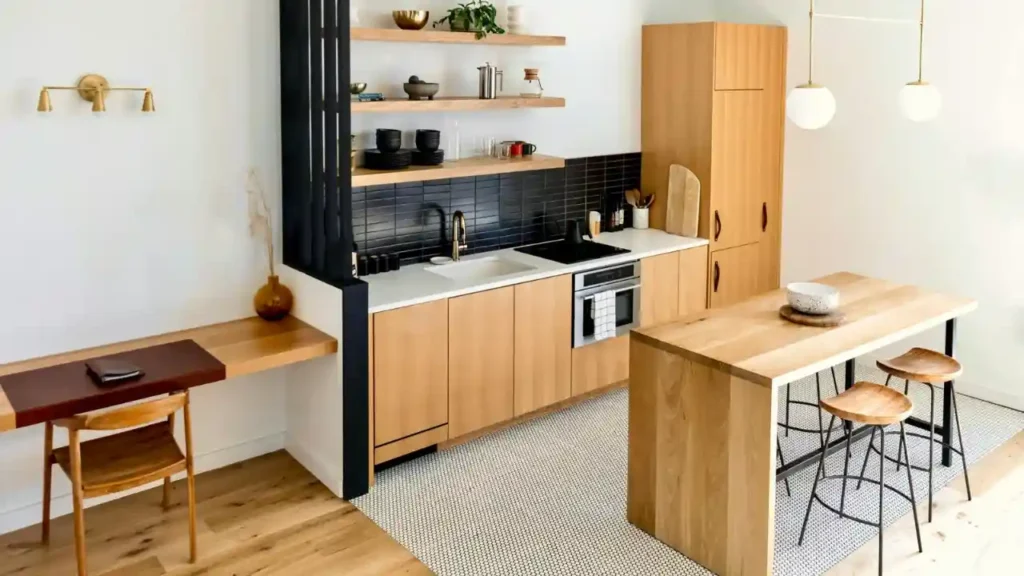
If you’re looking for the best furniture for first apartment, this guide will help you decide what to buy first, where to save money, what works in small spaces, and which purchases can wait.
What Furniture Do You Need for Your First Apartment?
Before shopping, divide furniture into three categories: essentials, useful additions, and pieces that can wait.
This simple approach helps prevent impulse purchases and gives you more control over your budget.
Must-Have Furniture
For most first apartments, the basic furniture essentials include:
- Mattress
- Bed frame
- Sofa or primary seating
- Dining table or compact dining surface
- Dining chairs
- Dresser or clothing storage
- Nightstand or bedside table
The exact list will depend on your apartment and lifestyle. Someone living alone in a studio may need far less furniture than a couple living in a two-bedroom apartment.
Nice-to-Have Furniture
Once the essentials are covered, consider:
- Coffee table
- TV stand or media console
- Bookshelf
- Entryway table
- Accent chair
- Ottoman
- Side tables
These pieces can improve comfort and style, but most are not urgent purchases.
Buy Later Furniture
Some furniture is better purchased after you’ve lived in the apartment for a while.
Examples include:
- Large sectional sofas
- Oversized entertainment centers
- Decorative cabinets
- Extra accent furniture
- Formal dining sets
- Large statement pieces
Waiting allows you to understand your floor plan, storage needs, and daily habits before spending more money.
Buy Now vs. Buy Later
| Furniture | Priority | Why |
|---|---|---|
| Mattress | Must-have | Essential for everyday use |
| Bed frame | Must-have | Supports the mattress and establishes the bedroom |
| Sofa | High | Provides primary living-area seating |
| Dresser | High | Helps organize clothing |
| Dining table | Medium | Depends on your space and lifestyle |
| Coffee table | Later | Useful but not essential |
| Accent chair | Later | Adds seating but requires additional floor space |
The goal isn’t to make your apartment look finished on day one. The goal is to make it liveable first.
15 Best Furniture Pieces for a First Apartment
The best first apartment furniture combines comfort, practicality, reasonable size, and flexibility. When possible, choose pieces that can serve more than one purpose or adapt to a future home.
1. Comfortable Sofa
A sofa will often become one of the most-used pieces of furniture in your apartment, so comfort should come before appearance.
For a smaller living room, an apartment-size sofa or compact two-seat sofa can provide plenty of seating without overwhelming the room. A standard three-seat sofa may work well if you have more space.
Consider:
- Apartment-friendly dimensions
- Two-seat versus three-seat designs
- Sofa depth
- Performance fabrics
- Removable or washable covers
- Neutral upholstery
- Sleeper-sofa functionality
A sleeper sofa can be particularly useful if you occasionally host overnight guests and don’t have a dedicated guest room.
Practical Tip
Don’t measure only the living room.
Before buying a sofa, measure your front door, hallway, stairwell, elevator, building entrance, and any tight turns. A sofa that fits the room can still be impossible to deliver.
2. Quality Mattress
Your mattress is one of the most important purchases in your first apartment because it directly affects everyday comfort.
Rather than choosing a mattress based only on price or appearance, consider your sleeping position, preferred firmness, mattress size, and available bedroom space.
If you are furnishing on a limited budget, it can make sense to prioritize the mattress over decorative furniture.
Before purchasing, also check the seller’s return policy and warranty terms. A mattress that feels comfortable in a showroom may feel different after several nights at home.
3. Simple Bed Frame
A bed frame doesn’t need to be complicated to work well.
Simple platform beds are particularly useful because they can create a clean appearance without requiring a bulky box spring setup, depending on the mattress and frame design.
Other options include:
- Storage beds
- Upholstered beds
- Wood bed frames
- Metal frames
- Platform beds
For a small apartment, a bed frame with built-in or under-bed storage can provide valuable space for bedding, seasonal clothing, luggage, or other items.
Choose a frame that fits your mattress correctly and leaves enough room to move around the bed.
4. Nightstand
A nightstand is small, but it can make a bedroom feel significantly more functional.
It gives you a convenient place for:
- Your phone
- A bedside lamp
- Books
- Glasses
- Charging cables
- Small personal items
If a traditional nightstand takes up too much space, consider a floating nightstand, narrow side table, or compact cabinet.
You don’t necessarily need matching nightstands on both sides of the bed, either. In a small bedroom, one well-placed bedside table may be enough.
5. Dresser or Clothing Storage
Closet space varies dramatically between apartments, so clothing storage should be based on what your apartment actually provides.
A tall dresser can be useful when floor space is limited because it uses vertical space. A wider dresser may work better in a larger bedroom.
Other solutions include:
- Modular storage
- Under-bed drawers
- Closet organizers
- Tall cabinets
- Storage benches
Before buying a large dresser, check how much clothing you need to store and whether your closet already handles most of it.
More storage isn’t always better if it makes the bedroom difficult to navigate.
6. Dining Table
A dining table doesn’t have to dominate your apartment.
If you’re furnishing a small space, consider:
- Round dining tables
- Drop-leaf tables
- Extendable tables
- Small rectangular tables
- Counter-height tables
Round tables can work well in areas where sharp corners would interfere with movement. Drop-leaf and extendable designs provide flexibility when you occasionally need additional dining space.
Choose the table based on the number of people who normally use it rather than the number of guests you might host once or twice a year.
7. Dining Chairs
Dining chairs should be comfortable, stable, and appropriately sized for the table.
For a first apartment, practical choices include:
- Stackable chairs
- Lightweight chairs
- Upholstered chairs
- Wood chairs
- Mixed seating
Stackable chairs can be especially helpful when you don’t regularly need a full set.
You can also mix a bench with individual chairs if the layout allows it. This can create a more flexible arrangement while using space efficiently.
8. Coffee Table
A coffee table can anchor a living room, but choosing one that is too large can make the entire room feel cramped.
Before buying, think about:
- Available floor space
- Clearance around the sofa
- Table height
- Shape
- Storage requirements
Round coffee tables can soften rooms with lots of straight lines, while rectangular tables often work naturally with longer sofas.
If you’re short on storage, a lift-top or storage coffee table can provide additional functionality without requiring another cabinet.
9. TV Stand or Media Console
If you plan to have a television in your first apartment, a low-profile media console can provide both support and storage.
Look for features such as:
- Closed storage
- Cable-management openings
- Shelves
- Drawers
- Appropriate width
- Stable construction
A floating console can create a lighter visual appearance and make cleaning underneath easier.
Avoid choosing an enormous entertainment center simply because you have a large television. A simple console may be enough.
10. Bookshelf
A bookshelf can be much more versatile than its name suggests.
Use it for:
- Books
- Plants
- Artwork
- Decorative objects
- Home-office supplies
- Kitchen overflow storage
In a small apartment, a tall bookshelf can take advantage of vertical space without consuming as much floor area as a wide storage cabinet.
If you’re renting, check your lease before installing wall-mounted shelving or making significant wall modifications.
11. Entryway Furniture
Even a small entryway benefits from a little organization.
Depending on the available space, useful options include:
- Narrow console tables
- Storage benches
- Shoe cabinets
- Wall-mounted shelves
A narrow piece can provide a place for keys, mail, bags, or shoes without making the entrance difficult to walk through.
If your entryway is extremely small, skip bulky furniture and focus on compact storage instead.
12. Storage Ottoman
A storage ottoman is one of the most useful pieces of furniture for a first apartment because it can perform several jobs.
Depending on the design, it can function as:
- Extra seating
- A footrest
- Blanket storage
- A temporary table surface
- Flexible living-room furniture
Choose one with a size that works with your sofa. A large ottoman can become a visual and physical obstacle in a small room.
13. Accent Chair
An accent chair can provide extra seating and personality, but it isn’t essential for every first apartment.
Consider one if:
- You regularly host guests
- You have an unused corner
- You enjoy reading
- Your sofa doesn’t provide enough seating
Skip it for now if adding another chair would make your living room difficult to navigate.
A chair should solve a seating or design problem—not simply fill an empty corner.
14. Side Tables
Side tables are useful beside sofas, accent chairs, and beds.
A compact table can hold:
- Lamps
- Drinks
- Books
- Phones
- Decorative objects
Look for lightweight pieces that can be moved when needed.
In a small apartment, nesting tables can be particularly useful because they provide additional surface area without permanently taking up the footprint of several separate tables.
15. Multipurpose Furniture
Multipurpose furniture is especially valuable when you’re furnishing a small apartment.
Good examples include:
- Sleeper sofas
- Storage ottomans
- Lift-top coffee tables
- Storage beds
- Drop-leaf dining tables
- Desks that double as consoles
The best multifunctional pieces aren’t necessarily the ones with the most features. They are the pieces that solve a real problem without making the room harder to use.
Best Furniture for a Small First Apartment
Small apartments require more attention to scale and flexibility.
Instead of asking only whether a piece fits, ask whether you can comfortably move around it.
Choose Furniture With a Small Footprint
A smaller sofa with useful seating may be better than a deep, oversized sectional.
Likewise, a narrow bookshelf can provide substantial storage without consuming the same floor space as a large cabinet.
Pay attention to:
- Width
- Depth
- Height
- Clearance
- Visual weight
Furniture with exposed legs can sometimes make a room feel more open because more of the floor remains visible.
Use Vertical Storage
When floor space is limited, look upward.
Useful vertical solutions include:
- Tall bookshelves
- Wall shelves
- Tall cabinets
- Over-door storage
Vertical furniture can increase storage capacity while preserving valuable walking space.
Just make sure tall furniture is appropriate for the room and securely installed when required.
Choose Furniture With Hidden Storage
Hidden storage helps keep small apartments visually calm.
Consider:
- Storage beds
- Storage ottomans
- Benches with compartments
- Cabinets
- Lift-top tables
These pieces can reduce clutter without adding multiple standalone storage units.
Leave Enough Walking Space
A room can technically contain all the furniture you want and still feel uncomfortable.
Try to maintain practical paths between:
- Doors
- Windows
- Seating
- Kitchen areas
- Bedroom furniture
- Bathrooms
- Closets
When deciding between two furniture pieces, the better choice is often the one that gives you more usable space.
Best Furniture for a First Apartment on a Budget
Furnishing an apartment can become expensive quickly, especially when you need several rooms at once.
The solution isn’t necessarily to buy the cheapest version of everything.
Instead, divide your budget according to how often you’ll use each item.
Where to Spend More
Consider allocating more of your budget toward:
- Mattress
- Sofa
- Frequently used seating
- Bed frame
- Durable storage
These are pieces you may use every day, so comfort and durability can matter more than decorative details.
Where to Save
You may be able to spend less on:
- Side tables
- Decorative shelves
- Simple dining chairs
- Entryway furniture
- Small accent pieces
A simple side table can perform its job perfectly well without being an expensive designer piece.
Buy Furniture in Stages
Trying to furnish an entire apartment in one weekend can lead to purchases you later regret.
Stage 1 — Essentials
Start with:
- Mattress
- Bed
- Sofa
- Basic clothing storage
These make the apartment functional.
Stage 2 — Function
Next consider:
- Dining table
- Dining chairs
- Dresser
- Coffee table
- Media console
These pieces improve everyday convenience.
Stage 3 — Personality
Finally add:
- Accent chair
- Side tables
- Bookshelf
- Decorative furniture
At this point, you’ll know more about the room and can make better style decisions.
How Much Furniture Should You Buy for a First Apartment?
There isn’t one perfect number of furniture pieces for every apartment.
The right amount depends on:
- Apartment size
- Floor plan
- Number of residents
- Lifestyle
- Storage needs
- Work-from-home requirements
- Entertaining habits
Someone who spends most evenings out may need less living-room furniture than someone who works from home and regularly hosts friends.
Likewise, someone with generous closet storage may not need a large dresser.
Don’t Furnish Every Empty Corner
An empty corner isn’t automatically a problem.
Leaving some open space can improve:
- Movement
- Visual balance
- Flexibility
- Cleaning
- The overall feeling of the apartment
Furniture should support how you live rather than simply occupy available floor space.
How to Choose Furniture for Your Apartment Size
Different apartment layouts call for different priorities.
| Apartment Type | Furniture Priorities |
|---|---|
| Studio | Compact and multifunctional pieces |
| Small 1-bedroom | Storage-focused furniture with moderate dimensions |
| Standard 1-bedroom | Balanced furniture with practical scale |
| 2-bedroom | More seating and dedicated storage |
| Large apartment | Larger pieces and room-specific furniture |
Don’t assume that a larger apartment requires furniture for every room immediately. Furnish each space according to how you actually intend to use it.
Best Furniture Styles for a First Apartment
Your first apartment is a good opportunity to establish a style, but choosing a timeless foundation can make future decorating easier.
Modern
Modern furniture typically works well when you prefer:
- Clean lines
- Simple silhouettes
- Minimal ornamentation
- Functional layouts
Its straightforward shapes can also work well in smaller apartments.
Mid-Century Modern
Mid-century modern furniture is known for streamlined shapes, tapered or slim legs, and a balance between function and visual simplicity.
Its lighter-looking forms can work especially well when you don’t want furniture to visually dominate a room.
Scandinavian
Scandinavian-inspired furniture often emphasizes:
- Simplicity
- Practicality
- Light colors
- Natural materials
- Comfortable forms
It can be a strong choice for first-time renters who want a relaxed and uncluttered home.
Japandi
Japandi combines Japanese-inspired simplicity with Scandinavian warmth.
Think:
- Natural wood
- Neutral colors
- Simple furniture
- Soft textures
- Minimal clutter
The style works particularly well when you want your apartment to feel calm rather than crowded.
Modern Organic
Modern organic interiors combine simple furniture with natural materials and soft textures.
Common elements include:
- Wood
- Linen-like textures
- Neutral upholstery
- Rounded forms
- Earth-inspired colors
This style can make basic apartment furniture feel warm and inviting.
Transitional
Transitional furniture sits between traditional and contemporary styles.
It can be useful if you want pieces that feel classic without looking overly formal.
Best Furniture Colors for a First Apartment
The furniture colors you choose can influence how easily you can decorate around them later.
Neutral Furniture
Flexible foundation colors include:
- Beige
- Cream
- White
- Gray
- Taupe
- Natural wood
Neutral furniture doesn’t mean your apartment has to look boring. You can introduce personality through artwork, rugs, curtains, pillows, plants, and smaller furniture pieces.
Adding Color
If you want more personality, consider introducing:
- Green
- Blue
- Terracotta
- Rust
- Brown
- Black
A practical approach is to keep larger, expensive furniture relatively versatile and introduce stronger colors through smaller or easier-to-replace pieces.
How to Measure Before Buying First-Apartment Furniture
One of the most expensive furniture mistakes is purchasing something that doesn’t fit.
Measuring before shopping can prevent that problem.
Measure the Room
Record:
- Room length
- Room width
- Ceiling height
- Window locations
- Door locations
- Radiators or vents
- Electrical outlets
Don’t rely on a rough visual estimate.
Measure the Furniture
Check the listed:
- Width
- Depth
- Height
For some furniture, also check seat height, arm height, leg clearance, or extension dimensions.
An extendable table, for example, needs enough space to accommodate its fully extended size.
Measure the Delivery Route
Your furniture has to reach the room before you can use it.
Measure:
- Front door
- Building entrance
- Hallway
- Staircase
- Elevator
- Tight corners
If the building has an elevator, check both the elevator door opening and interior dimensions.
Use Painter’s Tape to Test Furniture Size
A simple trick is to use painter’s tape to mark the furniture footprint directly on the floor.
For example, if you’re considering a sofa, tape out its approximate width and depth.
Then walk around it.
Open doors.
Pull out chairs.
Stand in the spaces where you’ll actually use the furniture.
This gives you a much better sense of scale than looking at a product photo.
Common First-Apartment Furniture Buying Mistakes
Your first apartment is a learning experience, and furniture mistakes can be expensive.
Buying Everything at Once
You don’t need to create a finished home immediately.
Buying slowly gives you time to understand what you actually need.
Choosing Looks Over Comfort
A beautiful sofa isn’t a good purchase if you don’t enjoy sitting on it.
For frequently used furniture, comfort should be part of the decision.
Buying Furniture Without Measuring
Never assume a piece will fit because the room looks large enough in a photograph.
Measure both the room and the delivery route.
Buying Oversized Furniture
Oversized furniture can consume walking space and make small rooms feel crowded.
Choose furniture according to the room’s scale, not just your preferred style.
Ignoring Storage
A beautiful apartment becomes difficult to enjoy when everyday items have nowhere to go.
Look for furniture that provides useful storage without overwhelming the room.
Buying Too Many Matching Pieces
A perfectly matched furniture set can make an apartment feel less personal.
Mixing complementary materials, shapes, and finishes can create a more relaxed look.
Filling Every Empty Corner
Open space has value.
Don’t buy furniture just because you have an unused corner.
Choosing Furniture That Is Difficult to Move
First-apartment renters may move again, so extremely heavy or awkward furniture can become a long-term inconvenience.
Consider portability as part of the purchase.
Buying Cheap Furniture That Needs Immediate Replacement
Low price doesn’t always mean good value.
A very inexpensive item that breaks quickly may cost more over time than a reasonably priced, durable alternative.
Forgetting the Delivery Path
A piece can fit perfectly in your floor plan and still fail at the front door.
Always consider how it will get inside.
How to Make Cheap Furniture Look More Expensive
A stylish apartment doesn’t require every furniture piece to be expensive.
The overall appearance often depends more on how the pieces work together.
Create a Consistent Color Palette
Choose a small group of colors and repeat them throughout the apartment.
For example, warm wood, cream upholstery, and black accents can create a cohesive foundation.
Improve the Lighting
Good lighting can dramatically change how furniture looks.
Combine:
- Ceiling lighting
- Floor lamps
- Table lamps
- Ambient lighting
Warm, layered lighting can make inexpensive furniture feel more intentional and comfortable.
Layer Textiles
Add texture with:
- Rugs
- Curtains
- Throws
- Pillows
- Bedding
These details can give simple furniture more visual depth.
Use Consistent Hardware
If your apartment furniture has visible hardware, keeping finishes reasonably coordinated can create a more polished appearance.
Repeat Wood Tones
You don’t need every wooden piece to be identical, but wildly different finishes can sometimes make a small apartment feel visually disconnected.
Choose a dominant wood tone and introduce other finishes carefully.
Add Books, Plants, and Artwork
Personal details are what make an apartment feel lived-in.
Use books, plants, framed artwork, and meaningful objects rather than filling surfaces with random decorations.
Don’t Forget the Rug
A properly sized rug can visually connect a sofa, coffee table, and chairs into one living area.
A rug that is too small can make the furniture arrangement feel disconnected.
First Apartment Furniture Checklist
Use this checklist while furnishing your apartment.
Living Room
- Sofa
- Coffee table
- TV stand or media console
- Side table
- Accent chair
Bedroom
- Mattress
- Bed frame
- Nightstand
- Dresser
- Clothing storage
Dining Area
- Dining table
- Dining chairs
Entryway
- Shoe storage
- Console or shelf
- Storage bench
Flexible Storage
- Bookshelf
- Storage ottoman
- Storage cabinet
You don’t need to check every box. Use the list as a starting point and remove anything your apartment or lifestyle doesn’t require.
First Apartment Furniture Buying Priority Chart
A priority chart can make shopping much easier when your budget is limited.
| Furniture | Buy First? | Space Priority | Budget Priority |
|---|---|---|---|
| Mattress | Yes | High | High |
| Bed frame | Yes | High | Medium |
| Sofa | Yes | High | High |
| Dresser | Usually | Medium | Medium |
| Dining table | Depends | Medium | Medium |
| Coffee table | Later | Medium | Low |
| Accent chair | Later | Low | Low |
| Bookshelf | Depends | Medium | Medium |
| Storage ottoman | Optional | High | Medium |
Use this chart as a guide rather than a strict rule. Your lifestyle should ultimately determine your priorities.
How to Build a Cohesive First-Apartment Furniture Look
A cohesive apartment doesn’t require identical furniture.
It requires visual connections between different pieces.
Choose One Main Furniture Style
You can mix styles, but having a dominant direction makes decisions easier.
For example, you might choose modern furniture as your foundation and add natural or vintage accents.
Limit Major Wood Tones
Too many unrelated wood finishes can create visual noise.
Choose one dominant wood tone and use other finishes as accents.
Repeat Two or Three Main Colors
Repeating colors throughout different rooms creates continuity.
For example:
- Cream
- Warm brown
- Soft green
can appear in furniture, rugs, curtains, artwork, and accessories.
Mix Textures
Combine smooth and textured surfaces.
For example:
- Wood
- Upholstery
- Metal
- Glass
- Woven materials
A mixture of textures can make a simple furniture collection feel more considered.
Combine New and Secondhand Pieces Carefully
New furniture doesn’t have to be combined only with other new furniture.
A secondhand side table, vintage chair, or older bookshelf can add character to a newer apartment.
The key is to consider condition, scale, color, and overall compatibility.
Keep Large Furniture Visually Simple
Large pieces already attract attention.
Keeping the sofa, bed, or dining table relatively simple can make it easier to introduce personality through smaller items.
Should You Buy New or Used Furniture for Your First Apartment?
Both new and used furniture can make sense.
The right choice depends on your budget, priorities, and willingness to inspect items carefully.
Benefits of New Furniture
New furniture may offer:
- Warranty coverage
- Predictable condition
- Easier style coordination
- Delivery options
- Current designs
It can be especially appealing for mattresses and other items where condition and hygiene are important.
Benefits of Used Furniture
Used furniture can offer:
- Lower purchase prices
- Vintage character
- Access to older designs
- Opportunities to find quality pieces at lower prices
- A way to furnish gradually
However, lower cost shouldn’t mean skipping inspection.
What to Inspect Before Buying Used Furniture
Check:
- Structural condition
- Unusual odors
- Upholstery condition
- Water damage
- Hardware
- Drawers and hinges
- Scratches or major damage
- Signs of pests
For upholstered furniture, inspect seams, cushions, undersides, and hidden areas carefully.
If you’re uncertain about an item’s condition, walking away is usually better than bringing a problem into your new apartment.
What Furniture Should You Avoid in a First Apartment?
Not every attractive furniture piece is practical for a first home.
Oversized Sectional Sofas
A huge sectional can dominate a small living room and make rearranging difficult.
Choose one only when your room and lifestyle genuinely justify it.
Huge Dining Sets
A large dining table and six- or eight-chair set may consume valuable floor space if you normally eat alone or as a couple.
A compact table may be much more practical.
Bulky Entertainment Centers
Modern televisions generally don’t require enormous entertainment furniture.
A smaller media console can provide the necessary support and storage without dominating the room.
Furniture With Poor Storage
If storage is limited, furniture that occupies significant space without providing useful function may not be the best investment.
Extremely Delicate Upholstery
If you expect heavy daily use, pets, children, or frequent guests, extremely delicate upholstery may require more care than you want.
Pieces That Cannot Fit Through Standard Access Points
Never purchase a large item without checking how it will enter the apartment.
Furniture Purchased Solely Because It Is Trendy
Trends can be fun, but major furniture pieces are expensive and often difficult to replace.
Choose pieces you genuinely like and can imagine using for several years.
FAQs About the Best Furniture for a First Apartment
What furniture should I buy first for my first apartment?
Start with the furniture required for everyday living: a mattress, bed frame, sofa or primary seating, clothing storage, and basic dining furniture if needed. Add secondary pieces after you understand the space.
What are the most important pieces of first apartment furniture?
The most important pieces are usually a comfortable mattress, bed frame, sofa, clothing storage, and a practical surface for eating or working. Your lifestyle may change the priority order.
How much furniture do I need for a small apartment?
Buy only what supports your daily activities. A small apartment may need a compact sofa, bed, storage furniture, and a small dining or work surface rather than a complete collection of traditional furniture.
What furniture is best for a studio apartment?
Multifunctional and space-saving furniture is often the most practical choice. Consider storage beds, sleeper sofas, nesting tables, compact dining tables, and vertical shelving.
Should I buy a sofa or sectional for my first apartment?
A sofa is often the safer choice when you’re uncertain about space. A sectional can work well if the living room is large enough and the layout supports it, but measure carefully before purchasing.
What furniture should I splurge on?
Consider spending more on furniture you use every day, particularly your mattress, sofa, and frequently used seating. Comfort, construction, and durability can be more important than decorative features.
How can I furnish my first apartment on a budget?
Buy essential pieces first, compare prices, consider used furniture where appropriate, choose multifunctional pieces, and avoid buying decorative furniture until your basic needs are covered.
Is it better to buy new or used furniture?
Neither option is automatically better. New furniture provides predictable condition and may include warranties, while used furniture can reduce costs and add character. Inspect used pieces carefully before purchasing.
What furniture saves the most space?
Furniture with multiple functions can save substantial space. Storage beds, storage ottomans, lift-top coffee tables, drop-leaf tables, nesting tables, and sleeper sofas are useful examples.
What should I not buy for my first apartment?
Avoid oversized furniture, unnecessary dining sets, bulky entertainment centers, pieces with little practical value, and anything that hasn’t been measured against both your room and delivery route.
Final Thoughts
Furnishing your first apartment doesn’t have to happen all at once.
The best furniture for first apartment living is furniture that fits your actual space, supports your daily routine, provides useful storage, and remains flexible as your needs change.
Start with the essentials. Prioritize your mattress, bed, sofa, and necessary storage. Measure every major purchase before ordering it, including the route the furniture will take into your apartment. For smaller spaces, look for multifunctional designs that provide more than one useful function without taking over the room.
Then live in the apartment for a while.
You may discover that you don’t need the large dining set you originally planned to buy. You might realize a storage ottoman is more useful than an accent chair. Or you may find that an empty corner looks better left open.
Your first apartment doesn’t need to look like a fully furnished showroom. It needs to feel comfortable, practical, and genuinely yours. Build it gradually, choose pieces thoughtfully, and let your furniture work for the way you actually live.
