
Introduction
A home does not always need more furniture. Sometimes, it needs furniture that can do more.
The best multifunctional furniture ideas combine two or more useful functions in one piece without making either function uncomfortable or inconvenient. A storage ottoman can provide seating and hidden storage. A sofa bed can create a guest sleeping area without requiring a permanent bed. A lift-top coffee table can work as both a table and a temporary workspace.
This approach can be especially useful in small rooms, flexible home offices, guest rooms, studios, and homes where one space needs to serve several purposes.
However, multifunctional furniture is not automatically better than traditional furniture. Extra functions can mean more moving parts, greater weight, additional assembly, higher cost, or more maintenance. The goal is not to buy furniture with the longest feature list. It is to choose pieces that solve real problems in your home.
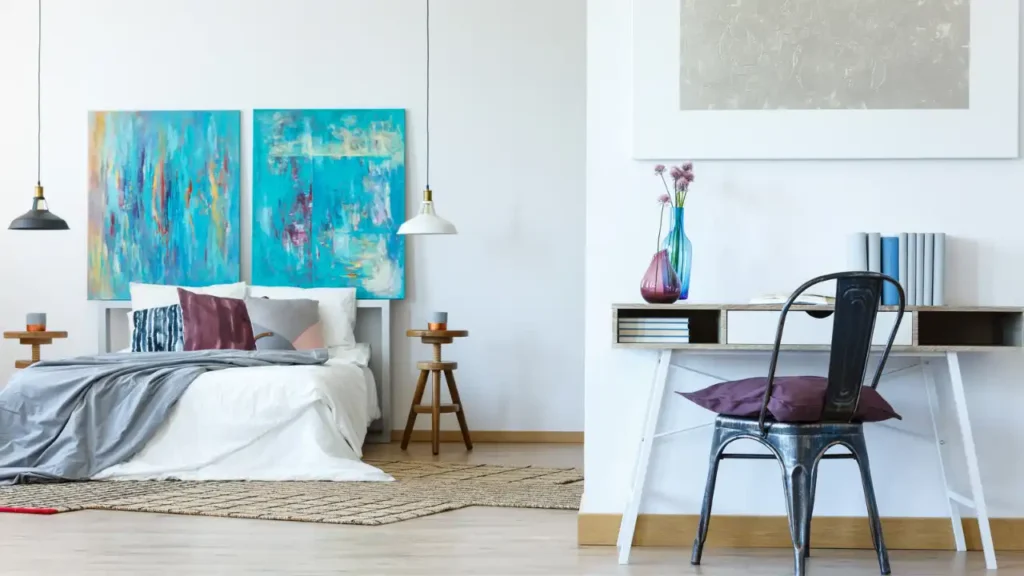
The best multifunctional furniture makes your space more useful without making everyday life more complicated.
What Is Multifunctional Furniture?
Multifunctional furniture is designed to perform two or more useful functions within the same piece.
For example:
| Furniture | Primary Function | Secondary Function |
|---|---|---|
| Storage Ottoman | Footrest | Storage or seating |
| Sofa Bed | Sofa | Guest bed |
| Storage Bed | Bed | Organization |
| Lift-Top Coffee Table | Table | Workspace or storage |
| Drop-Leaf Table | Dining | Compact table or console |
| Storage Bench | Seating | Storage |
| Desk With Shelves | Workspace | Organization |
The important distinction is between genuine multifunctionality and furniture that simply has extra features.
A drawer that you can barely reach is not particularly useful storage. A complicated conversion mechanism that you never use does not necessarily add value. Good multifunctional furniture provides additional functions that are practical, accessible, and relevant to the way you use the room.
What Makes Multifunctional Furniture Good?
The number of functions is only one part of the decision. A well-designed piece should also work comfortably as everyday furniture.
It Solves a Real Space Problem
Start with the problem rather than the furniture.
If you need occasional guest sleeping space, a sofa bed may make sense. If you need a place to work for an hour each evening, a lift-top table could be useful. If blankets and games constantly need a home, a storage ottoman may solve a more immediate problem.
The Primary Function Remains Comfortable
A sofa should still be comfortable as a sofa. A bed should still provide a comfortable sleeping surface. A desk should still provide enough usable workspace.
If the secondary function compromises the main function, the furniture may not be a good fit.
The Secondary Function Is Easy to Use
A feature only has value if you will actually use it.
Consider how long it takes to convert the furniture, whether you need to move other pieces first, and whether the mechanism is simple enough for everyday use.
It Fits the Room Properly
Measure both the furniture and the room.
Multifunctional furniture can require additional clearance when opened, extended, folded, or converted. Always consider its largest configuration rather than only its everyday footprint.
Storage Is Accessible
Built-in storage should be easy to reach and practical for the items you plan to keep inside.
Moving Parts Feel Practical
Hinges, slides, wheels, lift mechanisms, and folding components can increase flexibility, but they also add complexity. Look at whether the mechanism actually improves your daily routine.
It Works With Your Existing Layout
A multifunctional piece should complement the furniture already in the room rather than forcing an awkward arrangement.
It Does Not Create Unnecessary Visual Clutter
Furniture can be highly functional while still looking calm and cohesive. Consistent finishes, appropriate scale, and controlled storage help keep a flexible room from feeling busy.
Best Multifunctional Furniture Ideas for the Living Room
Living rooms often have to perform several jobs: relaxing, entertaining, watching television, reading, working, and sometimes accommodating overnight guests.
Storage Ottoman
A storage ottoman can provide several useful functions in one compact piece.
Use it as:
- A footrest
- Extra seating
- Blanket storage
- Game storage
- An occasional surface when designed for that purpose
It works particularly well when you already need an ottoman but also need additional storage.
Sofa Bed
A sofa bed can turn everyday seating into a guest sleeping area.
It can be useful when a dedicated guest room is unavailable or when one room needs to serve multiple purposes.
Before buying one, check:
- Sofa dimensions
- Open-bed dimensions
- Mattress or sleeping-surface design
- Conversion mechanism
- Clearance around the opened bed
- How often you expect to use the sleeping function
A sofa bed may not be necessary if you rarely host overnight guests and have plenty of room for a comfortable conventional sofa.
Lift-Top Coffee Table
A lift-top coffee table can combine:
- Coffee-table use
- Temporary workspace
- Storage
- Dining or laptop use
The main consideration is clearance. Make sure the top can lift without hitting the sofa, wall, or nearby furniture.
Nesting Tables
Nesting tables provide flexible surface space while occupying relatively little room when grouped together.
Use them as:
- Side tables
- Temporary coffee tables
- Extra surfaces when entertaining
They are particularly useful when you occasionally need more table space but do not want several full-size tables permanently occupying the room.
Storage Coffee Table
A coffee table with drawers, shelves, or compartments can help keep frequently used items organized.
Look for storage that remains easy to access rather than choosing a design simply because it has more compartments.
Modular Sofa
A modular sofa can be rearranged as your needs change.
Depending on its design, sections may be configured for:
- Different seating arrangements
- Open lounging areas
- Guest accommodation
- Changing room layouts
The tradeoff is that modular furniture can take up substantial floor space, so flexibility does not eliminate the need for careful measurement.
Storage Bench
A bench can add seating while providing a place for blankets, games, books, or other living-room items.
Slim Media Console With Storage
A media console can combine television support, display space, and closed storage.
A design with a relatively compact footprint can be especially useful when the living room already contains substantial seating.
Multifunctional Bedroom Furniture Ideas
Bedrooms often benefit from furniture that combines sleeping, storage, working, and dressing functions.
Storage Bed
A storage bed can provide sleeping space while making use of otherwise unused space beneath the mattress.
Common options include:
- Drawers
- Lift-up storage
- Headboard compartments
Choose a design based on how frequently you need to access the stored items. Daily-use belongings should not be placed inside storage that is difficult to open.
Bed With Built-In Nightstands
A bed with integrated bedside surfaces can combine the bed frame, nightstand space, and sometimes additional storage.
This can reduce the need for separate bedside tables.
Storage Headboard
A storage headboard can provide convenient space for:
- Books
- Small personal items
- Lighting
- Decorative objects
It can be particularly useful when floor space beside the bed is limited.
Ottoman Storage Bench
A bedroom bench can provide a place to sit while dressing and storage for blankets or other items.
Desk and Vanity
A properly designed desk can sometimes serve as both a workspace and a vanity.
The key is to keep the surface organized and make sure the chair and lighting work comfortably for both uses.
Wall-Mounted Folding Desk
A folding desk can create a temporary workspace without permanently occupying the floor.
When folded away, it can help return the room to its primary bedroom function.
Tall Wardrobe With Integrated Storage
A tall wardrobe can combine hanging storage, shelves, drawers, or other organization into one vertical piece.
Using height efficiently can reduce the need for multiple smaller storage units.
Multifunctional Home Office Furniture Ideas
Home offices increasingly need to work within bedrooms, living rooms, guest rooms, or other shared spaces.
Desk With Built-In Shelving
A desk with integrated shelving combines workspace and organization.
It can reduce the need for a separate bookcase while keeping frequently used items close to the work surface.
Wall-Mounted Folding Desk
A folding desk is useful when a workspace is needed only part of the day.
When choosing one, make sure the unfolded surface provides enough depth for your monitor, keyboard, laptop, or other equipment.
Desk With Drawers
Integrated drawers can provide storage without requiring a separate filing cabinet or storage unit.
Office Storage Cabinet With Work Surface
A storage cabinet with a usable worktop can combine organization and workspace in one footprint.
Convertible Desk
A convertible or adjustable desk can change position or configuration according to the user’s needs.
Focus on practical adjustments rather than choosing a model simply because it offers many settings.
Office Chair With Practical Adjustability
An adjustable chair is multifunctional in a different sense: its settings can accommodate different users and working positions.
Useful adjustments may include seat height and other features that help create a comfortable working position.
The important point is that adjustability should improve actual use rather than simply increase the feature count.
Multifunctional Dining Room Furniture Ideas
Dining spaces often need to accommodate both everyday meals and occasional gatherings.
Drop-Leaf Dining Table
A drop-leaf table can remain relatively compact for everyday use and provide a larger surface when needed.
This is useful when you do not need a large dining table every day.
Extendable Dining Table
An extendable table can provide a smaller everyday footprint while accommodating more people when necessary.
Measure the fully extended table and the surrounding chair clearance before buying.
Dining Bench With Storage
A storage bench can combine seating and organization.
It can be useful for table linens, seasonal items, or other belongings that need to remain nearby but out of sight.
Folding Dining Table
A folding table can work well in highly flexible rooms where dining is only one of several uses.
Dining Table With Storage
Some dining tables incorporate drawers or shelves.
This can be useful for storing placemats, napkins, dining accessories, or other frequently used items.
Stackable Dining Chairs
Stackable chairs provide extra seating without requiring all chairs to remain spread throughout the room.
They are particularly useful when additional seating is only needed occasionally.
Multifunctional Entryway Furniture Ideas
Entryways need to support everyday organization without becoming obstacles.
Storage Bench
A storage bench provides somewhere to sit while putting on shoes and can hide footwear or other entryway items.
Entryway Console With Drawers
A console can provide a landing surface for keys, mail, and small items while drawers keep everyday clutter contained.
Shoe Cabinet With Seating
Combining seating and shoe storage can make efficient use of limited entryway space.
Mirror With Storage
A mirror can provide a practical visual function while an integrated cabinet or shelf stores small personal items.
Wall-Mounted Entry Organizer
Hooks, shelves, and small compartments can organize coats, keys, bags, and mail without taking up much floor space.
Keep enough clearance around the entrance so the furniture does not interfere with opening doors or moving through the room.
Best Multifunctional Furniture for Small Spaces
Multifunctional furniture can be particularly useful in small rooms, but the right choice depends on the problem you need to solve.
1. Storage Beds
Best for bedrooms where storage is limited.
Problem solved: Sleeping + organization.
Watch out for: Difficult-to-access storage.
2. Sofa Beds
Best when seating and occasional sleeping are required in the same room.
Problem solved: Everyday seating + guest accommodation.
Watch out for: Open-bed clearance and comfort.
3. Lift-Top Coffee Tables
Best when a living room also functions as a temporary workspace.
Problem solved: Table + work surface + possible storage.
Watch out for: Lift clearance and weight.
4. Storage Ottomans
Best when you already need an ottoman.
Problem solved: Footrest/seating + storage.
Watch out for: Storage becoming difficult to access.
5. Drop-Leaf Tables
Best when dining space changes depending on the day.
Problem solved: Compact everyday dining + larger dining surface.
Watch out for: Chair placement and fully opened dimensions.
6. Extendable Tables
Best for people who occasionally host more guests.
Problem solved: Everyday table + entertaining capacity.
Watch out for: Whether the expanded size actually fits the room.
7. Folding Desks
Best for rooms where a permanent office is unnecessary.
Problem solved: Workspace + reclaimed floor area.
Watch out for: Insufficient desk depth or uncomfortable seating.
8. Modular Sofas
Best for layouts that change over time.
Problem solved: Flexible seating arrangements.
Watch out for: Total footprint.
9. Storage Benches
Best for entryways, bedrooms, dining areas, and living rooms.
Problem solved: Seating + storage.
Watch out for: Access to stored items.
10. Tall Storage Cabinets
Best when floor space is limited but vertical space is available.
Problem solved: Storage + reduced floor footprint.
Watch out for: Creating too much visual weight.
11. Nesting Tables
Best when occasional table space is needed.
Problem solved: Multiple surfaces + compact storage.
Watch out for: Whether you actually need several surfaces.
12. Wall-Mounted Desks
Best for compact or shared rooms.
Problem solved: Workspace + open floor.
Watch out for: Installation and chair clearance.
Multifunctional Furniture Ideas for Studio and Open-Plan Rooms
Open-plan homes often require furniture to define different activities without permanent walls.
Sofa + Sleeping Area
A sofa bed can allow one area to function as both living room and guest sleeping space.
Open Shelf + Room Divider
An open shelving unit can separate zones while maintaining some visual connection and providing storage.
Dining Table + Workspace
A dining table can serve as a work surface when a dedicated office is unavailable.
The challenge is organization. Work materials should have a defined storage location so the dining area can return to its primary function.
Storage Cabinet + Room Divider
A substantial storage unit can separate zones while providing useful organization.
Folding Desk + Living Area
A folding desk can create a temporary workspace without permanently turning part of the living room into an office.
Modular Seating + Guest Bed
Modular seating can provide flexibility in a room that needs to accommodate both everyday relaxation and occasional guests.
Space-Saving Multifunctional Furniture Ideas
Space-saving and multifunctional are related concepts, but they are not the same.
A narrow bookcase may save floor space while serving only one primary function. A sofa bed may perform two functions without having the smallest possible footprint.
Useful space-conscious options include:
- Wall-mounted desks
- Folding tables
- Storage beds
- Nesting tables
- Stackable chairs
- Storage ottomans
- Tall cabinets
- Modular furniture
- Fold-away furniture
- Extendable tables
- Sofa beds
- Floating shelves
The best choice depends on whether your priority is reducing footprint, increasing function, improving storage, or making the room more flexible.
Multifunctional Furniture vs. Traditional Furniture
| Factor | Multifunctional Furniture | Traditional Furniture |
|---|---|---|
| Functions | Two or more | Usually one primary function |
| Space efficiency | Can be high | Depends on the piece |
| Complexity | Often higher | Usually simpler |
| Flexibility | Often higher | Usually predictable |
| Moving parts | More common | Less common |
| Maintenance | Can be higher | Often simpler |
| Best for | Flexible spaces | Dedicated spaces |
| Main consideration | Actual usefulness | Fit and function |
Neither category is automatically better.
A traditional sofa may be the better choice if your living room only needs seating. A sofa bed may make more sense when overnight guests are a regular consideration.
Choose based on how the room is actually used.
Multifunctional vs. Modular Furniture
Multifunctional and modular furniture can overlap, but they describe different characteristics.
Multifunctional furniture performs multiple roles.
Modular furniture consists of components that can be rearranged, combined, or separated.
For example, a modular sectional may allow several seating configurations without necessarily becoming a completely different type of furniture.
The distinction matters because you may need flexibility without needing multiple functions—or multiple functions without needing rearrangeable components.
Best Multifunctional Furniture Features to Consider
Built-In Storage
Useful when storage is genuinely needed and the contents remain accessible.
Avoid paying extra for compartments that are difficult to reach.
Folding Mechanisms
Useful when furniture is needed occasionally.
Folding furniture can free floor space when its secondary function is not required.
Extendable Surfaces
Useful when everyday furniture needs to become larger for guests.
Lift-Top Mechanisms
Useful when a table also needs to provide a comfortable temporary work or dining surface.
Reversible Components
A reversible sectional chaise, for example, can provide greater layout flexibility.
Casters
Wheels can be useful when furniture needs to move frequently, although they should not make the piece unstable or difficult to control.
Adjustable Height
Height adjustment can be useful for desks and work surfaces when different positions or users require flexibility.
Removable Covers
Removable covers can make some upholstered furniture easier to maintain, depending on the material and manufacturer’s care instructions.
Replaceable Components
Furniture with replaceable parts can be useful for long-term ownership when components eventually wear or need updating.
How to Choose Multifunctional Furniture for Your Room
A simple decision process can prevent most multifunctional furniture mistakes.
Step 1: Identify the Room’s Main Function
Start with what the room must do every day.
Step 2: Identify the Second Function You Actually Need
Do not start with a furniture feature. Start with a real need.
Step 3: Measure the Available Space
Record the room dimensions and any obstacles.
Step 4: Check Furniture Dimensions
Look at width, depth, height, and every configuration.
Step 5: Check Movement and Clearance
Make sure doors, drawers, chairs, and people can move comfortably.
Step 6: Test the Secondary Function
Imagine actually converting or using the furniture.
Step 7: Consider Storage Access
Ask whether you can easily reach the stored items.
Step 8: Check Assembly and Delivery
A piece that fits inside the room may still be difficult to get through the front door.
Step 9: Compare Complexity Against Usefulness
Ask whether the extra function is worth the additional mechanism, weight, cost, and maintenance.
Step 10: Choose Style After Functionality
Once the furniture works practically, choose the finish and style that suit the room.
How to Measure for Multifunctional Furniture
Measurement is especially important because multifunctional furniture often changes size.
Record:
- Room width
- Room length
- Ceiling height
- Doorway dimensions
- Hallway width
- Stair access
- Elevator dimensions where relevant
- Window locations
- Radiators
- Vents
- Electrical outlets
- Existing furniture
- Available furniture depth
- Open and extended dimensions
Measure Every Configuration
A drop-leaf table may have three useful measurements:
- Folded
- Partially opened
- Fully extended
A sofa bed may require measurements for:
- Sofa depth
- Open-bed depth
- Side clearance
- Front clearance
The same principle applies to folding desks, extendable tables, reclining furniture, storage beds, and other transformable pieces.
Multifunctional Furniture Layout Ideas
Sofa + Ottoman Zone
Use the ottoman as a footrest, occasional seating, or storage while maintaining enough space around the sofa for movement.
Sofa + Lift-Top Table Workspace
This setup can turn part of a living room into a temporary work area.
Keep enough clearance to sit comfortably and move the table as designed.
Dining Table + Home Office
A dining table can work as a temporary desk in a flexible home.
Store office materials nearby so the surface can quickly return to dining use.
Storage Bench + Entryway
Position the bench where it provides convenient seating without blocking the entrance.
Bed + Workspace
A bedroom can combine sleeping and working when a compact desk is positioned without interfering with the bed or storage.
Open Shelf + Room Divider
Use an open shelf to visually separate zones while maintaining access to light and providing storage.
Modular Furniture in Flexible Zones
Modular pieces can adapt when the room’s purpose changes, such as during entertaining or when furniture needs to be rearranged.
How to Make Multifunctional Furniture Look Stylish
Multifunctional furniture does not need to look complicated.
Choose Consistent Materials
Repeating wood tones, metals, or upholstery finishes can create visual continuity.
Limit Mixed Finishes
Too many unrelated finishes can make a flexible room feel cluttered.
Match Furniture Scale
A multifunctional piece should be proportionate to the surrounding furniture.
Use a Cohesive Color Palette
Coordinated colors help different furniture pieces feel like part of the same room.
Hide Everyday Clutter
Storage works best when it actually helps keep frequently used items organized.
Keep Mechanisms Visually Integrated
Whenever possible, choose designs where hinges, compartments, or conversion hardware do not dominate the appearance.
Leave Breathing Room
Do not fill every available corner simply because a multifunctional piece can fit there.
Balance Closed and Open Storage
Open shelves can display useful items, while closed storage can conceal everyday clutter.
Functional furniture should still look like furniture—not equipment.
Best Furniture Styles for Multifunctional Spaces
Modern
Modern furniture often emphasizes clean lines, practical forms, and streamlined proportions.
Minimalist
Minimalist furniture can help keep visual clutter under control, especially when storage is carefully organized.
Scandinavian
Scandinavian-inspired furniture often combines practical forms with comfortable proportions and lighter visual weight.
Japandi
Japandi interiors combine simplicity, warmth, natural materials, and purposeful organization.
Mid-Century Modern
Streamlined silhouettes and raised legs can work well when you want practical furniture with a distinctive design character.
Contemporary
Contemporary furniture offers flexibility with current materials, finishes, and forms.
No single style is universally best. The important factors are proportion, usability, and how well the furniture works with the rest of the room.
Best Materials for Multifunctional Furniture
| Material | Common Uses | Advantages | Considerations |
|---|---|---|---|
| Solid Wood | Tables, beds, benches | Natural appearance and substantial feel | Can be heavy |
| Engineered Wood | Cabinets, desks | Versatile and available in many finishes | Quality varies |
| Metal | Frames, mechanisms | Structured and durable | Can feel visually heavier |
| Veneer | Tables, cabinets | Wood appearance | Finish quality matters |
| Laminate | Desks, storage | Many finishes and easy design flexibility | Surface quality varies |
| Glass | Tables, shelving | Can provide a lighter visual effect | Requires regular cleaning |
| Upholstery | Sofas, ottomans | Comfortable | Requires appropriate care |
Material should not be considered in isolation. Construction, hardware, joinery, finish quality, upholstery, and the intended use of the furniture all matter.
Multifunctional Furniture for Families
Families often benefit from furniture that combines storage, seating, and flexibility.
Useful options include:
- Storage ottomans
- Storage benches
- Expandable dining tables
- Modular seating
- Toy-storage furniture
- Flexible desks
- Storage cabinets
- Upholstery with care requirements appropriate to the household
Focus on accessibility, organization, durability, and flexibility rather than assuming that one furniture type will work for every family.
For frequently used furniture, consider how easily surfaces can be cleaned and whether storage can be accessed without creating additional mess.
Multifunctional Furniture for Homes With Pets
Pet-friendly multifunctional furniture should make organization and cleaning easier.
Potential options include:
- Storage ottomans
- Storage benches
- Easy-care seating
- Furniture with accessible cleaning areas
- Open-base pieces where appropriate
- Furniture incorporating a designated pet bed
Consider the actual care requirements of the material before buying. An attractive piece that is difficult to clean may not be the most practical choice for a busy pet-owning household.
Affordable Multifunctional Furniture Ideas
You do not need to turn every piece of furniture into a multifunctional product.
Start with the furniture you use most often.
Prioritize:
- Everyday furniture
- Pieces that solve a real space problem
- Construction quality
- Accessible storage
- Useful mechanisms
Buy Fewer, More Useful Pieces
Instead of filling a room with several small items, consider whether one well-chosen multifunctional piece could solve multiple needs.
Compare Construction, Not Just Appearance
Two pieces can look similar while differing significantly in materials, hardware, construction, and usability.
Consider Secondhand Furniture
Used furniture can sometimes provide practical multifunctionality at a lower cost, especially when the design is durable and the condition is easy to assess.
Mix New and Used Pieces
There is no requirement for every furniture item in a room to come from the same collection.
Avoid Paying for Unused Features
A complicated feature does not create value if you never use it.
Measure Before Buying
A furniture mistake is expensive even when the furniture itself was inexpensive.
When Multifunctional Furniture Is Not the Best Choice
Multifunctional furniture may not be the right solution when:
- The secondary function is rarely used
- The mechanism is inconvenient
- The furniture becomes unnecessarily heavy
- The primary function is compromised
- Storage is difficult to access
- The room needs frequent rearrangement
- A simple piece solves the problem more effectively
- Extra features significantly increase complexity
For example, a conventional sofa may be more comfortable and flexible than a sofa bed when overnight guests are extremely rare.
Likewise, a simple coffee table may be preferable to a complicated lift-top design if you never work or eat from the sofa.
Buy for your actual lifestyle, not the feature list.
Common Multifunctional Furniture Mistakes to Avoid
1. Buying Too Many Multifunctional Pieces
Not every piece needs multiple functions.
2. Choosing Features Over Comfort
The furniture’s primary purpose should remain comfortable and practical.
3. Ignoring Furniture Dimensions
Always measure before buying.
4. Forgetting Expanded Dimensions
A table or sofa may fit perfectly in its compact configuration but become problematic when opened.
5. Ignoring Clearance
Leave enough space for walking, sitting, opening doors, and using the furniture.
6. Buying Inaccessible Storage
Storage is only useful if you can reach it.
7. Choosing Complicated Mechanisms Unnecessarily
Simple solutions are often easier to maintain.
8. Forgetting Delivery Access
Measure doors, halls, stairs, and other access points.
9. Ignoring Assembly Requirements
A complex piece may take significantly more time and effort to assemble.
10. Mixing Too Many Furniture Styles
Multifunctional does not mean every piece needs to make a separate design statement.
11. Creating Visual Clutter
More functions can still create a visually busy room if storage and surfaces are not managed.
12. Assuming Multifunctional Always Means Space-Saving
A multifunctional piece can still be large.
13. Buying for Rare Situations
Don’t sacrifice everyday comfort for a scenario that happens once a year.
14. Ignoring Future Flexibility
Consider whether the furniture will still work if your room or lifestyle changes.
15. Failing to Consider Furniture Relationships
A piece may fit by itself but fail when combined with the rest of the room.
7-Step Multifunctional Furniture Buying Framework
1. Define the Problem
What specific space or functional problem are you trying to solve?
2. Identify the Second Function
What additional use genuinely matters?
3. Measure the Room
Record the room, access points, obstacles, and furniture clearances.
4. Check Circulation
Make sure the furniture does not interfere with normal movement.
5. Test Usability
Imagine using the furniture in both configurations.
6. Compare Complexity
Ask whether the extra function is worth additional mechanisms, weight, maintenance, or cost.
7. Choose the Design
Once the practical requirements are satisfied, choose the finish, color, and style.
Five-Minute Multifunctional Furniture Test
Before purchasing, ask:
- Does it solve a real problem?
- Is the main function comfortable?
- Is the second function easy to activate?
- Does it fit in every configuration?
- Can drawers, doors, or panels open fully?
- Does it block circulation?
- Can you clean around it?
- Is the storage actually accessible?
- Can you move or rearrange it later?
- Would you still buy it if the secondary feature disappeared?
That final question can reveal whether you genuinely need the furniture or simply like the idea of its features.
Compact Furniture vs. Multifunctional Furniture
| Factor | Compact Furniture | Multifunctional Furniture |
|---|---|---|
| Main goal | Reduce footprint | Increase usefulness |
| Functions | Usually one | Usually multiple |
| Complexity | Usually lower | Can be higher |
| Storage | Optional | Often integrated |
| Flexibility | Moderate | Often higher |
| Best for | Dedicated spaces | Flexible spaces |
| Main concern | Size | Function and usability |
A compact sofa may be better than a sofa bed if you rarely host guests.
A sofa bed may be more appropriate when the same room must provide everyday seating and occasional sleeping space.
The right choice depends on how the room is used.
Freestanding vs. Built-In Multifunctional Furniture
| Factor | Freestanding | Built-In |
|---|---|---|
| Flexibility | High | Lower |
| Moving | Easier | Difficult |
| Custom fit | Moderate | High |
| Installation | Simpler | More involved |
| Awkward spaces | Limited | Can work very well |
| Long-term commitment | Lower | Higher |
| Best for | Flexible layouts | Permanent solutions |
Built-ins can make excellent use of awkward dimensions and can combine several functions into one custom solution.
However, they require more planning and are less flexible if your needs change.
Freestanding furniture generally offers greater freedom to rearrange or replace pieces.
Best Multifunctional Furniture Ideas by Room
| Room | Furniture Idea | Main Functions |
|---|---|---|
| Living Room | Storage ottoman | Seating + storage |
| Living Room | Sofa bed | Seating + sleeping |
| Bedroom | Storage bed | Sleeping + storage |
| Bedroom | Desk/vanity | Work + grooming |
| Dining Room | Extendable table | Everyday dining + entertaining |
| Home Office | Desk with shelves | Work + storage |
| Entryway | Storage bench | Seating + shoe storage |
| Studio | Open shelf divider | Storage + zoning |
| Small Room | Lift-top table | Table + workspace |
Use this table as a quick reference, then choose furniture according to your actual room dimensions and daily needs.
Features Worth Paying More For
Not every premium feature deserves a higher price.
Features that may be worth prioritizing include:
- Better construction
- Smooth, practical mechanisms
- Durable finishes
- Accessible storage
- Replaceable components
- Useful adjustability
- Quality hardware
- Practical modularity
- Upholstery appropriate for the room’s use
Focus your budget on features that improve something you will actually use.
For example, a smoother conversion mechanism may matter more than an additional storage compartment that you rarely access.
Features You May Not Need
Be cautious about paying more for:
- Storage that is difficult to reach
- Mechanisms used only once or twice a year
- Unnecessary electronic components
- Excessive adjustment options
- Decorative features presented as functionality
- Oversized mechanisms that reduce usable space
- Complicated conversion systems for simple needs
The best furniture is not necessarily the furniture with the most features.
Multifunctional Furniture Buying Checklist
- Does this piece solve a real problem?
- Do I need its secondary function?
- Did I measure the room?
- Did I measure the furniture?
- Did I check every configuration?
- Does it fit through my doorway?
- Is the primary function comfortable?
- Is the secondary function easy to use?
- Can storage be accessed easily?
- Can doors and drawers open fully?
- Does it leave enough walking space?
- Does it work with my existing furniture?
- Is the mechanism practical?
- Can I clean around and underneath it?
- Will I still use it several years from now?
FAQ — Multifunctional Furniture Ideas
What is multifunctional furniture?
Multifunctional furniture is designed to perform two or more useful functions within one piece. Examples include sofa beds, storage ottomans, storage beds, extendable tables, and desks with integrated shelving.
What furniture is best for small spaces?
The best choice depends on the problem you need to solve. Storage beds, folding desks, nesting tables, storage ottomans, extendable tables, and wall-mounted furniture can all be useful when space is limited.
Is multifunctional furniture worth buying?
It can be worth buying when the additional function solves a genuine need and does not compromise comfort, usability, or room circulation. If you rarely use the second function, a simpler piece may be more practical.
What is the best multifunctional furniture for a living room?
Common options include storage ottomans, sofa beds, lift-top coffee tables, nesting tables, storage coffee tables, modular sofas, and storage benches. The right option depends on whether your priority is seating, storage, workspace, entertaining, or guest accommodation.
What furniture can serve two purposes?
Many furniture types can serve multiple purposes. Examples include a storage bench for seating and storage, a sofa bed for seating and sleeping, a lift-top table for coffee-table use and working, and an extendable dining table for everyday meals and entertaining.
Is a sofa bed considered multifunctional furniture?
Yes. A sofa bed combines everyday seating with a sleeping function. However, it should be evaluated for both sofa comfort and sleeping practicality rather than chosen only because it has two functions.
What furniture saves the most space?
There is no single furniture type that saves the most space in every room. Folding, wall-mounted, nesting, extendable, and storage-integrated furniture can all reduce the amount of space required depending on the room and how the furniture is used.
What is the difference between multifunctional and modular furniture?
Multifunctional furniture performs multiple roles, while modular furniture consists of components that can be rearranged or combined. Some products can be both multifunctional and modular, but the terms describe different characteristics.
Is multifunctional furniture good for families?
It can be useful for families when it provides accessible storage, flexible seating, practical organization, or adaptable dining and work areas. Choose materials and designs that suit the household’s actual cleaning and maintenance needs.
What should I consider before buying multifunctional furniture?
Consider the room dimensions, furniture dimensions, every configuration, comfort, clearance, storage access, conversion mechanism, assembly, delivery access, maintenance, and how frequently you will use each function.
Can multifunctional furniture look stylish?
Yes. Multifunctional furniture can look just as refined as conventional furniture. Consistent materials, appropriate proportions, coordinated finishes, concealed storage, and a cohesive color palette can help it blend naturally into the room.
What multifunctional furniture works best in a home office?
Desks with shelving or drawers, folding desks, storage cabinets with work surfaces, and adjustable workstations can all be useful. Prioritize sufficient workspace and comfortable positioning before adding extra features.
Final Thoughts
The best multifunctional furniture ideas are not about fitting the maximum number of features into every piece.
They are about choosing furniture that makes your home more comfortable, flexible, organized, and useful without creating unnecessary complexity.
Start by identifying the problem you need to solve. Measure the room and the furniture. Check every configuration, including the fully opened or extended position. Protect walking space and comfort. Make sure storage is accessible. Then consider whether the additional function is genuinely useful enough to justify the added complexity.
You also do not need to make every item multifunctional. A well-designed room can combine conventional furniture with a few carefully selected multipurpose pieces.
The smartest multifunctional furniture is the furniture you will actually use.
