
Organic modern design brings together two qualities that can sometimes feel opposite: the clean simplicity of modern interiors and the warmth of natural materials. The result is a home that feels contemporary without becoming cold, and comfortable without looking overly rustic.
The best organic modern furniture ideas use natural wood, soft upholstery, earthy colors, curved silhouettes, tactile fabrics, and practical shapes. Instead of filling a room with matching pieces, the style focuses on balance—clean lines mixed with organic textures and comfortable furniture.
You do not need every piece to be made from natural materials or have a rounded shape. A modern sofa can work beautifully with an oak coffee table. A minimalist bed can feel warmer with linen bedding and woven accents. A contemporary dining room can become more inviting with upholstered chairs and a natural wood table.
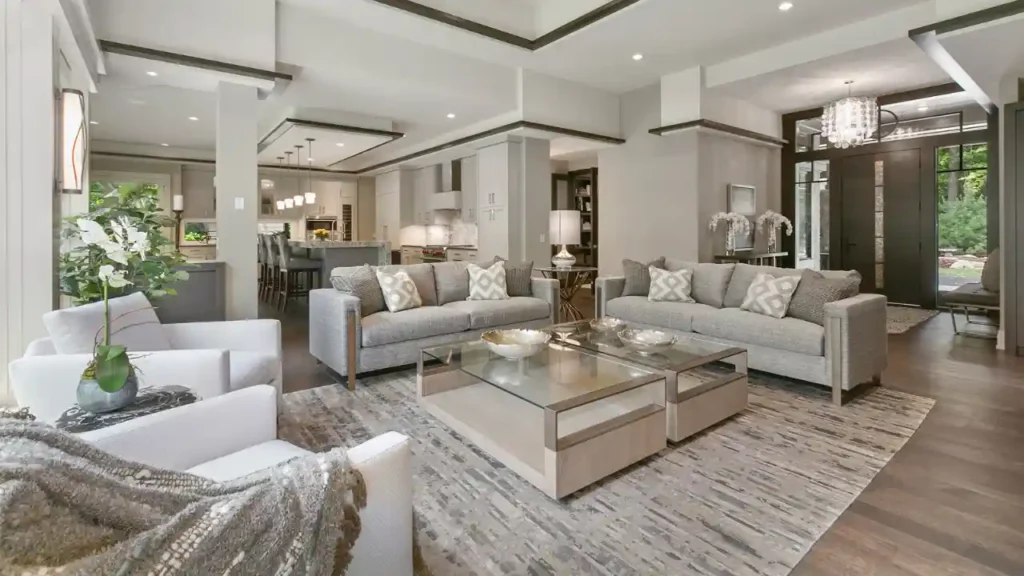
The goal is simple: create a space where modern structure and natural warmth work together.
What Is Organic Modern Furniture?
Organic modern furniture combines contemporary forms with natural materials, soft textures, warm colors, and relaxed shapes. It sits between minimalist modern design and more traditional natural or rustic interiors.
Unlike a strictly minimalist room, organic modern spaces can include plenty of texture and visual warmth. Unlike rustic interiors, however, the furniture usually has cleaner silhouettes and a more refined appearance.
Modern Shapes With Natural Materials
A key characteristic of organic modern furniture is the combination of simple forms with materials that add visual warmth.
Common choices include:
- Natural wood
- Oak
- Walnut
- Ash
- Rattan
- Cane
- Woven fibers
- Stone
- Marble
- Linen
- Wool
- Leather
- Bouclé
For example, a streamlined sofa can be paired with a solid-wood coffee table. A modern dining table can be softened with linen-upholstered chairs. A simple wood cabinet can gain character from cane doors.
The contrast is intentional.
Warmth Without Visual Clutter
Organic modern design is not about adding as many natural textures as possible. Too many competing materials can make a room feel busy.
Instead, choose a few strong elements and repeat them throughout the space.
For example:
Oak coffee table + oak console + cream upholstery + textured rug
This creates visual consistency without requiring every furniture piece to match.
Organic Modern vs. Traditional Modern Furniture
| Feature | Organic Modern | Traditional Modern |
|---|---|---|
| Materials | Natural + contemporary | Often sleek manufactured finishes |
| Colors | Warm neutrals + earthy tones | Wider modern palette |
| Shapes | Curved + clean | Often straight/angular |
| Texture | Layered | More restrained |
| Overall feel | Warm and relaxed | Crisp and structured |
Traditional modern furniture often emphasizes geometry, clean surfaces, and visual simplicity. Organic modern furniture keeps those qualities but introduces more natural texture, warmth, and softness.
Organic Modern vs. Rustic Furniture
Organic modern and rustic furniture can share materials such as wood, leather, stone, and woven fibers, but they usually differ in execution.
Rustic furniture may emphasize distressed finishes, visible imperfections, heavier silhouettes, and traditional craftsmanship cues.
Organic modern furniture generally uses cleaner lines, simpler proportions, and more contemporary forms.
If you like the warmth of rustic furniture but want a cleaner, more current interior, organic modern design can provide that middle ground.
Key Characteristics of Organic Modern Furniture
Understanding the characteristics of the style makes it easier to choose individual pieces without relying on a matching furniture set.
Natural Materials
Natural-looking materials are central to the style.
Popular options include:
- Oak
- Walnut
- Ash
- Teak
- Rattan
- Cane
- Stone
- Marble
- Linen
- Wool
- Leather
The important point is not simply choosing a “natural” material. Consider how the material fits your room, lifestyle, maintenance expectations, and existing furniture.
A highly textured material may work well as an accent, while a simpler finish may be better for a large furniture piece.
Curved and Rounded Shapes
Curves can soften a room filled with straight architectural lines.
Consider:
- Curved sofas
- Rounded coffee tables
- Oval dining tables
- Circular dining tables
- Arched cabinets
- Rounded accent chairs
- Sculptural side tables
Curves are particularly useful when you want a contemporary room to feel relaxed rather than highly formal.
Warm Neutral Colors
Organic modern furniture commonly works with warm neutrals such as:
- Cream
- Beige
- Taupe
- Greige
- Warm white
- Sand
- Camel
- Soft brown
Earthy accent colors such as terracotta, olive, sage, rust, and muted clay can add depth without overwhelming the room.
Tactile Textures
Texture helps prevent a neutral room from looking flat.
Useful options include:
- Bouclé
- Linen
- Wool
- Woven fibers
- Natural wood grain
- Stone
- Leather
- Cane
- Rattan
The strongest interiors often combine several textures while keeping the overall color palette relatively controlled.
Simple, Functional Forms
Organic modern furniture should still be useful.
A beautiful coffee table should provide enough surface area. A sofa should be comfortable for the way your household actually uses it. A storage cabinet should provide practical capacity rather than simply filling an empty wall.
This functional foundation helps prevent organic modern design from becoming purely decorative.
25 Organic Modern Furniture Ideas for 2026
1. Curved Organic Modern Sofa
A curved sofa can immediately soften the geometry of a contemporary living room.
Choose rounded arms, a gently curved back, or a softer silhouette rather than an excessively sculptural shape.
Neutral upholstery in cream, beige, taupe, or warm gray works well with natural wood.
Before buying, measure both the room and the access route. A large curved sofa can have a substantial footprint even when its shape appears visually soft.
Best for: Living rooms and large open spaces.
2. Natural Wood Coffee Table
A natural wood coffee table provides warmth against upholstered furniture.
Oak, walnut, and ash can all work depending on the desired tone.
Look for:
- Rounded edges
- Simple construction
- Visible but refined grain
- Natural or low-sheen finishes
- Proportions suited to your sofa
A live-edge-inspired table can work too, but avoid choosing an extremely rustic design if you want a refined organic modern appearance.
Best for: Living rooms.
3. Bouclé Accent Chair
Bouclé introduces a soft, tactile surface while maintaining a contemporary appearance.
A rounded bouclé chair can complement a straight sofa, while a more structured chair can balance a curved sectional.
For high-use areas, check the manufacturer’s cleaning instructions and upholstery specifications before buying.
Best for: Reading corners, living rooms, bedrooms, and home offices.
4. Organic Modern Sectional
A sectional can create a comfortable centerpiece for a larger living room.
Choose a design with clean proportions, soft upholstery, and either subtle curves or simple modular components.
A neutral sectional can then be paired with:
- Natural wood tables
- Woven rugs
- Leather accents
- Linen pillows
- Earthy accessories
Best for: Large living rooms and open-concept spaces.
5. Rounded Coffee Table
Round and oval coffee tables work especially well with organic modern seating.
They introduce contrast when placed in front of a linear sofa and can also make circulation easier in certain layouts because they eliminate sharp corners.
For a small room, a compact round table may provide a better balance between usable surface area and walking space.
Best for: Small and medium living rooms.
6. Natural Wood Side Table
A simple wood side table is one of the easiest ways to bring organic warmth into a modern interior.
Oak offers a lighter appearance, while walnut creates deeper contrast.
Pedestal-style side tables can provide a sculptural element without taking up excessive visual space.
Best for: Beside sofas, lounge chairs, and beds.
7. Cane Accent Chair
Cane furniture adds woven texture while maintaining a relatively lightweight visual appearance.
A cane-back chair can work particularly well when the room already contains upholstered furniture and needs another texture.
Pair it with solid wood, linen, or neutral upholstery rather than introducing too many additional materials.
Best for: Dining rooms, bedrooms, entryways, and living rooms.
8. Rattan Lounge Chair
Rattan adds a relaxed natural quality to an organic modern interior.
For a refined look, choose a chair with a relatively simple frame rather than an overly ornate tropical design.
A rattan chair can provide contrast against a modern sofa or upholstered bed.
Best for: Living rooms, sunrooms, bedrooms, and reading areas.
9. Organic Modern Dining Table
The dining table is an excellent place to establish the character of an organic modern dining room.
Consider:
- Solid wood construction
- Rounded edges
- Oval shapes
- Pedestal bases
- Natural finishes
- Subtle sculptural details
A large rectangular table can still work. The key is choosing a finish and silhouette that feel warm rather than overly formal.
Best for: Dining rooms and open-plan kitchens.
10. Upholstered Dining Chairs
Upholstered dining chairs add comfort and softness around a hard-surface table.
Good options include:
- Linen
- Bouclé
- Performance fabrics
- Leather
- Neutral woven upholstery
Rounded chair backs can echo curved furniture elsewhere in the room.
Before buying, consider how easy the upholstery will be to clean, especially for everyday family dining.
Best for: Dining rooms and kitchen dining areas.
11. Sculptural Console Table
A sculptural console table can become a focal point without requiring a large collection of decorative accessories.
Look for:
- Curved bases
- Pedestal forms
- Rounded edges
- Natural wood
- Stone or wood combinations
Keep the surrounding area relatively simple so the furniture can provide the visual interest.
Best for: Entryways, hallways, and living rooms.
12. Organic Modern Bed Frame
The bed is usually the largest furniture piece in a bedroom, so it has a significant effect on the overall style.
Good organic modern options include:
- Natural wood beds
- Upholstered beds
- Low-profile frames
- Rounded headboards
- Simple platform beds
A wooden frame works particularly well with linen bedding and soft neutral textiles.
Best for: Primary and guest bedrooms.
13. Wood Nightstands
Wood nightstands provide warmth and useful bedside storage.
Consider:
- Floating nightstands
- Pedestal nightstands
- Rounded nightstands
- Simple two-drawer designs
- Open-shelf options
Matching nightstands are not mandatory. Similar wood tones or complementary shapes can create a more collected appearance.
Best for: Bedrooms.
14. Natural Wood Dresser
A natural wood dresser can provide both storage and visual warmth.
Oak creates a lighter, airier appearance, while walnut can provide stronger contrast against cream or warm-white walls.
Keep the top relatively uncluttered so the wood grain remains part of the visual design.
Best for: Bedrooms and dressing areas.
15. Organic Modern Bench
A bench can serve several purposes without taking up as much visual space as a large cabinet or chair.
Use one:
- At the end of a bed
- In an entryway
- Around a dining table
- Near a living-room window
Choose upholstery, wood, or woven materials based on the room’s existing textures.
Best for: Entryways, bedrooms, dining areas, and living rooms.
16. Arched Storage Cabinet
Arched cabinet doors introduce softness into an otherwise contemporary room.
A wood or neutral-finish cabinet can provide closed storage while adding an architectural shape.
This is especially useful when you want to introduce curves without purchasing a fully curved sofa or chair.
Best for: Living rooms, dining rooms, bedrooms, and entryways.
17. Minimalist Wood TV Stand
A low-profile wood TV stand can make a living room feel calmer and more grounded.
Choose closed storage if you need to hide electronics, games, or everyday clutter.
Simple doors and warm wood can balance the technical appearance of a television.
Best for: Living rooms and media areas.
18. Stone-Top Coffee Table
Stone introduces a different texture from wood while maintaining the natural character of the organic modern style.
Consider:
- Travertine
- Marble
- Limestone-inspired finishes
- Stone and wood combinations
Stone can be visually substantial, so consider the scale of the table and the surrounding furniture.
No single stone is automatically the right choice. Selection should depend on appearance, maintenance, budget, construction, and intended use.
Best for: Living rooms and larger seating areas.
19. Leather Lounge Chair
Leather can introduce warmth and contrast to an organic modern room.
A simple leather lounge chair can pair well with:
- Linen sofas
- Oak tables
- Wool rugs
- Neutral walls
- Woven accessories
Choose a chair based on comfort as well as appearance, particularly if it will become a primary reading or relaxation seat.
Best for: Living rooms, offices, libraries, and reading corners.
20. Woven Storage Basket Furniture
Woven storage can provide practical organization while adding texture.
Use woven baskets inside open shelving, under consoles, or alongside cabinets.
For a cleaner appearance, choose a consistent woven material or color rather than combining many unrelated patterns.
Best for: Bedrooms, entryways, living rooms, and home offices.
21. Organic Modern Ottoman
An ottoman can provide extra seating, a footrest, or even an additional surface when paired with a suitable tray.
Bouclé, leather, linen, and wood-framed designs can all work.
A storage ottoman is especially useful in smaller rooms.
Best for: Living rooms, bedrooms, and compact spaces.
22. Sculptural Accent Table
A sculptural side table can introduce personality without requiring extensive decoration.
Consider simple forms such as:
- Cylinders
- Pedestals
- Rounded blocks
- Organic curves
- Asymmetrical silhouettes
Use one statement table rather than filling the room with several competing sculptural objects.
Best for: Living rooms, bedrooms, and entryways.
23. Natural Wood Bookshelf
A natural wood bookshelf combines storage with warmth.
Open shelving can display books, ceramics, plants, and a few personal objects, but leave some empty space between groupings.
Too many objects can make an organic modern room lose its calm appearance.
Best for: Living rooms, offices, bedrooms, and libraries.
24. Organic Modern Modular Furniture
Modular furniture allows layouts to change as your needs change.
Modular sofas, storage units, and shelving can be useful in homes where rooms serve multiple purposes.
Look for pieces that can be rearranged without compromising comfort or stability.
Best for: Flexible living rooms, apartments, and growing households.
25. Neutral Organic Modern Furniture Set
A coordinated group of neutral furniture can establish an organic modern foundation quickly.
Instead of purchasing an identical matching set, look for pieces that share:
- Similar undertones
- Complementary shapes
- Related materials
- Consistent proportions
A cream sofa, oak table, taupe chair, and woven rug can feel cohesive without being perfectly matched.
Best for: Whole-room makeovers.
Organic Modern Furniture Ideas by Room
Organic Modern Living Room
The living room is one of the easiest spaces to introduce this style.
A balanced combination might include:
- Curved sofa
- Natural wood coffee table
- Two accent chairs
- Natural-texture rug
- Wood side table
- Minimal storage cabinet
Pay attention to circulation. Leave enough space between seating, tables, doorways, and major walkways.
A beautiful layout that is difficult to walk through will not feel comfortable in everyday use.
Organic Modern Bedroom
Start with the bed because it establishes the largest visual element.
Consider:
- Natural wood bed
- Upholstered headboard
- Wood nightstands
- Natural dresser
- Bedroom bench
- Linen bedding
- Soft neutral textiles
Keep the furniture relatively simple and let texture provide the visual interest.
Organic Modern Dining Room
A natural wood dining table can become the foundation.
Pair it with:
- Upholstered dining chairs
- Cane chairs
- A simple sideboard
- Warm pendant lighting
- A restrained centerpiece
Mixing a wood table with upholstered seating can create a useful balance between hard and soft surfaces.
Organic Modern Entryway
An entryway does not need many pieces.
Consider:
- Wood console
- Storage bench
- Round mirror
- Small cabinet
- Woven storage
Use closed storage for items that create visual clutter, while leaving enough open space to keep the entryway functional.
Organic Modern Home Office
A home office can combine natural materials with practical ergonomics.
Consider:
- Natural wood desk
- Ergonomic office chair
- Minimal shelving
- Wood storage cabinet
- Soft neutral accessories
Do not sacrifice proper desk height or chair support simply to achieve a particular aesthetic.
Best Materials for Organic Modern Furniture
Material selection affects appearance, maintenance, durability, and cost.
| Material | Visual Character | Best Furniture Uses | Maintenance |
|---|---|---|---|
| Oak | Warm and versatile | Tables, beds, cabinets | Low–Moderate |
| Walnut | Rich and sophisticated | Tables, cabinets, desks | Low–Moderate |
| Ash | Light and understated | Tables, shelving, cabinets | Low–Moderate |
| Rattan | Natural and relaxed | Chairs, cabinets | Moderate |
| Cane | Light and textured | Chairs, cabinet doors | Moderate |
| Stone | Solid and refined | Tables, tops | Moderate |
| Linen | Soft and natural | Sofas, chairs, beds | Moderate |
| Bouclé | Soft and tactile | Chairs, sofas | Moderate–High |
| Leather | Warm and durable-looking | Chairs, sofas | Moderate |
These maintenance levels are general design guidance rather than universal ratings. Actual performance depends on construction, finish, upholstery, household use, climate, and manufacturer care instructions.
Best Wood Tones for Organic Modern Furniture
Light Oak
Light oak works well when you want an airy, approachable interior.
It can complement:
- Cream walls
- Warm white
- Beige upholstery
- Natural rugs
- Light-colored textiles
It is especially useful in smaller rooms where darker furniture might feel visually heavier.
Medium Natural Wood
Medium wood tones offer a balanced appearance.
They can add warmth without dominating a neutral room and work particularly well when paired with cream, taupe, sand, or soft brown upholstery.
Walnut
Walnut brings deeper visual contrast.
It can work beautifully against:
- Cream
- Beige
- Warm white
- Soft gray
- Muted green
Walnut is particularly useful when an organic modern interior feels too pale and needs a stronger anchor.
Mixed Wood Tones
You can mix wood tones successfully without making the room look mismatched.
Try these guidelines:
- Repeat each major wood tone more than once.
- Keep undertones reasonably compatible.
- Avoid introducing many unrelated finishes.
- Use rugs and textiles to visually connect different pieces.
- Let one wood tone remain dominant.
Organic Modern Furniture Color Ideas
Warm Neutrals
Start with:
- Cream
- Beige
- Taupe
- Greige
- Warm white
These colors create an adaptable foundation.
Earthy Colors
For more character, introduce:
- Terracotta
- Clay
- Olive
- Sage
- Rust
- Caramel
These shades can appear through an accent chair, cushions, rug, or smaller furniture piece.
Dark Contrast
Dark colors can add definition:
- Charcoal
- Espresso
- Deep brown
- Black
Instead of using dark furniture everywhere, consider one or two darker pieces against a warmer neutral background.
Organic Modern Furniture Ideas for Small Spaces
Organic modern furniture can work particularly well in apartments and compact rooms because the style does not require large amounts of decoration.
Useful choices include:
- Compact curved sofa
- Round coffee table
- Nesting tables
- Storage ottoman
- Slim console
- Wall-mounted shelving
- Multifunctional bench
- Extendable dining table
The most important consideration is scale.
A small room does not necessarily need tiny furniture. It needs furniture that fits the room while leaving usable circulation space.
A compact but comfortable sofa may work better than several small chairs that make the room feel fragmented.
Organic Modern Furniture for Open-Concept Homes
Open-concept rooms benefit from furniture that creates visual zones without completely blocking the space.
Living + Dining
Use:
- Area rugs
- Sofa positioning
- Dining table orientation
- Consistent wood tones
- Related upholstery colors
For example, an oak dining table and oak living-room side table can visually connect the two areas.
Living + Kitchen
Use the sofa and coffee table to establish the conversation zone.
Keep major walkways open between the kitchen, living room, and other parts of the home.
Multi-Zone Spaces
Repeated materials and colors can make multiple zones feel connected.
You do not need identical furniture throughout the room. Instead, repeat a few design elements such as wood tone, upholstery color, or metal finish.
Organic Modern Furniture Ideas for a Minimalist Home
Organic modern and minimalism can work together naturally.
The combination focuses on:
- Fewer furniture pieces
- Functional storage
- Natural textures
- Negative space
- Simple silhouettes
- Warm materials
The difference is that organic modern usually allows more texture and visual warmth than extremely minimal interiors.
A simple room with an oak cabinet, cream sofa, textured rug, and one sculptural table can feel complete without requiring a large collection of decorative objects.
Organic Modern vs. Japandi vs. Scandinavian Furniture
These styles overlap, but they are not interchangeable.
| Style | Main Feel | Common Materials | Furniture Shapes |
|---|---|---|---|
| Organic Modern | Warm + contemporary | Wood, stone, linen | Curved + clean |
| Japandi | Calm + restrained | Wood, bamboo, natural fibers | Simple + low-profile |
| Scandinavian | Light + functional | Wood, fabric, leather | Simple + practical |
| Modern Rustic | Warm + rugged | Wood, leather, stone | Substantial + relaxed |
Organic modern design is often more flexible about curves, textures, earthy colors, and sculptural furniture.
Japandi tends to emphasize restraint and simplicity, while Scandinavian interiors often emphasize lightness, function, and practical forms.
Modern rustic interiors can be heavier and more visibly rugged.
Organic Modern Furniture on a Budget
You do not need to replace every piece of furniture to create an organic modern interior.
Try these approaches:
Invest in the Main Furniture Piece
Put more of your budget toward the sofa, dining table, or bed if it is a piece you expect to use for years.
Choose One Statement Piece
A beautiful wood coffee table or sculptural chair can have more impact than several inexpensive decorative pieces.
Mix Wood With More Affordable Materials
Natural-looking wood furniture can be combined with affordable neutral upholstery, simple metal frames, or woven accessories.
Consider Secondhand Solid-Wood Furniture
Used furniture can provide character and potentially reduce replacement costs. Inspect construction, damage, odors, hardware, and refinishing requirements before purchasing.
Refinish Suitable Furniture
A suitable secondhand wood piece may become more compatible with your interior after careful refinishing.
Choose Multifunctional Pieces
Storage ottomans, benches with storage, extendable dining tables, and modular furniture can provide more functionality from fewer purchases.
Avoid Buying a Complete Matching Set
A room often feels more natural when furniture pieces coordinate without being identical.
How to Make Modern Furniture Feel More Organic
A simple styling formula is:
Modern Base + Natural Wood + Soft Texture + Earthy Color + Organic Shape + Greenery = Organic Modern Look
For example:
Modern sofa + oak coffee table + linen pillows + wool rug
Or:
Minimal bed + wood nightstands + linen bedding + woven accent
Or:
Modern dining table + upholstered chairs + natural pendant
The idea is not to transform every furniture piece. Instead, add natural and tactile elements around a clean modern foundation.
How to Mix Organic Modern Furniture Without Creating Clutter
The style works best when materials and colors are repeated intentionally.
Repeat Materials
If you use oak furniture, consider repeating oak or a closely related wood tone elsewhere.
Repeat Colors
A cream sofa can be connected to cream dining chairs, a warm rug, or neutral curtains.
Limit Competing Textures
Wood, linen, wool, and woven materials can work together. Adding many more textures may create unnecessary visual noise.
Balance Curved and Straight Shapes
A curved sofa does not require a curved coffee table, curved chairs, and curved cabinets.
Straight and curved forms can create useful contrast.
Leave Negative Space
Not every surface needs furniture or decoration.
Choose Furniture Based on Function
If a piece does not solve a real need, consider whether it belongs in the room.
Avoid Too Many Statement Pieces
Several sculptural furniture pieces competing for attention can make the room feel chaotic.
Keep Visual Weight Balanced
A large sectional may need substantial furniture nearby, while a delicate chair may pair better with lighter tables and accessories.
A Simple Rule
Let one or two furniture pieces become focal points while the rest support the overall composition.
How to Choose Comfortable Organic Modern Furniture
Good design should still support everyday life.
Before buying furniture, consider:
Seat Depth
A deeper sofa may be comfortable for lounging, but it may not work as well for everyone or every room.
Seat Height
Consider the height of the people using the furniture and how easily they can sit down and stand up.
Back Support
A beautiful low-back sofa may look sophisticated but may not provide the support you need for long periods of sitting.
Cushion Firmness
Soft, medium, and firm cushions provide different experiences. If possible, test furniture before purchasing.
Arm Height
Arm height affects both comfort and the overall visual proportion of a sofa or chair.
Table Height
Coffee tables and side tables should work comfortably with the surrounding seating.
Legroom
Dining furniture needs enough space for comfortable seating and movement.
Walking Clearance
Leave practical space around furniture for everyday movement.
Upholstery Feel
Texture matters, but so does how the fabric feels against skin and how easy it is to clean.
Sustainable Organic Modern Furniture Ideas
Natural-looking furniture is not automatically sustainable.
A more responsible approach considers the entire product lifecycle, including sourcing, manufacturing, durability, transportation, repairability, and eventual disposal.
Consider:
- FSC-certified wood where relevant
- Reclaimed wood
- Durable construction
- Repairable furniture
- Secondhand furniture
- Long-lasting designs
- Replaceable components
- Responsible material sourcing
- Avoiding unnecessary furniture replacement
A well-made piece that remains useful for many years may be a more practical choice than repeatedly replacing inexpensive furniture.
When sustainability matters to you, check the manufacturer’s specific sourcing and material information rather than relying only on words such as “natural,” “eco,” or “green.”
Organic Modern Furniture Comparison
Use this table as a quick starting point when deciding which furniture category fits your room.
| Furniture Type | Best For | Space Needed | Organic Impact | Maintenance |
|---|---|---|---|---|
| Curved Sofa | Living Rooms | Medium–Large | High | Moderate |
| Wood Coffee Table | Living Rooms | Small–Medium | High | Low–Moderate |
| Accent Chair | Extra Seating | Small–Medium | High | Moderate |
| Dining Table | Dining Areas | Medium–Large | High | Low–Moderate |
| Wood Bed | Bedrooms | Medium–Large | High | Low |
| Console Table | Entryways | Small–Medium | Medium | Low |
| Storage Cabinet | Organization | Medium | Medium–High | Low–Moderate |
| Ottoman | Flexible Use | Small | Medium | Moderate |
| Side Table | Small Spaces | Small | Medium | Low |
| Bench | Entry/Dining/Bedroom | Small–Medium | High | Low–Moderate |
Maintenance varies considerably according to the material, finish, upholstery, construction, household use, and manufacturer instructions.
Common Organic Modern Furniture Mistakes to Avoid
Mistake 1: Making Everything Beige
A room can become flat when every surface has almost the same neutral tone.
Use contrast through wood, darker accents, earthy colors, or different textures.
Mistake 2: Using Too Many Wood Finishes
Multiple wood tones can work, but too many unrelated finishes may make the room feel disjointed.
Mistake 3: Choosing Style Over Comfort
A beautiful chair is not a successful furniture choice if nobody wants to sit in it.
Mistake 4: Overusing Curves
Curves are useful, but every piece does not need to be rounded.
Mix curved and straight furniture for balance.
Mistake 5: Making the Room Too Rustic
Distressed wood, heavy leather, and rugged accessories can push the room toward rustic design.
Keep some contemporary structure through clean silhouettes and restrained finishes.
Mistake 6: Buying Furniture That Is Too Large
This is particularly important in apartments and compact rooms.
Measure the furniture footprint as well as doorways, hallways, elevators, and stairways when necessary.
Mistake 7: Ignoring Storage
An organic modern room can quickly lose its calm appearance when everyday objects have nowhere to go.
Choose cabinets, consoles, benches, or ottomans that provide practical storage where needed.
Mistake 8: Using Too Many Textures
Texture should create depth, not competition.
Choose several complementary textures rather than adding every material you like.
Mistake 9: Choosing Materials Without Considering Maintenance
A material may look beautiful but require more care than you want to provide.
Always review cleaning and care requirements before buying.
Mistake 10: Buying a Complete Matching Set
Matching furniture can be convenient, but mixing complementary pieces often creates a more collected and personal appearance.
Organic Modern Furniture Shopping Checklist
Before purchasing a new furniture piece, check:
- Room measurements
- Doorway measurements
- Furniture dimensions
- Seating capacity
- Primary purpose
- Material
- Construction
- Wood finish
- Upholstery
- Cushion firmness
- Maintenance requirements
- Cleaning instructions
- Storage requirements
- Existing furniture
- Color palette
- Visual weight
- Budget
- Delivery access
- Return policy
- Warranty
- Manufacturer care instructions
Also consider how the furniture will look from different viewpoints, not just from the angle shown in a product photograph.
Frequently Asked Questions About Organic Modern Furniture
What is organic modern furniture?
Organic modern furniture combines contemporary silhouettes with natural materials, warm colors, organic textures, and comfortable proportions. It typically balances clean modern forms with elements such as wood, stone, linen, leather, rattan, cane, and woven materials.
What furniture works best for an organic modern living room?
A curved or clean-lined sofa, natural wood coffee table, textured accent chair, simple side table, natural rug, and practical storage furniture can create a strong foundation. The specific pieces should be selected according to room size, comfort needs, and existing furniture.
What colors are best for organic modern furniture?
Warm neutrals such as cream, beige, taupe, greige, and warm white are common starting points. Earthy shades such as terracotta, olive, sage, rust, caramel, and soft brown can add contrast and personality.
There is no single required organic modern color palette.
What wood is best for organic modern furniture?
Oak, walnut, ash, and other suitable woods can all work. The best choice depends on the desired color, grain, finish, budget, intended use, and maintenance requirements.
Light oak can create an airy appearance, while walnut provides deeper contrast.
Is organic modern furniture the same as Japandi?
No. The styles overlap, particularly in their use of natural materials and simple forms, but they have different visual characteristics.
Organic modern interiors generally allow more curves, textures, earthy colors, and sculptural forms. Japandi tends to emphasize restraint, simplicity, and low-profile furniture.
How do I make my furniture look more organic?
Combine clean modern furniture with natural materials, warm wood, soft upholstery, woven textures, earthy colors, and a few organic shapes.
For example, pairing a modern sofa with an oak coffee table, linen cushions, a wool rug, and a simple plant can immediately introduce more natural warmth.
Can organic modern furniture work in a small apartment?
Yes. Choose furniture based on scale and function.
Compact sofas, round tables, nesting tables, storage ottomans, slim consoles, wall-mounted shelves, and multifunctional benches can work particularly well in smaller rooms.
The goal is not simply to use fewer pieces. It is to choose pieces that fit comfortably while preserving circulation.
Can I mix modern and rustic furniture?
Yes, but use the proportions and finishes carefully.
A contemporary sofa can work with a natural wood table, for example. To keep the room organic modern rather than strongly rustic, balance rugged materials with cleaner silhouettes and refined textiles.
Is organic modern furniture expensive?
It can range from relatively affordable to high-end.
Price depends on factors such as material, construction, craftsmanship, brand, size, upholstery, and finish. The organic modern style itself does not require a particular price point.
How can I create an organic modern home on a budget?
Start with the furniture pieces that have the biggest visual impact, such as a sofa, dining table, or bed.
Then introduce warmth through secondhand wood furniture, neutral textiles, woven storage, natural-looking accessories, and one or two carefully selected statement pieces.
You do not need to replace everything at once.
Final Thoughts
The most successful organic modern interiors are not built around a single furniture trend. They come from balancing several complementary elements.
Think:
- Modern simplicity
- Natural materials
- Warm colors
- Soft textures
- Comfortable proportions
- Organic shapes
- Practical functionality
A curved sofa can soften a contemporary living room. A natural wood table can add warmth to a neutral palette. Linen and bouclé can introduce tactile softness, while stone and darker wood can provide contrast.
Most importantly, you do not need every furniture piece to look organic.
A strong organic modern home usually combines modern structure with carefully selected natural elements. Choose furniture according to how you live, how much space you have, the maintenance you are comfortable with, and the atmosphere you want to create.
The result should feel warm, contemporary, comfortable, and intentionally collected—not overly rustic, overly minimalist, or cluttered.
