
Introduction: Why Small Bedroom Storage Furniture Matters
A small bedroom can become cluttered surprisingly quickly.
A dresser that is slightly too deep can interfere with the walking path. A large nightstand can make the area around the bed feel cramped. A wardrobe may technically fit against a wall but leave too little room for its doors to open comfortably.
The solution is not always to buy less furniture. It is to choose better-proportioned furniture that uses available space efficiently.
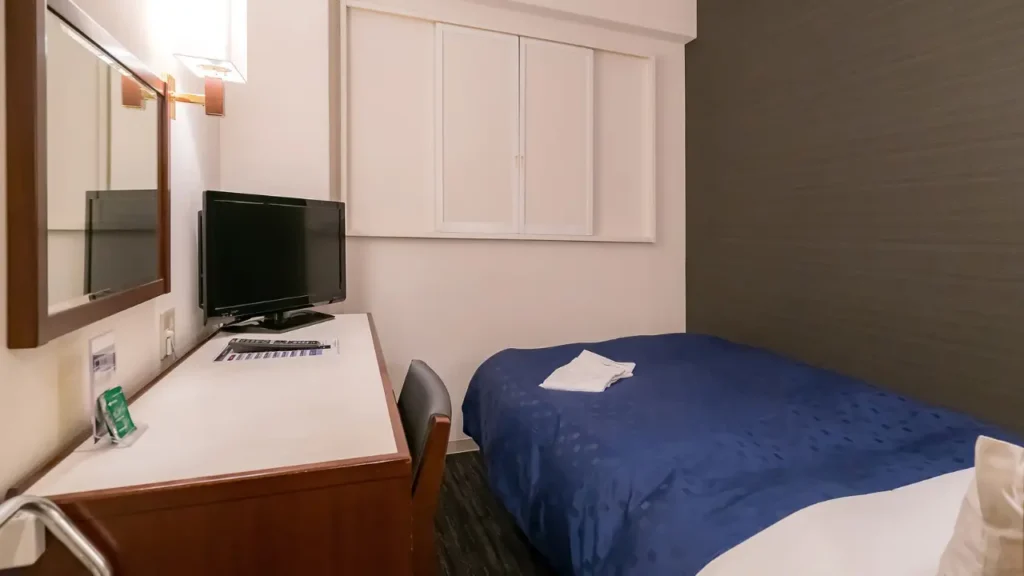
That means looking beyond width and considering depth, height, storage capacity, access, and circulation.
In many small bedrooms, the most useful storage opportunities come from three places:
- Upward: tall dressers, wardrobes, shelving, and cabinets
- Underneath: storage beds, drawers, boxes, and bins
- Inside multifunctional furniture: benches, ottomans, nightstands, and desks with integrated storage
The best small bedroom storage furniture is therefore not necessarily the smallest piece. It is the piece that gives you useful storage while leaving enough room to move, sleep, dress, and live comfortably.
What Is Small Bedroom Storage Furniture?
Small bedroom storage furniture refers to storage-focused pieces selected or designed to work efficiently in bedrooms with limited floor space.
Common examples include:
- Storage beds
- Narrow dressers
- Tall chests of drawers
- Compact nightstands
- Small wardrobes
- Storage benches
- Floating shelves
- Wall-mounted cabinets
- Under-bed storage
- Multifunctional furniture
The goal is to make storage fit the room rather than forcing the room to accommodate oversized furniture.
What Makes Storage Furniture Suitable for a Small Bedroom?
Look for several characteristics rather than one magic dimension.
Compact footprint: The furniture should occupy an appropriate amount of floor space.
Useful capacity: A small cabinet is not helpful if it cannot hold what you actually need.
Vertical storage: Taller furniture can increase storage without requiring a wider footprint.
Appropriate depth: Depth can have a major effect on circulation in a tight room.
Easy access: Drawers and doors need enough clearance to open fully.
Multifunctionality: A bed, bench, or nightstand may be able to perform more than one job.
Proportional scale: Furniture should visually and physically suit the room.
Small Furniture vs. Space-Efficient Furniture
These terms are not always interchangeable.
Imagine two dressers. One is very short and compact but offers limited storage. The other is somewhat taller, uses vertical space, and provides considerably more drawer capacity without taking much more floor area.
The second piece may be more useful even though it is not technically the smallest.
That distinction is important when planning a small-space bedroom.
Best Types of Small Bedroom Storage Furniture
Different storage problems call for different furniture.
Storage Bed
The bed usually occupies more floor space than any other bedroom furniture piece, making it an obvious opportunity for hidden storage.
Popular configurations include:
- Drawers underneath
- Lift-up storage
- Platform beds with storage compartments
- Ottoman-style storage bases
- Storage headboards
A drawer-based bed can work well when you have sufficient clearance beside the bed. A lift-up design can be useful when side clearance is limited, but you should consider how easily you can access the entire storage area.
Narrow Dresser
A narrow dresser can be useful when a bedroom has a limited wall width or a tight walking path.
Instead of choosing the widest dresser possible, consider the relationship between:
- Width
- Depth
- Height
- Number of drawers
- Drawer size
- Available wall space
A narrower, taller dresser can sometimes provide more practical capacity than a wide but shallow piece.
Tall Chest of Drawers
A tall chest uses vertical space instead of spreading storage across the floor.
This can be particularly useful in:
- Small bedrooms
- Apartment bedrooms
- Narrow rooms
- Rooms with limited wall width
However, tall furniture should still be proportionate to the ceiling height and installed or anchored according to the manufacturer’s safety instructions where required.
Compact Nightstand
A nightstand does not need to be large to be useful.
Consider:
- Slim nightstands
- One-drawer nightstands
- Shelf-style designs
- Floating nightstands
- Small cabinets with doors
A floating nightstand can leave more visible floor beneath it, which may make the area around the bed feel more open.
Small Wardrobe
A compact wardrobe can supplement limited closet space.
Useful configurations include:
- Narrow wardrobes
- Tall wardrobes
- Sliding-door wardrobes
- Open wardrobes
- Wardrobes with drawers
- Modular clothing storage
Choose based on the type of clothing you need to store rather than simply buying the largest wardrobe that fits.
Storage Bench
A storage bench can serve two purposes: seating and storage.
Possible locations include:
- At the foot of the bed
- Under a window
- Against an unused wall
An ottoman-style storage bench can provide a convenient place for bedding, blankets, accessories, or other items that do not need to be accessed constantly.
Shelving
Shelving is one of the easiest ways to use wall height.
Options include:
- Floating shelves
- Tall shelving units
- Corner shelves
- Over-bed shelving
- Wall-mounted cabinets
Open shelves are convenient for frequently used items, while closed cabinets can help keep visual clutter under control.
How to Choose Storage Furniture for a Small Bedroom
Buying furniture before measuring the room is one of the easiest ways to create a layout problem.
Measure the Room First
Record:
- Room length
- Room width
- Ceiling height
- Door location
- Door swing
- Closet doors
- Windows
- Radiators
- Heating or cooling vents
- Existing furniture
Don’t forget features that cannot be moved.
Measure the Available Wall
A wall may look empty but still have limited usable space because of:
- Windows
- Trim
- Electrical outlets
- Doors
- Heating equipment
- Furniture already occupying part of the wall
Measure the exact area where the storage piece will sit.
Check Furniture Depth
Depth can be more important than width in a narrow bedroom.
A dresser may fit comfortably across a wall but extend far enough into the room to interfere with walking.
Before buying, measure the furniture’s full depth, including anything that protrudes beyond the main frame.
Plan Walking Clearance
Think about the routes you use every day.
You should be able to move between:
- Bed
- Door
- Closet
- Dresser
- Bathroom entrance
- Windows
A piece of furniture that technically fits but makes everyday movement awkward is not a good space-saving solution.
Consider How You Actually Store Things
Make a simple inventory.
Do you need storage for:
- Folded clothing?
- Hanging clothing?
- Shoes?
- Bedding?
- Books?
- Jewelry?
- Electronics?
- Seasonal clothing?
- Everyday accessories?
Once you know what needs to be stored, it becomes easier to choose between drawers, shelves, cabinets, wardrobes, and under-bed storage.
Small Bedroom Storage Ideas That Save Floor Space
Use Vertical Storage
When floor space is limited, look upward.
Useful options include:
- Tall dressers
- Tall wardrobes
- Storage towers
- Bookcases
- Floor-to-ceiling cabinets
- Vertical shelving
Vertical furniture can increase storage capacity without expanding the footprint as much as a wide piece.
Use Under-Bed Space
The area underneath the bed is often underused.
Depending on the bed design, you can use:
- Built-in drawers
- Rolling storage bins
- Storage boxes
- Lift-up storage
- Vacuum storage bags for suitable items
Keep frequently needed belongings somewhere easier to access. Under-bed storage works particularly well for seasonal or occasional-use items.
Use Wall Space
Walls can provide storage without consuming additional floor area.
Consider:
- Floating shelves
- Wall-mounted cabinets
- Narrow shelving
- Floating nightstands
- Pegboards where appropriate
Wall-mounted furniture should be installed according to the manufacturer’s instructions and the requirements of the wall construction.
Use Corners
Corners are often difficult to furnish but can still provide storage opportunities.
Consider:
- Corner shelves
- Narrow corner cabinets
- Corner wardrobes
- Tall storage towers
Use the Back of the Door
The back of a bedroom door can sometimes provide additional storage for lightweight items.
Examples include:
- Over-door organizers
- Shoe organizers
- Hanging accessory storage
Check door clearance and the organizer’s weight limitations before adding anything that could interfere with the door’s operation.
Best Storage Furniture for Different Small Bedroom Layouts
The right furniture depends heavily on the shape of the room.
Small Square Bedroom
A square room offers relatively balanced dimensions, but oversized furniture can quickly consume the available floor space.
A practical approach is to place the bed first, establish the main walking paths, and then add vertical storage along suitable walls.
Narrow Bedroom
A narrow bedroom benefits from shallow and carefully positioned furniture.
Consider:
- Slim dressers
- Floating nightstands
- Shallow shelving
- Tall storage
- Storage underneath the bed
Avoid deep furniture that projects significantly into the main walking path.
Long and Narrow Bedroom
A long room can benefit from zoning.
For example, the sleeping area can occupy one end while storage is concentrated along a longer wall.
Try to maintain a clear central route rather than filling the entire length of the room with furniture.
Bedroom With Limited Closet Space
When the built-in closet is small, prioritize storage that handles clothing efficiently.
Useful combinations include:
- Tall wardrobe
- Dresser
- Storage bed
- Under-bed containers
Bedroom With Large Windows
Avoid placing tall furniture where it blocks natural light unless the layout requires it.
Lower storage or furniture placed on solid wall sections can preserve more of the room’s openness.
Bedroom With Awkward Corners
Awkward corners can sometimes accommodate:
- Narrow cabinets
- Corner shelving
- Tall storage towers
- Custom-sized furniture
The key is to measure the irregular space rather than assuming standard furniture will fit.
Small Bedroom Storage Furniture for Apartments
Apartment bedrooms often require furniture that provides storage without permanently changing the room.
Useful options include:
- Compact wardrobes
- Storage beds
- Narrow dressers
- Floating shelves where permitted
- Freestanding cabinets
- Multifunctional furniture
Renter-Friendly Storage
Renters may prefer furniture that can move with them.
Freestanding wardrobes, dressers, storage benches, and bookcases can provide significant capacity without requiring permanent construction.
For wall-mounted options, always check lease restrictions and installation requirements.
Studio Apartment Bedroom Storage
In a studio, bedroom storage may also help separate the sleeping area from the rest of the living space.
For example, a tall open shelving unit can sometimes create visual separation while providing storage.
A wardrobe can also function as a partial divider when the room layout allows it.
Multifunctional Small Bedroom Furniture
Multifunctional furniture is valuable because one piece can solve several problems.
Bed With Drawers
Provides sleeping space and clothing or bedding storage in one footprint.
Storage Ottoman
Useful as seating, a footrest, and hidden storage.
Storage Bench
Can provide seating at the foot of the bed while holding blankets or accessories.
Nightstand With Drawers
Provides a surface for a lamp and personal items while keeping smaller belongings contained.
Desk + Storage Combination
Useful in bedrooms that also function as study or work areas.
Wardrobe + Drawer Combination
Combines hanging storage and folded-clothing storage in one unit.
Mirror + Jewelry Storage
A mirror cabinet can combine everyday grooming with concealed organization.
The goal is not to make every item multifunctional. It is to reduce unnecessary furniture where one well-designed piece can realistically perform multiple jobs.
Best Small Bedroom Dresser Ideas
Narrow Tall Dresser
Best for: Tight rooms and limited wall width.
Main advantage: Makes strong use of vertical space.
Watch out for: Visual height and stability.
Wide Low Dresser
Best for: Long walls with enough horizontal space.
Main advantage: Provides a broad storage surface.
Watch out for: Larger floor and wall footprint.
Six-Drawer Dresser
Best for: Larger clothing collections.
Main advantage: More organized drawer capacity.
Watch out for: Overall width and depth.
Small Three-Drawer Dresser
Best for: Minimal storage needs or very compact bedrooms.
Main advantage: Smaller footprint.
Watch out for: Limited capacity.
Dresser With Mirror
Best for: Bedrooms where a separate mirror would take additional space.
Main advantage: Combines two functions.
Watch out for: Greater visual presence.
Minimalist Dresser
Best for: Clean, uncluttered bedrooms.
Main advantage: Simple visual profile.
Watch out for: Make sure appearance does not come at the expense of useful storage.
| Dresser Type | Best For | Main Advantage | Watch Out For |
|---|---|---|---|
| Tall narrow dresser | Tight rooms | Uses vertical space | Can feel visually tall |
| Wide low dresser | Long walls | Broad storage surface | Uses more wall width |
| Small 3-drawer dresser | Minimal storage needs | Compact footprint | Limited capacity |
| Large drawer dresser | More clothing | Higher capacity | Requires more floor space |
| Dresser with mirror | Multi-purpose use | Combines functions | Can increase visual bulk |
Storage Beds for Small Bedrooms
A storage bed can be one of the most effective ways to add capacity without adding another large furniture piece.
Bed With Drawers
Best when you have enough side clearance to open the drawers.
Before buying, check the drawer direction and make sure nearby furniture will not block them.
Lift-Up Storage Bed
A lift-up mechanism can provide access to a large storage compartment beneath the mattress.
Consider how much clearance you have above the bed and how frequently you will need to access the storage.
Platform Bed With Under-Bed Storage
A platform design may combine a simple silhouette with drawers or compartments beneath the mattress.
Ottoman-Style Storage Bed
The mattress platform lifts to reveal storage underneath.
This can be useful when side drawers are impractical, but the lifting mechanism should be easy enough for the intended user to operate.
Headboard With Storage
A storage headboard can provide space for:
- Books
- Small electronics
- Accessories
- Decorative items
It can reduce the need for a large nightstand, depending on the design.
Storage Bed Trade-Offs
Before buying, consider:
- Drawer clearance
- Mattress access
- Opening mechanism
- Storage accessibility
- Bed height
- Room layout
- Cleaning access
The largest storage compartment is not always the most useful if accessing it is inconvenient.
Small Bedroom Nightstand Ideas
Floating Nightstand
A floating nightstand attaches to the wall and leaves the floor beneath visually open.
It can work especially well beside beds in narrow rooms.
Narrow Nightstand
A slim nightstand can provide a place for a lamp, phone, book, or other essentials without consuming much floor width.
One-Drawer Nightstand
Useful when you need some concealed storage but do not have room for a larger cabinet.
Shelf-Style Nightstand
An open shelf can be visually lightweight and easy to access.
Nightstand With Charging Storage
Some designs incorporate cable openings or dedicated spaces for electronics.
These features can be useful, but the actual charging setup should still be planned around safe cable routing and available outlets.
And remember: two nightstands are not mandatory.
In a very small bedroom, one strategically placed nightstand may be more practical than squeezing one onto each side of the bed.
Small Wardrobe and Closet Storage Furniture
When built-in closet space is limited, a compact wardrobe can add valuable hanging and folded storage.
Options include:
- Narrow wardrobes
- Tall wardrobes
- Sliding-door wardrobes
- Open wardrobes
- Wardrobes with drawers
- Modular clothing storage
How Deep Should a Small Wardrobe Be?
There is no single depth that works for every wardrobe or bedroom.
Consider:
- The type of clothing being stored
- Hanging requirements
- Door or drawer operation
- Available room depth
- Walking clearance
- Whether the wardrobe uses hinged or sliding doors
The furniture should provide enough internal capacity while still allowing the surrounding room to function comfortably.
Open Wardrobe vs. Closed Wardrobe
| Feature | Open Wardrobe | Closed Wardrobe |
|---|---|---|
| Accessibility | Very easy | Easy to moderate |
| Visual appearance | More exposed | More concealed |
| Dust protection | Lower | Generally higher |
| Organization | Must stay visually tidy | Easier to hide clutter |
| Door clearance | None | Depends on design |
| Small-room feel | Can feel open | Can look more substantial |
An open wardrobe may feel visually lighter, while a closed wardrobe can create a cleaner appearance when clothing is not perfectly organized.
Vertical Storage Furniture for Small Bedrooms
Vertical storage makes use of height rather than continually expanding across the floor.
Examples include:
- Tall dressers
- Bookcases
- Storage towers
- Tall wardrobes
- Floor-to-ceiling cabinets
When Vertical Storage Works Best
Vertical furniture can be especially useful when:
- Wall width is limited
- Ceiling height allows it
- Floor space is restricted
- You have significant storage needs
When to Avoid Oversized Tall Furniture
A tall piece may not be appropriate when it:
- Blocks a window
- Interferes with a door
- Looks disproportionate
- Creates a stability concern
- Makes a low-ceiling room feel visually crowded
Always follow manufacturer guidance for securing tall furniture.
Small Bedroom Shelving Ideas
Floating Shelves
Floating shelves are useful for books, small decor, plants, and everyday items.
They can also be positioned above furniture without taking additional floor space.
Corner Shelves
Corner shelving can turn an otherwise awkward area into useful storage.
Over-Bed Shelving
The wall above the bed can sometimes provide valuable vertical storage.
Keep frequently handled heavy objects in locations that are practical and secure, and follow appropriate installation requirements.
Tall Freestanding Shelving
A narrow shelving unit can provide substantial vertical capacity.
Wall-Mounted Cabinets
Closed wall cabinets are useful when you want to hide clutter rather than display it.
For any wall-mounted piece, use suitable hardware and follow the manufacturer’s installation instructions for the wall type.
Small Bedroom Storage Furniture by Storage Need
Choosing furniture based on what you actually need to store is often more effective than choosing based on appearance.
Clothing Storage
Useful options include:
- Dresser
- Wardrobe
- Chest of drawers
- Storage bed
Bedding Storage
Consider:
- Storage bed
- Ottoman bench
- Under-bed containers
Shoe Storage
Options include:
- Narrow shoe cabinet
- Under-bed storage
- Door organizer
Books and Decor
Consider:
- Floating shelves
- Tall bookcase
- Narrow shelving
Accessories and Jewelry
Useful options include:
- Small drawer organizers
- Jewelry cabinets
- Mirrors with hidden storage
The goal is to match the storage mechanism to the object. Hanging clothes need different storage from folded clothes, and everyday accessories need easier access than seasonal bedding.
Small Bedroom Storage Furniture Styles
Space-saving furniture does not have to look utilitarian.
Modern
Choose clean lines, simple hardware, and streamlined proportions.
Minimalist
Prioritize closed storage, fewer furniture pieces, and uncluttered surfaces.
Scandinavian
Light finishes, simple forms, and practical storage work well in compact bedrooms.
Japandi
Combine warm wood tones, restrained shapes, and concealed organization.
Mid-Century Modern
Look for tapered legs, clean silhouettes, and compact furniture proportions.
Traditional
Traditional furniture can work in a small bedroom when its proportions are appropriate. Avoid oversized decorative details that unnecessarily increase visual weight.
Contemporary
Contemporary storage furniture can combine clean lines with mixed materials and integrated functions.
The important factor is not the style label. It is whether the furniture’s scale and storage design work for the room.
Best Colors for Small Bedroom Storage Furniture
Color can influence how heavy or light a furniture piece appears.
White Storage Furniture
White can create a clean, light appearance, particularly against lighter walls.
Light Oak
Light wood can add warmth while maintaining a relatively airy visual effect.
Natural Wood
Natural finishes bring texture and character to a bedroom without requiring strong decorative patterns.
Beige and Taupe
These colors work well with neutral bedrooms and can create a soft, cohesive appearance.
Light Gray
Light gray can provide contrast without becoming as visually dominant as some darker finishes.
Dark Wood
Dark storage furniture can absolutely work in a small bedroom.
The key is balance.
Pairing a dark piece with lighter walls, suitable lighting, and enough visual breathing room can prevent the furniture from dominating the room.
How to Make Storage Furniture Feel Less Bulky
Even practical storage can make a bedroom feel crowded if every wall is filled.
Try these approaches:
- Choose furniture with legs where appropriate
- Use lighter finishes
- Keep surfaces edited
- Match major furniture finishes
- Favor vertical storage over excessively wide pieces
- Use mirrors strategically
- Leave some wall space visible
- Avoid blocking windows
- Maintain clear walking paths
- Keep decorative objects selective
A room does not need to be completely empty to feel spacious. It needs enough visual and physical breathing room.
Small Bedroom Storage Furniture for Minimalist Spaces
Minimalism does not mean owning almost nothing.
It means making the storage system intentional.
A useful principle is:
Store more, display less.
For a minimalist bedroom, consider:
- Closed storage
- Clean-lined furniture
- Multifunctional pieces
- Neutral finishes
- Hidden storage
- Organized drawers
- Limited furniture duplication
Instead of adding several small organizers, ask whether one well-designed dresser or storage cabinet can solve the same problem more effectively.
Small Bedroom Storage Furniture for Kids and Teens
Bedrooms for children and teenagers often need to accommodate changing storage needs.
Common categories include:
- Clothing
- Books
- Toys
- School supplies
- Sports equipment
- Electronics
- Bedding
Storage Beds for Kids
A storage bed can reduce the need for additional floor-standing storage.
However, make sure the storage mechanism is practical for the child and follows the manufacturer’s instructions.
Tall Dressers and Safety
Tall furniture should be installed and anchored according to manufacturer safety instructions where applicable.
Do not assume that heavy furniture is automatically stable simply because it is well made.
For children’s rooms, stability and safe access should be part of the furniture selection process.
Common Small Bedroom Storage Mistakes
1. Buying Furniture Before Measuring
Always measure first.
2. Choosing Deep Furniture for a Narrow Room
Depth can interfere with circulation even when width looks appropriate.
3. Ignoring Door and Drawer Clearance
A drawer that cannot fully open is wasted storage.
4. Blocking Windows
Storage should not unnecessarily eliminate natural light.
5. Using Too Many Small Storage Pieces
Several small pieces can sometimes consume more usable space than one well-planned storage unit.
6. Ignoring Vertical Space
If floor space is limited, look upward.
7. Buying Storage You Cannot Easily Access
A huge hidden compartment is not useful if you rarely want to open it.
8. Choosing Appearance Over Capacity
Beautiful furniture still needs to solve the storage problem.
9. Forgetting Future Storage Needs
Think about seasonal clothing, new belongings, or changing household needs.
10. Overcrowding the Room
Storage should solve clutter without creating a different kind of clutter.
11. Ignoring Furniture Delivery Dimensions
Furniture needs to enter the home before it can enter the bedroom.
12. Choosing Tall Furniture Without Considering Stability
Follow manufacturer anchoring and installation guidance for tall pieces.
Small Bedroom Storage Furniture vs. Custom Built-In Storage
Both freestanding and built-in storage can work well, depending on the room and homeowner.
| Feature | Freestanding Furniture | Built-In Storage |
|---|---|---|
| Flexibility | Higher | Lower |
| Installation | Usually simpler | More involved |
| Moving homes | Easier | Difficult |
| Custom fit | Limited | High |
| Floor-to-ceiling use | Depends on furniture | Excellent |
| Upfront complexity | Usually lower | Usually higher |
| Rental suitability | Generally better | Often limited |
Choose Freestanding Furniture When:
- You rent
- You expect to move
- You want flexibility
- You prefer simpler installation
- Standard furniture fits the room
Consider Built-In Storage When:
- The room has unusual dimensions
- You want maximum use of wall height
- You own the property
- You need highly customized storage
The best option depends on how permanent the solution needs to be and how unusual the room dimensions are.
How to Choose the Best Small Bedroom Storage Furniture
Step 1: Measure the Room
Record the dimensions and identify fixed elements such as doors, windows, closets, and vents.
Step 2: Identify Your Storage Problem
Determine whether you need more:
- Clothing storage
- Bedding storage
- Shoe storage
- Book storage
- Everyday-item storage
Step 3: Choose the Storage Type
Decide whether drawers, shelves, cabinets, hanging space, or under-bed storage best suits your belongings.
Step 4: Prioritize Vertical Space
Ask:
Can I store upward instead of outward?
A taller dresser may solve a capacity problem without significantly increasing the footprint.
Step 5: Check Furniture Depth
Measure how far the furniture will project into the room.
Step 6: Check Access
Make sure:
- Drawers can open
- Doors can swing or slide
- Lift-up mechanisms have adequate clearance
- Items can be reached comfortably
Step 7: Match Your Existing Furniture
Consider the relationship between the new piece and your:
- Bed
- Nightstand
- Desk
- Dresser
- Wardrobe
- Flooring
- Wall color
Step 8: Check Construction and Safety
Review:
- Materials
- Drawer mechanisms
- Hinges
- Stability
- Weight capacity where relevant
- Wall anchoring requirements
- Warranty
- Assembly instructions
Step 9: Check Delivery
Measure:
- Front door
- Hallways
- Staircases
- Elevators
- Bedroom entrance
A piece that fits the bedroom but cannot get through the doorway is not a practical purchase.
Small Bedroom Storage Furniture Buying Checklist
Before ordering, check each item:
- ☐ Room measured
- ☐ Wall measured
- ☐ Furniture width checked
- ☐ Furniture depth checked
- ☐ Furniture height checked
- ☐ Door clearance checked
- ☐ Drawer clearance checked
- ☐ Walking path preserved
- ☐ Storage capacity considered
- ☐ Actual storage needs identified
- ☐ Vertical storage considered
- ☐ Under-bed storage considered
- ☐ Existing furniture measured
- ☐ Materials checked
- ☐ Stability checked
- ☐ Weight capacity checked where relevant
- ☐ Assembly requirements reviewed
- ☐ Warranty checked
- ☐ Return policy checked
- ☐ Delivery dimensions checked
Five-Minute Small Bedroom Storage Test
Before buying, perform this quick test.
Test 1: Floor Space
Will the furniture leave enough usable floor area?
Test 2: Walking Path
Can you comfortably move between the bed, door, closet, and other essential areas?
Test 3: Storage Capacity
Will the furniture actually hold what you need?
Test 4: Accessibility
Can all drawers and doors open properly?
Test 5: Vertical Opportunity
Could a taller piece provide more storage without taking significantly more floor space?
Test 6: Visual Weight
Will the furniture dominate the room?
Test 7: Future Use
Will it still work if your storage needs change?
Test 8: Delivery
Can the furniture physically enter the bedroom?
If a piece fails several of these checks, its attractive appearance may not justify the practical compromises.
Frequently Asked Questions About Small Bedroom Storage Furniture
What is the best storage furniture for a small bedroom?
There is no single best piece for every room. Storage beds, narrow dressers, tall chests, compact wardrobes, floating nightstands, and vertical shelving can all be useful depending on what you need to store and how much floor space you have.
What furniture saves the most space in a small bedroom?
Furniture that uses otherwise underused areas can be especially efficient. Storage beds use the space beneath the mattress, while tall dressers and wardrobes use vertical space.
Is a storage bed worth it for a small bedroom?
It can be, particularly if you need additional bedding or clothing storage and have limited room for another cabinet. Check drawer or lift-up access before choosing a design.
Is a tall dresser better than a wide dresser?
Not universally. A tall dresser may work better when wall width is limited, while a wide dresser can be more suitable for a long wall with sufficient floor space.
How do I store clothes in a small bedroom?
Combine storage types according to your clothing. Use wardrobes for hanging garments, drawers for folded clothing, and under-bed storage for seasonal items that you do not need every day.
How can I add storage without making my bedroom feel smaller?
Use vertical storage, under-bed storage, floating furniture, and multifunctional pieces. Keeping surfaces organized and walking paths clear can also reduce the feeling of crowding.
Are floating nightstands good for small bedrooms?
They can be. A floating nightstand provides useful bedside storage while leaving some visible floor underneath, which can help maintain an open appearance.
What type of wardrobe is best for a small bedroom?
Choose a wardrobe based on your clothing, available depth, door clearance, and room layout. Narrow or tall wardrobes can work well when floor width is limited.
How can I use vertical space in a small bedroom?
Consider tall dressers, wardrobes, bookcases, storage towers, floating shelves, wall cabinets, and other appropriately secured vertical storage.
Should bedroom storage furniture match?
It does not have to. Coordinating finishes can create a cohesive look, but mixing complementary furniture can also make the room feel more collected and less like a matching furniture set.
Can a small bedroom have both a dresser and nightstand?
Yes, if the room has enough floor space and the pieces preserve comfortable circulation. If space is extremely limited, a smaller nightstand or multifunctional storage piece may be more practical.
What is better for a small bedroom: drawers or shelves?
It depends on what you store. Drawers are useful for folded clothing and smaller personal items, while shelves work well for books, baskets, decor, and frequently accessed belongings.
How much furniture should I put in a small bedroom?
Only as much as the room can accommodate without compromising essential circulation and access. Start with the bed and necessary storage, then add pieces based on actual needs rather than filling every available wall.
How can renters add storage to a small bedroom?
Freestanding wardrobes, dressers, storage beds, benches, bookcases, and removable or permitted wall storage can provide additional capacity without major permanent alterations.
What storage furniture works best in a studio apartment?
Multifunctional and movable pieces are particularly useful. A storage bed, wardrobe, narrow dresser, or shelving unit can provide capacity while also helping define the sleeping area.
Final Thoughts: Choosing Storage Furniture That Works in a Small Bedroom
A small bedroom does not necessarily need less storage. It needs more efficient storage.
The most useful approach is to look at the room as a three-dimensional space rather than focusing only on floor area.
Use vertical space with tall dressers and wardrobes. Use the space beneath the bed for items that do not need daily access. Choose narrow or floating furniture where circulation is tight. Consider multifunctional pieces when one item can realistically replace two.
Most importantly, measure before buying.
Furniture depth, drawer clearance, door operation, walking paths, storage capacity, and delivery dimensions can matter just as much as the furniture’s appearance.
A successful small bedroom should not feel like a storage unit. It should still feel comfortable, organized, and easy to live in.
The best small bedroom storage furniture is the furniture that gives you more usable storage without taking away the space you need to live comfortably.
