
A minimalist living room should feel comfortable, intentional, and easy to live in—not empty or unfinished. The right furniture can create that balance by giving you enough seating, useful storage, and practical surfaces while leaving plenty of open space.
The best minimalist living room furniture ideas focus on choosing fewer pieces that perform their jobs well. A clean-lined sofa, slim accent chair, simple coffee table, storage ottoman, or narrow cabinet can often do more for a room than a collection of smaller decorative pieces.
Minimalism also does not require an all-white room or expensive designer furniture. It is more about proportion, function, visual simplicity, and making sure every major piece earns its place.
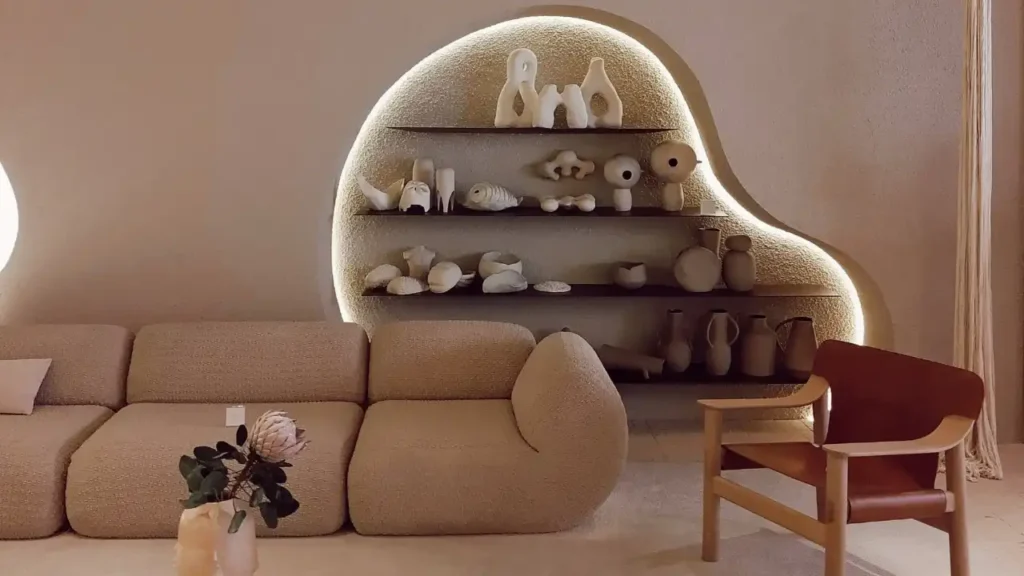
Whether you are furnishing a small apartment, a family living room, a studio, or a larger open-plan space, the goal is the same: create a room that feels calm without sacrificing everyday comfort.
What Makes Furniture Truly Minimalist?
Minimalist furniture is often recognized by its clean appearance, but appearance is only part of the equation. A useful minimalist piece should also work well within the room and support how you actually live.
Good minimalist furniture usually has:
- Clean lines and simple silhouettes
- Appropriate proportions
- Functional design
- Limited visual bulk
- Quality construction
- Neutral or restrained colors
- Useful storage when needed
- Easy movement around the room
- Few unnecessary decorative details
- A shape that works with other furniture
It is important to distinguish minimalist furniture from simply small furniture. A tiny sofa that is uncomfortable or poorly proportioned is not automatically a better minimalist choice.
Likewise, a large sectional can work in a minimalist living room if the room can comfortably accommodate it and the sectional provides the seating the household actually needs.
Minimalism does not mean:
- An uncomfortable room
- A completely white color palette
- Extremely expensive furniture
- An empty living room
- A room without personality
- Furniture that is only suitable for large homes
Instead, think about purpose and proportion. Every piece should contribute to comfort, storage, seating, function, or visual balance.
20 Minimalist Living Room Furniture Ideas
1. Choose a Clean-Lined Minimalist Sofa
The sofa is usually the visual and functional anchor of a living room, so it deserves the most attention.
For a minimalist look, consider a sofa with:
- Straight or gently curved lines
- Slim arms
- Moderate seat depth
- Simple cushions
- Neutral upholstery
- A relatively uncluttered base
- Raised legs when they suit the style
A sofa with raised legs can reveal more floor beneath the furniture, which may help the room feel visually lighter. However, the most important consideration is still comfort and appropriate scale.
Before buying, measure the available wall and floor space. A sofa can have a minimalist appearance but still overwhelm a small room if it is too deep or wide.
Also measure doorways, hallways, stairs, and elevators before ordering. A sofa that fits the living room is not useful if it cannot reach the room.
Internal link opportunity: Small Sectional Sofa Ideas
2. Try a Compact Sectional Sofa
A sectional can be surprisingly effective in a minimalist living room when its configuration matches the space.
Compact sectionals are especially useful for:
- Larger living rooms
- Open-plan spaces
- Family rooms
- Corner layouts
- Homes where lounging is important
Consider an L-shaped sectional, chaise sectional, reversible-chaise design, or modular sectional.
A compact sectional may provide more usable seating than placing a sofa and several chairs separately. That can reduce the number of individual furniture pieces in the room while still giving everyone a comfortable place to sit.
The key is to avoid choosing a sectional simply because it is the largest piece that fits. Leave enough room for movement and consider how doors, windows, and other furniture affect the layout.
3. Use a Minimalist Loveseat in Smaller Rooms
A loveseat can be a practical alternative to a full-size sofa when space is limited.
It works particularly well for:
- Apartments
- Studios
- Couples
- Small living rooms
- Secondary seating areas
Look for a loveseat with a clean silhouette and enough seat depth for comfortable everyday use.
If you have a narrow room, a loveseat paired with one slim accent chair can provide a useful conversation area without filling the entire floor plan.
4. Add a Slim Accent Chair
A minimalist accent chair adds another seating position without requiring the footprint of a large lounge chair.
Options include:
- Armless chairs
- Slim-frame chairs
- Small barrel chairs
- Compact swivel chairs
- Wood-frame lounge chairs
The best choice depends on the room and how the chair will be used.
For occasional seating, a smaller footprint may be enough. For reading or everyday lounging, prioritize seat comfort, back support, and arm position rather than choosing a chair based solely on appearance.
5. Add a Storage Ottoman
A storage ottoman is one of the most useful multifunctional pieces for a minimalist living room.
It can provide:
- A footrest
- Extra seating
- Hidden storage
- An occasional surface
Depending on its size and construction, it can hold blankets, pillows, books, games, remote controls, or other items that would otherwise remain visible.
This is particularly useful in small homes because one piece can serve several purposes without adding several separate furniture items.
Internal link opportunity: Multifunctional Furniture Ideas
6. Choose a Simple Coffee Table
A minimalist coffee table does not need complicated details to make an impression.
Look for:
- A simple geometric shape
- A clean surface
- Appropriate proportions
- Minimal decorative detailing
- A material that suits your lifestyle
Common choices include:
- Wood
- Glass
- Stone
- Metal
- Mixed materials
The coffee table should relate to the size of the sofa and leave enough room for people to move comfortably around it.
A visually simple table can actually make a bigger difference than adding several decorative objects to the tabletop.
7. Use a Round Coffee Table for Softer Minimalism
A round coffee table can soften a living room filled with straight lines.
It can work especially well in:
- Small rooms
- Narrow layouts
- Conversation areas
- Homes with children
- Rooms dominated by rectangular furniture
The lack of sharp corners can also make movement around the table feel more natural.
Choose wood for warmth, glass for a lighter visual effect, stone for a substantial appearance, or a mixed-material design for more contrast.
8. Choose a Lift-Top Coffee Table When You Need More Function
If your living room also functions as a workspace or occasional dining area, a lift-top coffee table may be worth considering.
Depending on the design, it can provide:
- A coffee table
- A temporary workspace
- A dining surface
- Hidden storage
However, multifunctionality is most useful when it solves a real problem.
If you never work or eat in the living room, a complicated lift mechanism may add features without adding meaningful value. A simpler coffee table may be the better choice.
9. Add a Minimalist Side Table
A side table can provide a convenient surface without occupying much space.
Consider:
- C-shaped tables
- Round side tables
- Nesting tables
- Small pedestal tables
- Slim wood tables
Use one beside a sofa or accent chair for a lamp, drink, book, or small everyday item.
Because side tables are relatively small, they are also useful when you want flexibility. You can move them when the room needs to accommodate guests or another activity.
10. Use Nesting Tables Instead of Several Permanent Tables
Nesting tables are particularly useful when your living room needs flexible surfaces.
When separated, they can provide several places to put drinks, books, snacks, or other items. When you need more open floor space, they can be grouped together.
Their main advantages include:
- Flexible placement
- Multiple surfaces
- Easy storage
- Reduced visual clutter
- Useful extra space when entertaining
They can be especially practical for apartments and smaller living rooms.
11. Choose a Slim TV Stand
A minimalist TV stand should support the television without becoming the dominant feature of the room.
Look for:
- Clean horizontal lines
- Closed storage
- Cable-management features
- Appropriate width
- Moderate depth
- A low visual profile
Closed storage can be particularly useful because entertainment equipment, controllers, games, and cables can quickly create visual clutter.
The stand should also be proportionate to the television. A very narrow unit beneath a large TV can look unbalanced, while an oversized cabinet may unnecessarily dominate the room.
12. Add a Minimalist Storage Cabinet
Vertical storage can help reduce clutter without requiring a large amount of floor space.
A simple cabinet can store:
- Books
- Electronics
- Games
- Household items
- Accessories
- Decorative objects
Closed doors are useful for items you do not want on display.
Choose a cabinet based on both capacity and proportion. A very tall or deep cabinet may provide storage but still make a small room feel heavy.
13. Use Floating or Wall-Mounted Storage Carefully
Floating furniture can create a clean appearance by keeping some storage off the floor.
Possible options include:
- Floating cabinets
- Wall-mounted media units
- Floating shelves
- Compact wall shelving
The open floor beneath wall-mounted furniture can make the room feel visually less crowded.
However, renters should check their lease before drilling into walls. If permanent installation is not allowed, freestanding storage can provide similar functionality without modifying the property.
14. Add a Slim Console Table
A narrow console can be useful in areas where a standard cabinet would be too deep.
Good locations include:
- Behind the sofa
- Along a narrow wall
- Near an entry area
- Under artwork or a mirror
It can hold:
- A lamp
- Keys
- Small baskets
- Electronics
- A few carefully selected decorative items
The trick is to keep the surface useful rather than turning the console into another clutter zone.
15. Choose a Storage Bench
A storage bench can combine seating, storage, and visual structure.
It can work near:
- Windows
- Open-plan transitions
- Entry zones
- Dining/living areas
Use the interior for blankets, accessories, books, or other items that need a home.
A bench can also be useful when you want additional seating without adding another full-size chair.
16. Choose Low-Profile Furniture
Low-profile furniture can give a living room a relaxed, streamlined appearance.
Look for:
- Lower sofa backs
- Slim arms
- Raised legs
- Lower visual height
- Simple silhouettes
This approach works particularly well with contemporary, Japandi, and modern minimalist interiors.
However, low-profile does not automatically mean more comfortable. Comfort depends on seat depth, cushioning, back support, seat height, and personal preference.
Choose a low-profile piece because it works with your room and style—not simply because it is low.
17. Use a Minimalist Bookshelf
A bookshelf can provide storage while also becoming part of the room’s architecture.
Consider:
- Open shelving
- Closed shelving
- Ladder-style shelves
- Modular shelving
Open shelves can make a room feel more airy, but they also require more visual organization. Closed shelves are better for hiding items that would otherwise create clutter.
If you use open shelving, avoid filling every shelf. Leaving some negative space can reinforce the minimalist look.
18. Consider a Minimalist Sofa Bed for Multifunctional Rooms
A sofa bed can be useful when one room needs to serve multiple purposes.
It may work well in:
- Studio apartments
- Guest rooms
- Small homes
- Work-from-home spaces
Choose one that provides comfortable everyday seating and has a practical conversion mechanism.
A sofa bed should not be selected simply because it has two functions. Check whether both functions work well enough for your actual lifestyle.
19. Choose Lightweight Furniture for Flexible Layouts
Lightweight furniture can make rearranging easier.
Useful examples include:
- Lightweight accent chairs
- Small side tables
- Modular pieces
- Easily repositioned ottomans
This can be valuable for renters, small households, or rooms that need to change configuration for guests.
But lightweight does not automatically mean better. Stability, durability, comfort, and construction quality still matter.
20. Mix Closed Storage With Open Space
One of the simplest ways to create a calm minimalist living room is to balance storage with breathing room.
Use closed cabinets for:
- Electronics
- Games
- Toys
- Household supplies
- Everyday clutter
Then leave some areas open rather than filling every available surface.
A minimalist room should not try to maximize storage at every wall. The goal is to have enough storage to keep the room organized while preserving visual space.
Best Minimalist Furniture for Small Living Rooms
Small living rooms benefit from careful furniture selection, but the answer is not to make every item as tiny as possible.
A practical combination could include:
- A compact sofa or loveseat
- A slim accent chair
- A round or nesting coffee table
- A storage ottoman
- A narrow console
- A vertical storage cabinet
- A minimalist side table
The important principle is proportion.
A very small chair paired with an oversized sofa can still make the room feel unbalanced. Likewise, several tiny tables may create more visual clutter than one well-sized coffee table.
Choose pieces that provide the functions you actually need while preserving comfortable circulation.
Internal link opportunity: Small Living Room Furniture Ideas
Minimalist Furniture Ideas for Apartments
Apartment living often requires furniture that works within tighter dimensions and more complicated delivery conditions.
Useful choices include:
- Apartment-size sofas
- Compact sectionals
- Loveseats
- Storage ottomans
- Nesting tables
- Narrow cabinets
- Modular furniture
- Lightweight pieces
- Easily movable furniture
Think beyond the living room itself.
A piece may fit the room perfectly but fail because of a narrow hallway, small elevator, tight stairway, or apartment door.
If you expect to move again, portability should also influence your decision. Modular or reasonably lightweight furniture may be easier to adapt to another home.
Minimalist Furniture Ideas for Studio Apartments
A studio often needs to function as several rooms at once.
Your furniture may need to support:
- Living
- Sleeping
- Dining
- Working
- Entertainment
Instead of building physical walls, furniture can create visual zones.
For example, you might use a compact sofa as a divider between the living and sleeping areas. A narrow console can reinforce the separation, while an open bookshelf can provide storage without completely blocking light.
A practical studio setup could include:
- Compact sofa
- Small coffee table
- Storage ottoman
- Narrow console
- Open bookshelf
- Compact dining table
- Modular seating
The goal is to create distinct functions without filling the entire studio with furniture.
Minimalist Furniture for Open-Plan Living Rooms
Open-plan spaces benefit from furniture that creates zones without making the room feel divided.
Useful choices include:
- Sofas
- Sectionals
- Console tables
- Accent chairs
- Bookcases
- Storage furniture
- Area-specific seating
A sofa can define the living area while facing away from the kitchen or dining space.
A bookcase can provide a softer visual boundary. A console behind a sofa can reinforce the zone while providing another useful surface.
And do not automatically push every piece against the walls. Sometimes pulling the sofa slightly into the room creates a more natural conversation area and makes the overall layout feel intentional.
Minimalist Furniture Ideas for Renters
Renters often need furniture that can move with them and does not require permanent installation.
Good options include:
- Freestanding cabinets
- Storage benches
- Storage ottomans
- Leaning shelves
- Modular sofas
- Movable room dividers
- Freestanding media units
- Lightweight side tables
Before choosing wall-mounted storage, check your lease for restrictions on drilling.
Also consider:
- Floor protection
- Furniture weight
- Assembly
- Moving requirements
- Future room sizes
- Whether the piece can be reused elsewhere
For renters, adaptability can be just as valuable as appearance.
Minimalist Living Room Furniture With Hidden Storage
Hidden storage is especially valuable when the goal is to maintain a calm visual environment.
| Furniture | Best For |
|---|---|
| Storage ottoman | Blankets and pillows |
| Storage bench | Accessories and soft goods |
| Closed cabinet | Toys and household items |
| Media console | Electronics and games |
| Drawer console | Small everyday items |
| Storage coffee table | Living-room essentials |
| Storage sectional | Blankets and occasional clutter |
Hidden storage does not mean every object needs to disappear. Instead, use it for the things that create visual noise when left out.
Internal link opportunity: Hidden Storage Furniture Ideas
Multifunctional Minimalist Furniture
Multifunctional furniture can be extremely useful in minimalist homes because it allows one piece to perform several practical jobs.
| Furniture | Functions |
|---|---|
| Storage ottoman | Seating + footrest + storage |
| Lift-top coffee table | Table + workspace + storage |
| Sofa bed | Seating + sleeping |
| Storage bench | Seating + storage |
| Nesting tables | Multiple surfaces + flexible placement |
| Console table | Surface + storage |
| Modular sectional | Seating + flexible configuration |
However, multifunctionality should not become an excuse to buy complicated furniture.
A storage ottoman is useful because seating, foot support, and storage are genuinely needed. A lift-top table makes sense if you regularly work or eat in the room.
The best multifunctional furniture solves a real space problem.
Best Minimalist Living Room Furniture Layouts
Layout 1: Sofa + Storage Ottoman
Best for:
- Small apartments
- Compact living rooms
- Flexible lounging
The ottoman can function as a footrest, extra seat, and storage container.
Layout 2: Loveseat + Accent Chair
Best for:
- Narrow rooms
- Couples
- Small households
This combination creates a conversation area without requiring a large sectional.
Layout 3: Compact Sectional + Round Coffee Table
Best for:
- Corner layouts
- Family rooms
- Relaxed lounging
The sectional concentrates seating in one area, while the round table makes movement around the center easier.
Layout 4: Sofa + Two Slim Chairs
Best for:
- Conversation-focused rooms
- Medium-size living rooms
- Homes that need flexible guest seating
Choose chairs with relatively modest footprints so the arrangement does not become crowded.
Layout 5: Sofa + Nesting Tables
Best for:
- Flexible spaces
- Entertaining
- Small rooms
The tables can spread out when needed and nest together when more floor space is useful.
Layout 6: Sectional + Ottoman
Best for:
- Families
- Larger apartments
- Relaxed living rooms
This layout can provide generous seating without requiring multiple separate chairs.
Whatever layout you choose, preserve comfortable walking paths around doors and between major furniture pieces.
How to Arrange Minimalist Living Room Furniture
A simple process can make furniture planning much easier.
Step 1: Measure the Room
Measure:
- Walls
- Doors
- Windows
- Hallways
- Entryways
- Existing furniture
Do not rely only on approximate room dimensions.
Step 2: Identify the Main Function
Ask how you actually use the room.
Is it mainly for:
- Relaxing?
- Watching TV?
- Reading?
- Entertaining?
- Family activities?
- Working?
Your answer should influence the furniture.
Step 3: Choose the Main Seating
Start with the sofa, loveseat, or sectional.
This is usually the largest furniture investment and the piece that determines much of the layout.
Step 4: Add Supporting Seating
Only add chairs or additional seating if you genuinely need them.
Step 5: Add the Central Surface
Choose a:
- Coffee table
- Ottoman
- Nesting table
The best choice depends on how the room is used.
Step 6: Add Storage
Identify the items that regularly create clutter and give them a dedicated storage location.
Step 7: Check Circulation
Make sure furniture does not interfere with:
- Doors
- Windows
- Walkways
- Entry points
Step 8: Leave Breathing Room
Minimalism depends as much on empty space as furniture.
Do not feel obligated to fill every wall or corner.
How Much Furniture Should a Minimalist Living Room Have?
There is no universal furniture count for a minimalist living room.
The right amount depends on:
- Room size
- Number of residents
- Guests
- Daily activities
- Storage needs
- Existing furniture
- Walking space
A useful rule is that every major piece should contribute to at least one of these:
- Comfort
- Seating
- Storage
- Function
- Visual balance
If a piece does none of these, ask whether it really deserves the floor space.
This approach is more useful than following a fixed furniture checklist because a small studio and a large family room naturally have different requirements.
How to Choose the Right Furniture Size
Furniture size should be evaluated from several angles.
Sofa
Measure:
- Overall width
- Depth
- Arm width
- Back height
- Seat depth
- Leg height
A sofa with wide arms can consume more usable space than its listed overall dimensions might suggest.
Coffee Table
Consider:
- Width
- Length
- Height
- Distance from the sofa
- Walking space around it
Accent Chair
Consider:
- Overall width
- Depth
- Arm width
- Seat height
Storage Furniture
Check:
- Width
- Depth
- Height
- Door clearance
- Drawer clearance
Also think about what will be placed around the furniture. A cabinet may fit perfectly when the doors are closed but become impractical if its doors cannot open fully.
Measure Delivery Access Before Buying
This is one of the most important steps when purchasing large furniture.
Measure:
- Front door
- Interior doors
- Hallways
- Elevator doors
- Elevator interior
- Stairways
- Tight corners
- Ceiling clearance near turns
Also check:
- Box dimensions
- Assembly requirements
- Delivery policies
- Return policies
Do not assume that furniture advertised as “apartment-friendly” will automatically fit every apartment.
A sofa that fits the living room is not useful if it cannot get through the front door.
Best Materials for Minimalist Living Room Furniture
Material choice affects both appearance and everyday maintenance.
| Material | Character | Considerations |
|---|---|---|
| Performance fabric | Practical and versatile | Useful for frequent everyday use |
| Linen | Relaxed and natural | Often has a casual appearance |
| Bouclé | Soft and tactile | Consider cleaning requirements |
| Leather | Durable and substantial | Can have more visual weight |
| Oak | Warm and natural | Strong wood presence |
| Walnut | Rich and refined | Creates a deeper visual tone |
| Rattan | Light and textured | Works well with natural styles |
| Metal | Slim and modern | Can create a sharper appearance |
| Glass | Visually light | Requires regular cleaning |
Choose materials based on your lifestyle, not just aesthetics.
Consider:
- Children
- Pets
- Cleaning habits
- Sunlight
- Frequency of use
- Maintenance requirements
For example, a beautiful but high-maintenance material may not be practical for a busy family.
Minimalist Living Room Furniture Color Ideas
Minimalist furniture does not have to be white.
Light Neutral Furniture
Popular choices include:
- Cream
- Beige
- Soft white
- Light gray
- Greige
These colors can help create a calm, understated foundation.
Warm Minimalist Colors
For a warmer atmosphere, consider:
- Camel
- Tan
- Terracotta
- Olive
- Warm brown
These shades pair naturally with wood furniture and soft neutral walls.
Deeper Minimalist Colors
You can also introduce:
- Forest green
- Navy
- Charcoal
- Chocolate brown
Darker furniture can work in a minimalist room when balanced with appropriate lighting, surrounding colors, and visual breathing room.
Choose colors based on:
- Natural light
- Flooring
- Wall color
- Existing furniture
- Desired atmosphere
Minimalist Furniture Styles to Consider
Modern Minimalist
Think:
- Streamlined shapes
- Slim profiles
- Simple finishes
- Restrained colors
Scandinavian
Common characteristics include:
- Light wood
- Soft upholstery
- Functional design
- Airy appearance
Japandi
Focus on:
- Low-profile furniture
- Natural materials
- Warm neutrals
- Simple silhouettes
Pure Minimalist
Prioritize:
- Fewer pieces
- Clean lines
- Limited visual clutter
- Strong functionality
Organic Modern
Combine:
- Curved forms
- Natural wood
- Soft upholstery
- Rounded furniture
Mid-Century Minimalist
Look for:
- Slim legs
- Wood
- Compact upholstery
- Simple silhouettes
These styles can overlap. A living room can combine Scandinavian materials with Japandi proportions or mid-century furniture with modern minimalist storage.
Minimalist Furniture for Families
A minimalist living room can still work for an active family.
Practical choices may include:
- Performance fabric sofas
- Washable upholstery where available
- Storage ottomans
- Closed cabinets
- Durable coffee tables
- Rounded furniture edges
- Compact sectionals
- Storage benches
The objective is not to make the room completely childproof. Instead, choose furniture that fits your household’s actual cleaning and maintenance needs.
Performance fabrics may be useful for frequent-use seating, while closed storage can make it easier to keep toys and everyday items out of sight.
Internal link opportunities: Performance Fabric Sofa Ideas and Washable Sofa for Families
Minimalist Furniture for Homes With Pets
Pets introduce additional considerations when selecting living room furniture.
Look for features such as:
- Easy-clean upholstery
- Durable materials
- Removable covers where available
- Closed storage
- Easy-to-clean floor areas
- Furniture that allows practical access for cleaning
Consider the realities of:
- Pet hair
- Claws
- Dirt
- Moisture
- Cleaning frequency
A minimalist room is easier to maintain when furniture does not create unnecessary hard-to-reach spaces.
Minimalist Furniture for Couples
Couples often need enough seating for everyday comfort without filling the room unnecessarily.
Useful combinations include:
- Compact sofa + lounge chair
- Loveseat + accent chair
- Small sectional + ottoman
- Sofa + nesting tables
- Sofa + storage ottoman
Think about how you spend most evenings.
If you primarily watch movies together, a comfortable sofa or compact sectional may make more sense than several individual chairs.
If you regularly host guests, flexible accent seating may be more useful.
Minimalist Furniture for First-Time Renters
First-time renters often benefit from furniture that can adapt to changing homes.
Prioritize:
- Budget
- Portability
- Easy assembly
- Multifunctionality
- Rental restrictions
- Delivery
- Future moves
Instead of buying furniture designed for one specific room, consider whether it can work in your next apartment.
A modular sofa, compact table, storage ottoman, or freestanding cabinet can be easier to reuse when your floor plan changes.
How to Create a Cozy Minimalist Living Room
Minimalism does not have to feel cold.
You can create warmth through furniture choices such as:
- A comfortable sofa
- A soft accent chair
- A storage ottoman
- A warm wood coffee table
- A round coffee table
- A storage cabinet
- Layered seating
Natural wood, tactile upholstery, curved furniture, and warm neutral colors can all soften a minimalist interior.
The key is to avoid responding to an overly bare room by simply adding more accessories.
Comfort should come from thoughtful furniture selection, not simply from adding more things.
Internal link opportunity: Cozy Living Room Furniture Ideas
Common Minimalist Living Room Furniture Mistakes
Mistake 1: Buying Before Measuring
Even attractive furniture can become a problem when its dimensions do not work in the room.
Mistake 2: Choosing the Largest Sofa That Fits
“Fits” is not the same as “fits well.” Leave room for movement and supporting furniture.
Mistake 3: Buying Too Many Small Pieces
Several tiny tables and chairs can create more visual clutter than one well-proportioned piece.
Mistake 4: Ignoring Delivery Access
Always measure the route from the entrance to the final room.
Mistake 5: Sacrificing Comfort for Appearance
A minimalist sofa still needs to be comfortable enough for everyday use.
Mistake 6: Forgetting Storage
Without enough storage, everyday items can quickly undermine a minimalist aesthetic.
Mistake 7: Blocking Walking Paths
A beautiful layout becomes frustrating when people have to navigate around furniture.
Mistake 8: Filling Every Empty Corner
Negative space is part of minimalist design.
Mistake 9: Buying Too Many Matching Pieces
A complete matching furniture set can sometimes make a room feel less personal and more visually heavy.
Mistake 10: Ignoring Future Furniture Needs
Consider whether today’s furniture can adapt if your household, room, or living situation changes.
How to Build a Minimalist Living Room on a Budget
You do not need to furnish the entire room at once.
Prioritize spending on:
- Main sofa
- Useful storage
- Comfortable accent chair
- Coffee table or ottoman
- Multifunctional pieces
Ways to Save
- Keep useful furniture you already own
- Consider quality secondhand furniture
- Buy multifunctional pieces
- Mix higher- and lower-priced furniture
- Replace furniture gradually
- Choose modular pieces
- Avoid unnecessary decorative furniture
A gradual approach can also help you understand how the room actually functions before buying additional pieces.
For example, live with your sofa and coffee table for a few weeks before deciding whether you truly need another chair or cabinet.
Internal link opportunity: High Quality Affordable Furniture
Minimalist Living Room Furniture Buying Framework
Use this sequence before purchasing:
- Measure the room.
- Measure delivery access.
- Define how the room will be used.
- Choose the primary seating.
- Add supporting seating.
- Choose a coffee table or ottoman.
- Add storage.
- Select materials based on your lifestyle.
- Check furniture scale.
- Check circulation.
- Leave breathing room.
- Consider future moving or rearranging.
This process prevents a common mistake: buying individual furniture pieces based on appearance without considering how they will work together.
The Five-Minute Minimalist Furniture Test
Before buying any piece, ask:
- Does it fit the room?
- Does it fit through the doorway?
- Will it fit through the elevator or stairs?
- Is it comfortable?
- Does it serve a clear purpose?
- Does it provide useful storage or function?
- Is its scale appropriate?
- Does the material suit my lifestyle?
- Can I move it if necessary?
- Does it preserve walking space?
- Does it work with my existing furniture?
- Does the floor space it occupies feel justified?
If several answers are no, the furniture may not be the right choice—even if you love its appearance.
Minimalist Living Room Furniture Ideas by Need
| Need | Furniture Choice |
|---|---|
| Smallest seating footprint | Loveseat |
| Maximum lounging | Compact sectional |
| Extra seating | Slim accent chair |
| Hidden storage | Storage ottoman |
| Closed storage | Minimalist cabinet |
| Flexible surfaces | Nesting tables |
| Temporary workspace | Lift-top coffee table |
| Small dining/living space | Multifunctional table |
| Warm natural style | Oak furniture |
| Pet-friendly use | Easy-clean upholstery |
| Family seating | Compact sectional |
| Reading area | Lounge chair |
| Rental-friendly storage | Freestanding cabinet |
| Open-plan zoning | Sofa or bookcase |
| Easy moving | Lightweight modular furniture |
Minimalist Furniture Ideas by Interior Style
| Style | Furniture Direction |
|---|---|
| Modern | Streamlined sofa + slim storage |
| Scandinavian | Light wood + soft upholstery |
| Japandi | Low-profile furniture + natural materials |
| Minimalist | Fewer pieces + multifunctionality |
| Organic Modern | Curved furniture + natural wood |
| Mid-Century | Slim legs + compact upholstery |
| Cozy Minimalist | Soft sofa + ottoman + warm wood |
| Modern Farmhouse | Comfortable sofa + simple wood storage |
Frequently Asked Questions
What furniture is best for a minimalist living room?
Apartment-size sofas, compact sectionals, loveseats, storage ottomans, nesting tables, slim accent chairs, and appropriately sized storage furniture are practical choices when their dimensions suit the room.
The best combination depends on how many people use the room, how much storage is needed, and how much open floor space is available.
What size sofa is best for a minimalist living room?
There is no universal sofa size. Measure the available wall and floor space while accounting for circulation, doors, windows, and delivery access.
A sofa should provide enough seating and comfort without overwhelming the room.
Can a sectional work in a minimalist living room?
Yes. A compact sectional can work particularly well in a corner or open-plan room when its configuration and dimensions match the available space.
A reversible or modular sectional can also provide flexibility if the room layout may change.
How can furniture make a small living room look bigger?
Use appropriate scale, maintain clear walking paths, avoid overcrowding, and choose visually lighter furniture where it suits the room.
Multifunctional furniture can also reduce the number of separate pieces needed.
What is the most space-saving minimalist furniture?
Multifunctional furniture can save space because one piece can perform several useful roles.
For example, a storage ottoman can provide seating, foot support, and hidden storage.
Does lightweight furniture work better for minimalist rooms?
Not necessarily. Lightweight pieces can be easier to move, but stability, comfort, durability, and construction quality should still guide the decision.
What furniture should renters avoid?
Renters may want to avoid furniture that requires permanent installation or is extremely difficult to move, especially when lease restrictions or frequent moves are involved.
Large, heavy pieces can also become difficult when moving between apartments.
What minimalist furniture works best in a studio apartment?
A compact sofa, storage ottoman, multifunctional table, narrow storage cabinet, and movable furniture can help a studio serve several functions without excessive clutter.
Furniture can also create visual zones between sleeping, working, dining, and living areas.
How much furniture should a minimalist living room have?
Only as much as the room and household actually need.
Prioritize comfortable seating, useful storage, essential surfaces, functionality, and clear circulation rather than following a fixed number of pieces.
Final Thoughts
A minimalist living room does not have to feel empty, cold, or overly restricted. The strongest minimalist spaces are comfortable because the furniture has been chosen with purpose.
Start with the main seating, whether that is a clean-lined sofa, loveseat, or compact sectional. Then add only the supporting pieces the room genuinely needs: perhaps an accent chair, coffee table, storage ottoman, side table, or storage cabinet.
Pay attention to scale and circulation, especially in apartments and small living rooms. Measure not only the destination but also the path the furniture must take through doors, hallways, stairs, and elevators.
If you are a renter, prioritize furniture that can move and adapt. If you have children or pets, select materials and storage based on your actual maintenance needs. If you live in a studio, focus on multifunctionality and zoning. And if your room is small, remember that open space is part of the design.
The best minimalist living room furniture ideas are not about owning the fewest pieces. They are about choosing fewer, better-proportioned pieces that make the room comfortable, functional, attractive, and easy to live in.
