
Introduction: How to Furnish a Small Bedroom Without Making It Feel Cramped
A small bedroom has to do a lot with limited floor space. It may need to accommodate a comfortable bed, clothing storage, bedside essentials, and sometimes a desk, vanity, or reading chair—all without making the room difficult to move around.
The solution is not simply to buy the smallest furniture you can find. Extremely small furniture can still create problems if it does not provide enough storage, comfort, or usable surface space.
Instead, choose furniture based on scale, function, storage, circulation, and flexibility.
A storage bed can eliminate the need for another cabinet. A floating nightstand can provide a bedside surface without taking up floor space. A tall dresser can use vertical space instead of spreading storage across the room. A fold-down desk can create a workspace when needed and disappear when it is not.
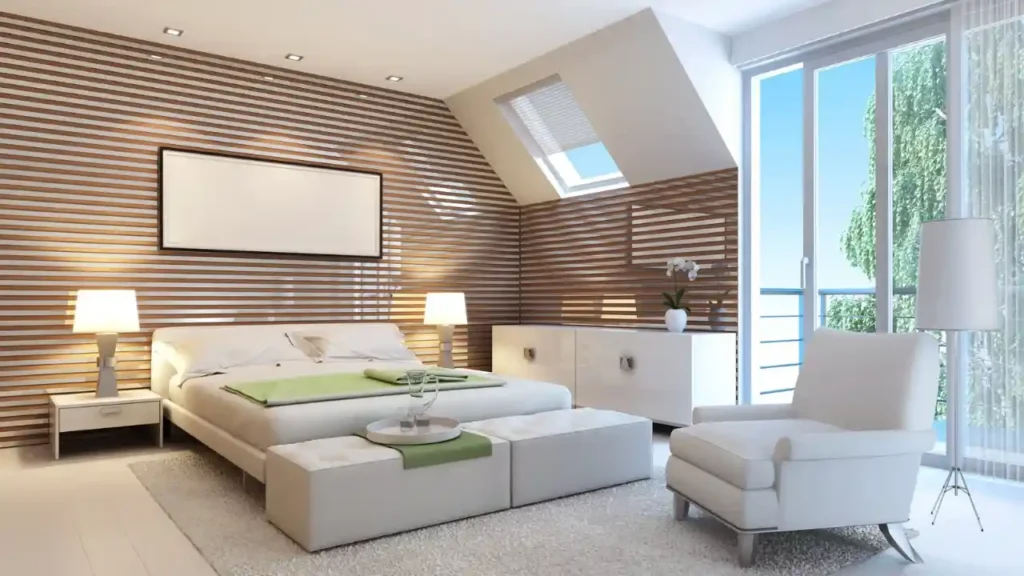
The goal is to make every piece work harder.
The best small bedroom furniture does not simply take up less space—it makes better use of the space you have.
What Makes Furniture Good for a Small Bedroom?
Good small-bedroom furniture is not necessarily tiny. It is furniture that fits the room without wasting valuable floor space.
Look for these characteristics:
- Appropriate proportions
- Compact footprints
- Useful storage
- Multifunctional design
- Vertical storage potential
- Easy movement around the room
- Practical access to drawers and doors
- Simple visual profiles
- Comfortable dimensions
- Flexible placement
There is an important difference between small furniture and space-efficient furniture.
A narrow dresser with inadequate storage may technically take up less floor space, but it may force you to buy another storage unit. A properly sized tall dresser could provide more useful capacity while occupying a similar or smaller footprint.
Small Bedroom Furniture Should Not Mean:
- An uncomfortable bed
- Extremely narrow seating
- Poor-quality storage
- Difficult-to-use drawers
- Furniture that blocks pathways
- Filling every available wall
- Sacrificing comfort for appearance
The goal is not to make the bedroom feel empty. It is to make the available space feel intentional and easy to use.
20+ Small Bedroom Furniture Ideas That Make Better Use of Space
1. Choose the Right Bed Size
The bed is usually the largest furniture piece in a bedroom, so its size has a major effect on everything else.
Depending on the room and household, you might consider:
- Twin bed
- Full bed
- Queen bed
- Platform bed
- Compact bed frame
A larger bed is not automatically a better choice. It needs to leave enough room for walking, opening storage, accessing doors, and using the rest of the bedroom comfortably.
Before choosing a size, consider:
- Number of sleepers
- Available floor space
- Door placement
- Window position
- Closet location
- Walking paths
- Storage requirements
For a single sleeper in a particularly compact room, a twin or full may leave substantially more usable space. Couples may prefer a queen when the room can accommodate it without creating an awkward layout.
The right bed is the one that provides comfortable sleeping space while allowing the rest of the room to function.
2. Use a Storage Bed
A storage bed can be one of the most practical choices for a compact bedroom because it combines sleeping space with additional storage.
Depending on the design, storage may include:
- Under-bed drawers
- Lift-up compartments
- Shelving
- Built-in cabinets
Use this hidden space for items that do not need to be accessed every day, such as:
- Extra bedding
- Seasonal clothing
- Shoes
- Blankets
- Spare pillows
- Less frequently used accessories
Pay attention to how the storage operates. Drawers need enough room to open, while lift-up mechanisms need adequate clearance above and around the bed.
A storage bed is most useful when it replaces another piece of furniture rather than simply adding more storage to an already crowded room.
3. Choose a Platform Bed With a Slim Profile
A platform bed with a simple frame can reduce the visual bulk of a small bedroom.
Look for:
- Clean lines
- A streamlined frame
- Moderate visual height
- Simple headboard construction
- Raised legs when appropriate
- Useful under-bed clearance
A slim frame can make the bedroom feel more open without reducing the size of the mattress.
However, avoid choosing a bed solely because it looks minimal. Check mattress support, construction, stability, and comfort before making a decision.
4. Consider a Daybed for Very Small Rooms
A daybed can be useful when a room needs to serve more than one purpose.
It can function as:
- A bed
- A sofa-like seating area
- A lounging surface
Daybeds are particularly useful in:
- Guest bedrooms
- Teen rooms
- Studio apartments
- Multipurpose rooms
If the room is used for everyday sleeping, make sure the daybed provides an appropriate sleeping surface and that its conversion or setup is practical.
For occasional guests, the ability to use the room as a sitting area when nobody is sleeping can be especially useful.
5. Use a Murphy Bed or Wall Bed
A Murphy bed can help reclaim floor space when the bedroom needs to perform several functions.
It can be particularly useful in:
- Studio apartments
- Guest rooms
- Home offices
- Multipurpose bedrooms
When folded away, the bed can open up the floor for another activity.
Some designs also incorporate storage, shelving, or desks.
However, installation requirements matter. Check the wall structure, hardware quality, operating mechanism, and manufacturer’s requirements. Renters should also confirm that their lease allows the necessary installation.
6. Choose a Compact Nightstand
A nightstand does not need to be large to be useful.
Consider:
- Narrow nightstands
- Small drawer units
- Pedestal tables
- C-shaped tables
- Compact bedside cabinets
The important question is what you actually keep beside the bed.
If you only need space for a lamp, phone, book, and glass of water, a large three-drawer nightstand may be unnecessary.
Choose a piece that provides the required surface and storage without interfering with the bed or walking path.
7. Try Floating Nightstands
Floating nightstands can be especially useful in narrow bedrooms.
They provide:
- A bedside surface
- Open floor underneath
- Easier cleaning
- A visually lighter appearance
A floating shelf can sometimes perform the same basic function as a conventional nightstand.
However, wall-mounted furniture requires suitable installation. Renters should check their lease before drilling, while homeowners should use appropriate hardware for the wall construction and expected load.
8. Use a Tall Dresser Instead of a Wide Dresser
When floor space is limited, vertical storage can be more useful than wide storage.
A tall, narrow chest can provide clothing storage while occupying a smaller footprint than a broad dresser.
Before buying one, check:
- Ceiling height
- Drawer extension
- Stability
- Wall clearance
- Available walking space
- Nearby doors and furniture
Tall furniture should also be stable and appropriately secured according to the manufacturer’s instructions, especially in homes with children.
9. Choose a Slim Wardrobe or Armoire
A narrow wardrobe can be useful when a bedroom has limited built-in closet space.
Look for:
- Tall storage
- Adjustable shelves
- Sliding doors where appropriate
- Interior hanging space
- Compact depth
- Optional drawers
Mirrored doors can combine storage and a full-length mirror, but consider how the reflection interacts with windows, lighting, and the rest of the room.
Most importantly, measure the operating space.
A wardrobe that fits between two walls is not useful if its doors cannot open properly.
10. Use Under-Bed Storage
The space underneath a bed is often overlooked.
Depending on the bed design, you can use:
- Built-in drawers
- Rolling storage boxes
- Low bins
- Vacuum storage bags
- Purpose-designed under-bed organizers
This space works particularly well for seasonal items and spare bedding.
Keep frequently used belongings somewhere easier to access. Under-bed storage should not become a place where everything gets forgotten.
11. Add a Storage Bench at the Foot of the Bed
If there is sufficient clearance, a storage bench can provide several functions at once.
It can offer:
- Extra seating
- Blanket storage
- A place to temporarily set clothing
- A visual transition at the end of the bed
Choose the bench width and depth carefully.
You need enough space to walk around it and open any storage compartment without obstructing the bedroom’s main circulation route.
12. Choose a Slim Bedroom Chair
A chair can be useful for reading, getting dressed, or simply creating a comfortable sitting area.
For a small bedroom, consider:
- Armless chairs
- Slim-frame chairs
- Compact lounge chairs
- Small accent chairs
- Folding chairs
But don’t add a chair simply because an empty corner is available.
If the chair becomes a permanent place for clothes and rarely gets used for sitting, the floor space may be better used for storage.
13. Use a Wall-Mounted Desk
A wall-mounted desk can create a workspace without requiring a full-size desk.
It can work well for:
- Students
- Remote workers
- Teen bedrooms
- Occasional computer use
Benefits include:
- Compact footprint
- Useful work surface
- Open floor underneath
- Potential for fold-down functionality
Pair it with a compact chair that can slide underneath the desk when not in use.
14. Choose a Fold-Down Desk
A fold-down desk can disappear when the workday is over.
When open, it provides a work surface. When closed, it takes up much less usable floor space.
This can be particularly useful when the bedroom doubles as:
- A home office
- Study area
- Guest room
- Hobby space
Keep cables, chargers, and frequently used work accessories organized so that closing the desk does not become a daily hassle.
15. Add a Narrow Vanity
If you need a dedicated grooming area, a narrow vanity can provide useful function without requiring a large dressing table.
Consider:
- Slim vanity tables
- Floating drawers
- Wall-mounted vanities
- Compact mirrors
- Fold-down mirror designs
A vanity is most useful when it combines storage and surface space rather than becoming another isolated furniture piece.
16. Use a Mirrored Wardrobe
A mirrored wardrobe can combine two functions:
Clothing storage + full-length mirror
This can reduce the need for a separate freestanding mirror.
Place the wardrobe carefully. A large mirror can reflect light and visually expand the room, but it can also reflect clutter if positioned opposite an untidy area.
Choose the location based on both storage access and the room’s overall visual balance.
17. Choose Furniture With Built-In Storage
Integrated storage can reduce the number of separate furniture pieces you need.
Examples include:
- Storage headboards
- Ottoman beds
- Bed frames with drawers
- Storage benches
- Bedside cabinets
- Desks with drawers
The advantage is not simply having more storage. The advantage is combining storage with something you already need.
That can help preserve valuable floor space.
18. Use a Storage Headboard
A storage headboard can be particularly useful when there is little room for traditional nightstands.
Depending on the design, it may include:
- Shelves
- Small cabinets
- Open compartments
- Hidden storage
- Integrated lighting
Use it for books, small personal items, charging accessories, or other bedtime essentials.
Avoid overloading open shelves. A few useful items can look intentional, while too many objects can quickly create visual clutter.
19. Choose Nesting or Folding Furniture
Flexible furniture is useful when a bedroom needs occasional functions rather than permanent ones.
Consider:
- Folding stools
- Folding chairs
- Nesting tables
- Expandable desks
These pieces can be moved or stored when they are not needed.
The goal is to create flexibility without keeping unnecessary furniture permanently on the floor.
20. Use Multifunctional Furniture
Multifunctional furniture can be especially valuable in a small bedroom.
Examples include:
- Bed + storage
- Daybed + seating
- Desk + vanity
- Bench + storage
- Wardrobe + mirror
- Nightstand + charging station
- Headboard + shelving
The key is usefulness.
Multifunctionality should solve a genuine space problem rather than simply add features.
A complicated piece with functions you never use may take up more space and cost more without providing meaningful benefits.
Best Furniture Layouts for a Small Bedroom
Furniture arrangement can matter just as much as furniture dimensions.
Layout 1: Bed Against the Long Wall
This can work well in a narrow bedroom when positioning the bed this way creates a more usable walking path.
It may be particularly suitable for:
- Narrow rooms
- Single sleepers
- Rooms where circulation is more important than symmetrical bedside furniture
Layout 2: Bed Centered on the Main Wall
Centering the bed can create a balanced layout when there is enough room on both sides.
This works especially well when you want:
- Two compact nightstands
- Symmetrical lighting
- Balanced storage
Layout 3: Bed in a Corner
A corner bed can free more central floor space.
It may work well for:
- Single sleepers
- Guest bedrooms
- Very small rooms
However, consider whether the bed will remain comfortable and accessible from the desired side.
Layout 4: Bed + Wall-Mounted Desk
This arrangement works well when the bedroom also functions as a workspace.
Keep the desk positioned so that the chair does not interfere with the main walking path.
Layout 5: Bed + Storage Bench
If there is sufficient clearance at the foot of the bed, a storage bench can combine seating and storage without requiring another cabinet.
How to Arrange Furniture in a Small Bedroom
A simple planning process can prevent expensive mistakes.
Step 1: Measure the Room
Record:
- Length
- Width
- Ceiling height
- Door locations
- Window locations
- Closet openings
- Radiators
- Electrical outlets
- Built-in features
Don’t rely only on approximate measurements.
Step 2: Identify the Main Function
Ask what the bedroom needs to support.
Is it mainly for:
- Sleeping?
- Storage?
- Dressing?
- Studying?
- Working?
- A combination of these?
Step 3: Place the Bed First
The bed is normally the dominant furniture piece, so establish its position before adding anything else.
Step 4: Add Essential Storage
Once the bed is positioned, determine how much clothing and household storage remains necessary.
Step 5: Add a Nightstand or Alternative
If a traditional nightstand does not fit, consider a floating shelf, narrow cabinet, or C-shaped table.
Step 6: Add a Desk or Vanity Only If Needed
An empty wall does not automatically need furniture.
If the desk or vanity will rarely be used, that floor space may be more valuable for storage or circulation.
Step 7: Check Circulation
Make sure furniture does not block:
- Doors
- Closets
- Windows
- Walkways
- Drawers
- Radiators
- Outlets
Step 8: Leave Visual Breathing Room
A small bedroom can feel more comfortable when some floor and wall space remains open.
Small Bedroom Furniture Ideas for Apartments
Apartment bedrooms often have additional constraints beyond room size.
You may need to consider:
- Narrow hallways
- Small elevators
- Apartment doors
- Limited closets
- Rental restrictions
- Future moves
Useful furniture choices include:
- Storage beds
- Compact dressers
- Narrow wardrobes
- Floating nightstands where permitted
- Fold-down desks
- Storage benches
- Modular furniture
- Lightweight but stable pieces
Before buying large furniture, measure the entire route from the building entrance to the bedroom.
A piece can fit perfectly inside the bedroom and still be impossible to deliver.
Small Bedroom Furniture Ideas for Renters
Renters often benefit from furniture that does not require permanent modifications.
Good options include:
- Freestanding wardrobes
- Storage beds
- Small dressers
- Leaning shelves
- C-shaped tables
- Freestanding mirrors
- Folding desks
- Storage benches
Be more cautious with:
- Wall-mounted desks
- Floating nightstands
- Built-in storage
- Murphy beds
- Permanently attached shelving
Always check your lease before drilling into walls or making structural changes.
For frequent movers, portability also matters. A slightly lighter modular piece may be more practical than a very heavy solid unit that is difficult to transport.
Small Bedroom Furniture With Hidden Storage
Hidden storage is particularly useful because it keeps everyday items organized without adding visual clutter.
| Furniture | Best Storage Use |
|---|---|
| Storage bed | Bedding and seasonal items |
| Storage bench | Blankets and pillows |
| Storage headboard | Books and small essentials |
| Closed nightstand | Personal items |
| Tall dresser | Clothing |
| Wardrobe | Clothes and accessories |
| Under-bed boxes | Shoes and seasonal items |
| Storage ottoman | Extra linens |
The best hidden storage solution depends on what you actually need to store.
For example, a storage headboard is convenient for books and small items, while a storage bed is better suited to bulkier belongings.
For more ideas, consider linking naturally to your Hidden Storage Furniture Ideas guide.
Multifunctional Furniture for Small Bedrooms
Multifunctional furniture can reduce the number of separate pieces required.
| Furniture | Functions |
|---|---|
| Storage bed | Sleeping + storage |
| Daybed | Sleeping + seating |
| Murphy bed | Sleeping + open floor space |
| Fold-down desk | Workspace + compact wall storage |
| Storage bench | Seating + storage |
| Desk vanity | Workspace + grooming area |
| Mirrored wardrobe | Clothing storage + mirror |
| Storage headboard | Headboard + shelving/storage |
However, don’t choose multifunctionality simply because it sounds efficient.
A piece should provide functions you genuinely need.
If you never use a desk, buying a complicated bed with an integrated desk may not be more useful than a straightforward storage bed.
Vertical Storage Ideas for Small Bedrooms
When floor space is limited, look upward.
Useful vertical storage options include:
- Tall wardrobes
- Vertical bookcases
- High shelves
- Wall-mounted cabinets
- Tall dressers
- Storage headboards
- Over-door organizers
Vertical storage can preserve floor space, but too much tall furniture can make a small room feel visually heavy.
Balance tall storage with:
- Open floor space
- Simple finishes
- Clear pathways
- Lower-profile furniture
- A limited number of decorative objects
The objective is not to fill every inch of wall height. It is to use otherwise wasted space intelligently.
Small Bedroom Furniture for Couples
Couples need to balance sleeping comfort with shared storage.
Here are several practical combinations:
Option 1: Queen Bed + Two Compact Nightstands
A straightforward setup when there is enough space on both sides of the bed.
Option 2: Queen Bed + One Nightstand + Wall Shelf
Useful when one side of the bed has limited clearance.
Option 3: Full Bed + Narrow Dresser
A smaller sleeping surface can leave additional room for storage or circulation.
Option 4: Storage Bed + Floating Nightstands
This combination can reduce the need for separate storage pieces.
Option 5: Platform Bed + Tall Wardrobe
Useful when closet capacity is limited but floor space is tight.
Prioritize comfortable sleeping space and shared storage rather than trying to fit identical furniture on both sides of the room.
Small Bedroom Furniture for Kids and Teens
A child’s or teenager’s bedroom often needs to support sleeping, studying, clothing storage, hobbies, and personal belongings.
Useful options include:
- Compact beds
- Loft beds
- Storage beds
- Under-bed drawers
- Wall desks
- Narrow wardrobes
- Bookshelves
- Storage benches
Keep frequently used belongings within easy reach.
Less frequently used items can go into higher storage, provided the storage is safely accessible.
For loft or elevated beds, follow the manufacturer’s safety requirements and use products appropriate for the user’s age and intended use.
Small Guest Bedroom Furniture Ideas
A guest bedroom does not necessarily need the same amount of furniture as a primary bedroom.
Consider:
- Compact bed
- Daybed
- Storage bench
- Narrow nightstand
- Slim wardrobe
- Small dresser
- Folding desk
The goal is to make the room comfortable without filling it with furniture that guests rarely use.
A daybed or storage bed can be especially useful when the guest room occasionally needs to function as another type of space.
Small Bedroom Furniture for a Home Office Combination
If your bedroom doubles as a workspace, choose furniture that allows the room to transition between work and rest.
Useful choices include:
- Wall-mounted desk
- Fold-down desk
- Narrow writing desk
- Storage bed
- Compact office chair
- Tall cabinet
Try to create some visual separation between work and sleep.
For example, work equipment can be stored inside a cabinet or closed drawer at the end of the day instead of remaining visible around the bed.
How to Choose the Right Bed for a Small Bedroom
There is no single bed size that works for every small bedroom.
| Bed Type | Best For |
|---|---|
| Twin | Single sleepers and very small rooms |
| Full | Single sleepers or couples who prefer a compact sleeping area |
| Queen | Couples with enough available floor space |
| Daybed | Guest rooms and multipurpose spaces |
| Murphy bed | Rooms needing flexible floor space |
| Storage bed | Bedrooms requiring additional storage |
Don’t automatically choose the smallest bed.
A bed should provide enough sleeping comfort while leaving sufficient space for circulation, storage, and other necessary functions.
How to Choose Small Bedroom Storage Furniture
Storage furniture should be selected according to both capacity and accessibility.
Consider:
- Storage capacity
- Width
- Depth
- Height
- Door clearance
- Drawer clearance
- Frequency of use
- Accessibility
Daily-Use Items
Keep clothing, accessories, and personal items you use regularly somewhere easy to reach.
Seasonal Items
Use higher shelves, under-bed compartments, or less accessible storage for items you only need occasionally.
Bulky Items
Bedding, luggage, blankets, and similar items may work better in deeper storage or under the bed.
Good storage is not just about how much it holds. It is about how easily you can find and use what is inside.
Best Furniture Materials for Small Bedrooms
Furniture materials affect both appearance and practicality.
| Material | Visual Effect | Considerations |
|---|---|---|
| Light oak | Warm and airy | Shows natural wood character |
| Ash | Light and clean | Works well with modern interiors |
| Walnut | Rich and sophisticated | Can create more visual weight |
| Metal | Slim and modern | Useful for simple frames |
| Rattan | Light and textured | Adds natural character |
| Upholstery | Soft and comfortable | Requires appropriate care |
| Glass | Visually light | Needs regular cleaning |
Choose materials based on more than appearance.
Consider:
- Durability
- Maintenance
- Pets
- Children
- Sunlight
- Cleaning habits
- Existing finishes
For a frequently used bedroom, a beautiful material that requires more maintenance may not be the most practical choice for your lifestyle.
Small Bedroom Furniture Color Ideas
Light Neutrals
Consider:
- White
- Cream
- Beige
- Light gray
- Greige
These colors can create an airy appearance, especially when combined with appropriate lighting and uncluttered surfaces.
Warm Natural Colors
For a warmer bedroom, consider:
- Oak
- Tan
- Camel
- Warm brown
- Soft terracotta
These tones work particularly well with natural wood and soft textiles.
Deeper Accent Colors
Dark furniture can also work in a small bedroom when balanced carefully.
Options include:
- Olive
- Navy
- Forest green
- Charcoal
Minimal or small-space design does not require every piece of furniture to be white.
Choose colors based on:
- Natural light
- Wall color
- Flooring
- Existing furniture
- Desired atmosphere
Small Bedroom Furniture Styles
Minimalist
Minimalist bedrooms generally focus on fewer pieces, clean lines, and practical furniture.
Useful characteristics include:
- Simple silhouettes
- Limited visual clutter
- Multifunctional furniture
- Restrained finishes
Scandinavian
Scandinavian-inspired furniture often works well in compact rooms because of its emphasis on functionality and visual lightness.
Think:
- Light wood
- Soft colors
- Simple silhouettes
- Practical storage
Japandi
Japandi combines elements of Japanese and Scandinavian design.
Common furniture characteristics include:
- Low profiles
- Natural materials
- Warm neutrals
- Clean silhouettes
Modern
Modern small-bedroom furniture can include:
- Streamlined forms
- Simple finishes
- Concealed storage
- Functional layouts
Mid-Century Modern
Look for:
- Slim legs
- Natural wood
- Compact upholstery
- Simple silhouettes
The raised legs often create visible floor space beneath furniture, which can contribute to a lighter visual appearance.
Cozy Bedroom
A cozy bedroom can still be space-efficient.
Consider:
- Soft upholstery
- Warm wood
- Comfortable seating
- Practical storage
- Rounded furniture
Different styles can overlap. A room can be both Japandi and minimalist, or Scandinavian and cozy.
How to Make a Small Bedroom Look Bigger With Furniture
Furniture cannot physically increase the size of a room, but the right choices can make the space feel more open and organized.
Use Appropriate Scale
Avoid oversized furniture that dominates the room.
At the same time, don’t fill the room with too many tiny pieces. Several small furniture items can create more visual clutter than one appropriately sized piece.
Choose Raised-Leg Furniture
Furniture with visible space underneath can create a lighter visual effect because more flooring remains visible.
Use Vertical Storage
Tall storage can move belongings upward instead of outward.
Keep Paths Clear
Open pathways make the room easier to navigate and can help it feel less crowded.
Choose Multifunctional Pieces
One piece performing several necessary functions can reduce the number of furniture items required.
Avoid Overfilling
Empty space is not wasted space in a small bedroom. It provides circulation and visual breathing room.
Use Mirrors Strategically
A mirrored wardrobe or well-placed mirror can reflect light and create a greater sense of visual depth.
However, avoid placing mirrors where they simply reflect clutter or create uncomfortable glare.
Common Small Bedroom Furniture Mistakes
Mistake 1: Buying the Bed Before Measuring
The bed determines much of the remaining layout, so measure first.
Mistake 2: Choosing Oversized Nightstands
Large nightstands can unnecessarily reduce walking space.
Mistake 3: Using Wide Storage When Vertical Storage Would Work
A tall dresser may provide useful storage while occupying less floor area.
Mistake 4: Buying Too Many Pieces
Every additional furniture item needs floor space.
Mistake 5: Ignoring Door and Drawer Clearance
Furniture needs operating space, not just a footprint.
Mistake 6: Blocking Windows or Radiators
Consider fixed architectural elements before deciding where furniture belongs.
Mistake 7: Forgetting Delivery Access
Large furniture must fit through the home’s entrance route before it can reach the bedroom.
Mistake 8: Sacrificing Comfort
Small does not automatically mean practical.
A bed, chair, or desk should remain comfortable enough for its intended use.
Mistake 9: Filling Every Wall
Leaving some wall and floor space open can prevent visual heaviness.
Mistake 10: Buying Furniture Without a Storage Plan
Know where clothing, bedding, shoes, accessories, and everyday items will go before purchasing additional furniture.
Small Bedroom Furniture Ideas on a Budget
You don’t need to furnish everything at once.
Prioritize spending on:
- Bed and mattress
- Essential storage
- Nightstand or bedside alternative
- Useful lighting
- Multifunctional furniture
Ways to Save
Keep useful furniture you already own.
A simple existing table may work perfectly as a nightstand.
Consider quality secondhand furniture.
Used furniture can provide useful storage or solid construction without the cost of buying everything new.
Repurpose small pieces.
A compact cabinet, stool, or table may serve a new function.
Use wall shelves where appropriate.
When permitted and safely installed, shelves can provide storage without consuming floor space.
Buy modular storage gradually.
Add pieces only when a real storage need appears.
Choose multifunctional furniture.
A storage bed or bench may eliminate the need for another furniture item.
Avoid unnecessary decorative furniture.
Decor can come from textiles, artwork, lighting, and a few carefully selected objects rather than additional large pieces.
For more budget-conscious furniture strategies, consider linking to your High Quality Affordable Furniture guide.
Small Bedroom Furniture Buying Framework
Before buying any furniture, work through this sequence:
- Measure the room.
- Measure the entry route.
- Identify the bedroom’s main function.
- Determine the largest piece you actually need.
- Choose the appropriate bed size.
- Calculate clothing storage requirements.
- Decide whether you need one or two bedside surfaces.
- Look for vertical storage opportunities.
- Determine whether a desk or vanity is genuinely necessary.
- Consider multifunctional pieces.
- Check door and drawer clearance.
- Check walking paths.
- Consider material maintenance.
- Think about future moving or rearranging.
- Leave some breathing room.
This process helps prevent impulse purchases that look attractive online but don’t work in the actual room.
The Five-Minute Small Bedroom Furniture Test
Before purchasing a piece, ask:
- Does it fit the available floor space?
- Does it leave enough walking room?
- Can all doors and drawers open properly?
- Does it fit through the bedroom door?
- Can it reach the bedroom through the home’s entry route?
- Does it provide enough storage or function?
- Is it comfortable for its intended use?
- Is its scale appropriate?
- Does it work with my existing furniture?
- Does it block a window, radiator, or outlet?
- Is it practical to move?
- Will it still work if my needs change?
If a furniture piece fails several of these questions, reconsider whether it deserves valuable floor space.
Small Bedroom Furniture Ideas by Need
| Need | Furniture Choice |
|---|---|
| Maximum storage | Storage bed |
| Smallest bedside footprint | Floating nightstand |
| Clothing storage | Tall dresser |
| Limited closet | Slim wardrobe |
| Occasional sleeping | Daybed |
| Flexible floor space | Murphy bed |
| Small workspace | Wall-mounted desk |
| Fold-away workspace | Fold-down desk |
| Extra seating | Storage bench |
| Hidden bedding storage | Ottoman bed |
| Small vanity | Narrow vanity |
| Mirror + storage | Mirrored wardrobe |
| Vertical storage | Tall cabinet |
| Small guest room | Daybed |
| Teen bedroom | Loft or storage bed |
Small Bedroom Furniture Ideas by Style
| Style | Furniture Direction |
|---|---|
| Minimalist | Fewer pieces + clean lines |
| Scandinavian | Light wood + simple storage |
| Japandi | Low-profile + natural materials |
| Modern | Streamlined furniture + concealed storage |
| Mid-Century | Slim legs + compact silhouettes |
| Cozy | Soft upholstery + warm wood |
| Organic Modern | Natural materials + rounded shapes |
| Modern Farmhouse | Simple wood furniture + practical storage |
Frequently Asked Questions
What furniture is best for a small bedroom?
A suitable bed, compact bedside surface, efficient storage, and appropriately scaled furniture are the foundation. Storage beds, tall dressers, slim wardrobes, floating nightstands, and multifunctional pieces can be particularly useful when floor space is limited.
What size bed is best for a small bedroom?
There is no universal answer. Choose according to the number of sleepers, available floor space, circulation, and storage needs. A full or queen may work in one room, while a twin or daybed may be more practical in another.
How can I maximize storage in a small bedroom?
Combine under-bed storage, tall wardrobes, vertical shelving, storage headboards, compact dressers, and furniture with integrated compartments. Prioritize storage according to how frequently you need to access the items.
Is a storage bed good for a small bedroom?
A storage bed can be very useful when the additional storage replaces another furniture piece or solves a genuine storage problem. Check drawer or lift clearance before buying.
Is a Murphy bed worth considering?
A Murphy bed can be useful when a bedroom needs to serve multiple purposes because it can free floor space when folded away. Installation requirements, wall structure, hardware, and lease restrictions should all be considered.
How can I fit a desk into a small bedroom?
Consider a wall-mounted desk, fold-down desk, narrow writing desk, or multifunctional vanity. A compact chair that fits underneath the desk can further reduce the amount of floor space required.
Should I use floating nightstands?
Floating nightstands can be useful when floor space is limited because they leave the area underneath open. However, renters should check whether wall mounting is permitted.
How do I make a small bedroom look less crowded?
Use appropriately scaled furniture, maintain clear pathways, prioritize vertical storage, avoid unnecessary pieces, and leave some open floor and wall space.
What furniture should I avoid in a small bedroom?
Avoid furniture that is disproportionately large, unnecessarily deep, difficult to move, or provides little useful function relative to the floor space it occupies.
How much furniture should a small bedroom have?
Only enough to support the room’s essential functions. Start with the bed, storage, and bedside needs. Add a desk, vanity, chair, or additional furniture only when the room genuinely needs it.
Final Thoughts
A small bedroom does not have to feel cramped simply because the floor plan is limited. The difference often comes down to choosing furniture that works harder and fits the room properly.
Start with the bed because it usually determines the largest portion of the layout. Then solve your storage needs with vertical furniture, under-bed storage, compact dressers, or a wardrobe that fits the available space.
For very small rooms, multifunctional options such as storage beds, daybeds, Murphy beds, floating nightstands, fold-down desks, and storage benches can help reduce the number of separate furniture pieces you need.
Always measure more than the bedroom itself. Check doors, hallways, stairs, elevators, windows, radiators, outlets, and the clearance needed to open drawers and doors.
Most importantly, don’t sacrifice comfort simply to make furniture smaller.
The best small bedroom furniture ideas balance scale, comfort, storage, circulation, and style—helping you create a bedroom that feels organized, functional, comfortable, and easy to live in without wasting valuable space.
