
Working from home does not always come with the luxury of a dedicated office. A bedroom corner, living room wall, studio apartment, or unused closet may have to serve as your workspace instead.
The challenge is finding a home office desk for small spaces that gives you enough room to work without taking over the entire room. A desk that looks compact in a showroom can feel surprisingly bulky once you add a chair, monitor, keyboard, storage, and other everyday essentials.
The good news is that small-space desks come in many practical designs. Floating desks can free up floor space, narrow desks can fit along tight walls, corner desks can use awkward areas, and folding desks can disappear when the room needs another purpose.
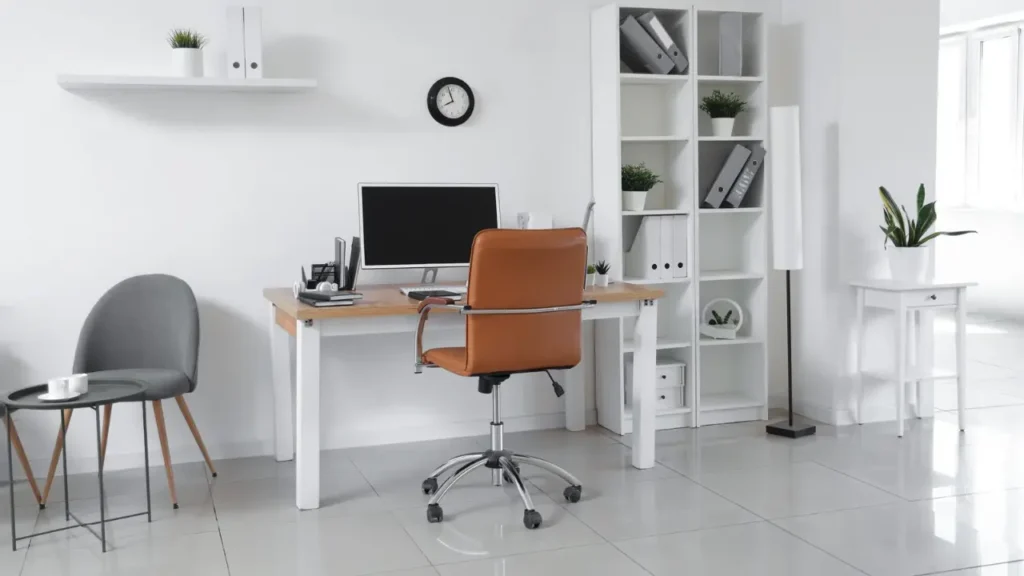
The key is not simply choosing the smallest desk. It is finding the right balance between workspace, comfort, storage, circulation, and style.
What Makes a Good Home Office Desk for Small Spaces?
A good compact desk should solve a space problem without creating a usability problem. Before choosing a design, consider the following factors.
Compact Footprint
The desk should fit comfortably within the available area while leaving enough room for your chair and normal movement.
Measure the actual space rather than relying only on how the desk looks in a product photo. Pay attention to nearby doors, windows, drawers, outlets, and walkways.
Practical Desk Depth
Depth is especially important in a narrow room. A desk can be relatively short but still consume too much space if it extends far into the room.
Think about what you actually need on the surface. A laptop-only setup generally needs less depth than a workstation with a large monitor, keyboard, speakers, notebooks, and other equipment.
Useful Storage
Storage can make a small desk much more functional. Drawers, shelves, monitor risers, and vertical organizers can help keep supplies accessible without requiring a larger desktop.
Comfortable Working Height
A compact desk should still allow you to work comfortably with your chair and equipment.
Do not choose a desk solely because it fits a particular corner. Make sure your legs can move freely underneath and that the working height is compatible with your chair.
Easy Cable Management
Small spaces show clutter quickly. A few loose charging cables can make an otherwise attractive workspace look messy.
Look for desks with cable holes, cable trays, or enough space underneath for simple cable-management solutions.
Flexible or Multifunctional Design
A multifunctional desk can be especially useful when one room serves several purposes.
For example, a folding desk can become a workspace during the day and free up floor space later. A console-style desk can work as both a workstation and a living-room surface.
The goal is to find a desk that is small enough for the room but large enough for the way you actually work.
15 Best Home Office Desk Ideas for Small Spaces
1. Floating Wall-Mounted Desk
A floating desk is one of the most space-conscious options for a compact home office.
Because it attaches to the wall rather than using traditional legs, it leaves more visible floor area underneath. This can make a small room feel less crowded and also makes cleaning easier.
A floating desk works particularly well in bedrooms, apartments, and narrow wall sections.
Consider adding a small wall shelf above it for notebooks, headphones, or decorative items.
Best for: Very small rooms, bedrooms, apartments, and minimalist interiors.
Potential limitation: Installation needs to be secure enough to support the desk and its intended load.
2. Narrow Writing Desk
A narrow writing desk can be an excellent choice when you have more wall length than floor depth.
Its simple design works well for laptop-based work, writing, studying, or occasional home-office tasks.
Place it against a bedroom wall, behind a sofa, or along an unused hallway section if the location provides enough clearance.
Best for: Laptop users and narrow rooms.
3. Compact Desk With Drawers
A small desk with built-in drawers combines two functions in one footprint.
Instead of adding a separate filing cabinet or storage unit, you can keep pens, documents, chargers, and other supplies directly inside the desk.
Choose drawers carefully, though. A large drawer unit can make a small desk feel heavier than necessary.
Best for: People who need everyday storage but have limited floor space.
4. Corner Desk
Corners are often underused in small rooms, making them valuable locations for a workspace.
A corner desk can turn two intersecting walls into a practical work zone. Depending on the design, it can provide more surface area without extending too far into the center of the room.
For a particularly small space, choose a compact corner design rather than a large executive-style L-shaped desk.
Best for: Bedrooms, living rooms, and unused corners.
5. Folding Wall Desk
A folding wall desk can be closed when you no longer need the workspace.
This makes it useful in rooms that have to switch between work, relaxation, dining, or other activities.
Some folding designs also include shelves or compartments for office supplies.
Best for: Multifunctional rooms and very compact apartments.
6. Small Desk With Shelving Above
When floor space is limited, use the wall.
A simple desk paired with floating shelves can provide storage without making the desk itself wider or deeper.
Keep frequently used items within easy reach and use higher shelves for less frequently accessed supplies.
Best for: Small bedrooms and minimalist workspaces.
7. Ladder Desk
A ladder desk uses vertical space by combining a compact work surface with shelving.
Its narrow footprint makes it useful in apartments, bedrooms, and other rooms where conventional storage furniture would be too bulky.
The shelves can hold books, plants, office accessories, or decorative pieces.
Best for: Renters, apartments, and vertical storage.
8. Slim Console-Style Desk
A console-style desk can blend naturally into a living room or open-plan space.
Its furniture-like appearance makes it less visually obvious that part of the room is being used as a home office.
Choose a design with enough depth for your equipment and check that your chair can slide underneath comfortably.
Best for: Living rooms and shared spaces.
9. Small L-Shaped Desk
An L-shaped desk can work in a small room when it is designed specifically for compact spaces.
The advantage is that it can provide separate zones for a computer and paperwork while using a corner efficiently.
However, an oversized L-shaped desk can quickly make a small room feel crowded. Measure both sides of the corner before purchasing.
Best for: Corner workstations and users who need separate work zones.
10. Desk With Built-In Monitor Shelf
A monitor shelf can move your screen upward and create additional usable space underneath.
The shelf can also provide a convenient location for small accessories.
Make sure the monitor is positioned comfortably rather than simply as high as possible. Ergonomics should take priority over maximizing vertical storage.
Best for: Desktop computer users with limited surface area.
11. Under-Window Desk
The wall beneath a window can sometimes become a useful workspace.
An under-window desk can benefit from natural light, but consider glare, window operation, curtains, heating vents, and the placement of the monitor before committing to the layout.
If direct sunlight hits the screen for part of the day, adjustable blinds or curtains can help manage glare.
Best for: Bright bedrooms and rooms with unused window walls.
12. Closet Office Desk
An unused closet can sometimes become a surprisingly effective compact office.
A small desk or custom work surface can fit inside, while existing shelving provides storage.
This approach is particularly useful when you want to visually hide the workspace after work hours.
Best for: Small apartments, bedrooms, and multifunctional rooms.
13. Bedroom Desk and Vanity Combination
If your bedroom already needs a vanity, combining it with a small work surface can reduce the number of furniture pieces in the room.
Choose a design that provides enough legroom and practical organization for both activities.
Keep work equipment organized so the space can transition easily between work and personal use.
Best for: Bedrooms and multifunctional furniture needs.
14. Folding or Portable Desk
A portable desk provides flexibility when a permanent workstation is not practical.
It can be stored against a wall or moved when the room needs additional floor space.
This is particularly useful for renters, occasional remote workers, and people who share rooms.
Best for: Temporary or flexible home offices.
15. Minimalist Small Desk
A minimalist desk focuses on a simple footprint, clean lines, and only the features you actually need.
An open-base design can make the surrounding floor more visible, while a simple surface reduces visual clutter.
Pair it with wireless accessories and vertical storage to maintain a clean setup.
Best for: Modern, Scandinavian, Japandi, and minimalist interiors.
Best Desk Shapes for Small Spaces
Different desk shapes solve different space problems.
| Desk Shape | Best For | Main Advantage | Potential Limitation |
|---|---|---|---|
| Rectangular | Bedrooms and walls | Simple footprint | Less corner efficiency |
| Square | Very small rooms | Compact shape | Limited work surface |
| L-Shaped | Corners | Uses two walls | Can feel bulky |
| Floating | Apartments and bedrooms | Saves floor space | Requires secure installation |
| Folding | Multifunctional rooms | Can disappear when unused | Usually offers less workspace |
The right shape depends on your room rather than a universal rule. A rectangular desk may work beautifully against one wall, while a corner desk may be more practical in another layout.
How to Choose the Right Desk Size for a Small Room
Choosing the right dimensions is more important than simply searching for a “small” desk.
Desk Width
Think about everything you need to place on the desk.
A laptop-only workstation may need a relatively modest surface, while a desktop setup with a monitor, keyboard, speakers, notebook, and paperwork needs more usable width.
Before buying, make a quick list of the equipment that normally stays on your desk.
Desk Depth
Depth can matter more than width in a narrow room.
A desk that is slightly wider but shallow may work better than a short desk that projects far into the room.
For monitor setups, consider both the desk depth and the distance you need between your eyes and the screen.
Desk Height
Desk height should work with your chair and your body rather than being selected solely by appearance.
When seated, your elbows should be able to rest comfortably while using your keyboard and mouse. You should also have enough space underneath the desk for your legs.
Clearance Around the Desk
Do not measure only the desk itself.
Also account for:
- Chair movement
- Walking paths
- Doors
- Drawers
- Windows
- Nearby furniture
- Electrical outlets
A desk that technically fits but blocks a doorway or leaves no room to pull out a chair is not a practical small-space solution.
Best Home Office Desk for a Small Bedroom
Bedrooms often require a careful balance between work and relaxation.
Desk Against an Empty Wall
A simple desk against an unused wall can create a defined workspace without taking over the room.
Desk Beside a Window
A window can provide natural light, but monitor glare and window access should be considered before choosing this location.
Desk Beside the Bed
This can work when there is sufficient clearance. Keep the desk visually organized so work equipment does not make the sleeping area feel like an office.
Floating Desk for a Bedroom
A floating design is useful when floor space is particularly limited.
It can leave the floor visually open and may work well beside a wardrobe or other bedroom furniture.
Fold-Away Bedroom Desk
A folding desk can be closed when work is finished, helping the room return to its primary purpose.
Best Small Desk Ideas for Apartments
Apartment living often requires one room to perform several jobs.
Studio Apartments
Use a desk that can visually blend with the rest of the room. A narrow desk, console-style desk, or floating design can work well.
One-Bedroom Apartments
A bedroom corner or living-room wall may provide enough room for a compact workstation.
Living-Room Workspaces
Choose furniture that matches the living-room style so the desk does not look like an isolated office addition.
Entryway Workstations
A narrow desk may work in a sufficiently wide entry area, provided it does not interfere with normal traffic.
Dining-Area Workspaces
A small desk can sometimes be positioned near a dining area, but keep work equipment organized so the dining function remains usable.
Renter-Friendly Options
Freestanding, folding, and portable desks generally offer more flexibility than permanently installed furniture.
Small Home Office Desk With Storage
Storage is one of the biggest challenges in a compact workspace.
Built-In Drawers
Drawers keep small items hidden and prevent the desktop from becoming crowded.
Under-Desk Storage
A compact rolling drawer unit can provide storage without requiring a large cabinet.
Floating Shelves
Use wall height for books, supplies, and decorative items.
Pegboards
A pegboard can organize headphones, cables, stationery, and small accessories while keeping them off the desktop.
Vertical Cabinets
When floor space is limited, a tall and narrow storage unit can provide more capacity than a wide cabinet.
Monitor Shelves
A monitor shelf can combine screen elevation with limited storage, although the screen should remain positioned comfortably.
How to Create an Ergonomic Small Desk Setup
A small workspace should not mean an uncomfortable workspace.
Your setup should support comfortable sitting, viewing, typing, and moving throughout the workday.
Pay attention to:
- Chair height
- Monitor position
- Keyboard and mouse placement
- Foot support
- Lighting
- Screen glare
- Sitting posture
- Legroom
Small Desk Does Not Have to Mean Uncomfortable
The easiest way to maintain comfort is to reduce unnecessary equipment rather than simply shrinking everything.
For example, a laptop stand with a separate keyboard can help create a more flexible setup. A monitor arm can also free some desk surface when appropriate.
The important point is to make the available space work harder without forcing your body into an awkward position.
How to Make a Small Home Office Desk Look Bigger
A compact workspace can feel more spacious with a few visual decisions.
Choose Light or Visually Simple Furniture
Light wood, neutral finishes, and simple silhouettes can integrate easily into many rooms.
That does not mean dark furniture is unsuitable. The goal is to choose a design that works with the surrounding space.
Keep the Desktop Clutter-Free
The less visual clutter you have, the more usable the workspace feels.
Store supplies that you do not use every day.
Use Vertical Storage
Shelves and wall organizers can move storage upward instead of outward.
Match the Desk to the Wall
A desk that complements the wall color can visually blend into the room.
Use Cable Management
Cable clutter is particularly noticeable in a small workspace. Route cables together and keep unnecessary chargers off the desktop.
Choose an Open-Base Design
Visible floor underneath the desk can make the furniture feel lighter.
Use a Wall-Mounted Light
A wall-mounted lamp can provide task lighting without taking up valuable desktop space.
Best Desk Materials for Small Home Offices
The material affects durability, maintenance, appearance, and the overall visual character of your workspace.
| Material | Main Benefit | Consideration |
|---|---|---|
| Solid Wood | Durable and natural | Can be heavier and more expensive |
| Wood Veneer | Natural appearance | Finish quality varies |
| MDF | Consistent and versatile | Quality depends on construction |
| Metal | Durable and modern | Can feel visually industrial |
| Glass | Visually light | Shows fingerprints and clutter |
| Laminate | Easy-care and varied finishes | Quality varies by product |
Choose based on how you use the desk, how much maintenance you want, and how well the material fits the room.
Best Colors for a Small Home Office Desk
There is no single “best” desk color for every small room. Instead, consider the existing furniture, wall color, flooring, and natural light.
White
White can create a clean, simple appearance and works well in many modern interiors.
Light Oak
Light wood brings warmth while maintaining a relatively airy appearance.
Natural Wood
Natural finishes can make a compact workspace feel more connected to the rest of the room.
Black
Black can create strong contrast and work particularly well in modern or minimalist interiors.
Walnut
Walnut provides a richer, warmer appearance and can become a visual focal point.
Beige
Beige works well with neutral, warm, and organic interiors.
Gray
Gray can blend easily into contemporary spaces, especially when paired with white or natural wood.
The best color is the one that works with the room rather than one chosen solely because it is marketed as “space-enhancing.”
Small Home Office Desk Setup Ideas
The best setup depends on the equipment you use and how often you work.
1. Laptop + Floating Desk
Keep the setup simple and use wall storage for accessories.
2. Monitor + Narrow Desk
A narrow desk can still support a monitor if the depth and viewing position are appropriate.
3. Corner Desk + Vertical Shelves
Use the corner for the primary work surface and the wall above it for storage.
4. Bedroom Desk + Wall Organizer
A small organizer can hold stationery and accessories without requiring another piece of furniture.
5. Folding Desk + Portable Monitor
A flexible combination for people who need a temporary workstation.
6. Small Desk + Under-Desk Storage
Use a compact drawer unit for supplies that do not need to remain visible.
7. Minimalist Desk + Wireless Accessories
Reducing cable clutter can make a small desk much easier to manage.
How to Organize a Small Desk Without Making It Cluttered
Organization becomes especially important when the work surface is limited.
Manage Cables
Group charging cables and route them toward the nearest outlet instead of allowing them to spread across the desk.
Use Monitor Arms Carefully
A monitor arm can free surface area, provided it is compatible with the desk and installed securely.
Use Desk Organizers
Keep only frequently used stationery on the desktop.
Use Drawer Storage
Move less frequently used supplies into drawers.
Add Vertical Shelves
Use wall height instead of taking additional floor space.
Use Under-Desk Accessories
Small hooks or organizers can sometimes store headphones and other accessories beneath the desk.
Store Documents Digitally
Reducing unnecessary paper can significantly reduce storage requirements.
Keep Only Daily-Use Items Visible
A small desk becomes easier to use when every item has a clear purpose.
Common Mistakes When Choosing a Desk for a Small Space
Buying a Desk That Is Too Deep
Depth can quickly reduce walking and chair space. Measure the room before buying.
Ignoring Chair Clearance
A desk may fit perfectly against a wall but still be unusable if there is not enough room for the chair.
Choosing Storage That Takes Up More Floor Space
Adding a large cabinet beside a compact desk can defeat the purpose of choosing a space-saving desk.
Forgetting Cable Management
Plan where your cables will go before finalizing the layout.
Prioritizing Appearance Over Comfort
A beautiful desk is not a good workstation if it creates an uncomfortable working position.
Blocking Windows, Doors, or Walkways
Always consider how the room functions outside work hours.
Trying to Fit Too Much Equipment on a Tiny Desk
If your equipment does not fit comfortably, consider reducing accessories, using vertical storage, or choosing a slightly larger desk rather than forcing everything onto a tiny surface.
Small Desk vs. Wall-Mounted Desk vs. Corner Desk
| Desk Type | Floor Space | Storage Potential | Best For |
|---|---|---|---|
| Small Traditional Desk | Moderate | Medium | Flexible rooms |
| Wall-Mounted Desk | Very low | Medium | Tiny rooms |
| Corner Desk | Medium | High | Unused corners |
| Folding Desk | Very low when folded | Low-Medium | Multifunctional rooms |
| Ladder Desk | Low | High vertically | Bedrooms and apartments |
No design is automatically right for every room. Choose according to your available wall space, floor plan, storage requirements, and working habits.
How to Choose the Best Home Office Desk for Your Space
Use this simple process before purchasing.
Step 1: Measure the Available Area
Record the maximum width and depth available.
Step 2: Identify Your Equipment
Decide whether you need space for a laptop, monitor, keyboard, speakers, paperwork, or other equipment.
Step 3: Decide How Much Storage You Need
Determine what needs to stay nearby and what can be stored elsewhere.
Step 4: Choose the Desk Shape
Consider whether a rectangular, corner, floating, folding, or ladder design makes the most sense.
Step 5: Check Chair and Leg Clearance
Make sure you can sit comfortably and move the chair without blocking the room.
Step 6: Plan Cable Management
Identify nearby outlets and decide how cables will be routed.
Step 7: Consider Lighting
Natural light can be useful, but avoid positioning your monitor where glare becomes a constant problem.
Step 8: Make Sure the Desk Fits the Room Visually
The desk should complement the room instead of making the workspace feel like an oversized office inserted into a small space.
Budget-Friendly Small Home Office Desk Ideas
You do not necessarily need an expensive desk to create a functional small office.
Low-Budget Solutions
Consider:
- Simple writing desks
- Folding desks
- DIY wall-mounted work surfaces
- Secondhand furniture
The priority should be stability, usable dimensions, and comfortable working height.
Mid-Range Solutions
Options can include:
- Compact storage desks
- Corner desks
- Ladder desks
- Better-quality writing desks
Higher-End Solutions
For homeowners creating a permanent workspace, consider:
- Custom built-ins
- Premium solid-wood desks
- Custom wall-mounted workstations
Higher cost should ideally provide a meaningful benefit such as better materials, improved storage, custom dimensions, or better integration with the room.
Rental-Friendly Home Office Desk Ideas
Renters often need solutions that can move with them.
Freestanding desks are the simplest option, while folding and console-style desks can provide additional flexibility.
For organization, prioritize removable or freestanding storage where possible. If you use a wall-mounted solution, check your lease and understand any installation requirements before drilling.
A portable desk setup can also be useful when your workspace may change between apartments.
Frequently Asked Questions
What is the best desk for a very small room?
A floating, narrow, or folding desk can be practical when floor space is extremely limited. The best option depends on whether you need storage, a monitor, or a larger working surface.
How deep should a desk be for a small space?
There is no single depth that works for every setup. Choose enough depth for your equipment and comfortable viewing distance while leaving adequate room for the chair and circulation.
Is a floating desk good for a small bedroom?
Yes, a floating desk can be useful in a small bedroom because it reduces the desk’s visible floor footprint. Make sure the installation is appropriate for the wall and intended load.
What is the best desk shape for a small room?
Rectangular, floating, corner, and folding desks can all work well. The best shape depends on the room’s layout, available wall space, and how you work.
Can a small desk still be ergonomic?
Yes. A small desk can be comfortable when its height, depth, chair compatibility, monitor position, keyboard placement, and legroom are appropriate.
How can I add storage to a small desk?
Use vertical shelves, wall organizers, drawers, monitor shelves, and compact under-desk storage instead of adding large furniture beside the desk.
What is the best home office desk for an apartment?
A narrow, floating, folding, or multifunctional desk can work particularly well in an apartment. Choose based on the room’s layout and whether the workspace needs to disappear when not in use.
How do I make a small desk setup look less cluttered?
Keep only frequently used items on the desktop, organize cables, use vertical storage, and choose accessories that serve a practical purpose.
Small Home Office Desk Buying Checklist
Before buying a desk, check:
- Measure available floor space
- Check desk width
- Check desk depth
- Confirm desk height
- Measure chair clearance
- Decide storage requirements
- Check monitor and laptop space
- Plan cable management
- Consider lighting
- Match the room’s style
- Confirm installation requirements
- Decide whether the desk needs to be movable
Final Thoughts
The best home office desk for small spaces is not necessarily the smallest desk you can find.
A good choice should give you enough room to work comfortably while preserving the room’s circulation and keeping storage under control. Floating desks, narrow writing desks, corner designs, folding workstations, and desks with vertical storage can all be effective solutions when matched to the right room.
Before buying, measure the available area, consider your actual equipment, check chair and leg clearance, and think about how the room will be used when you are not working.
A compact desk should make your room more functional—not simply more crowded. When workspace, comfort, storage, and style are considered together, even a very small room can become a practical and attractive home office.
