
Creating a comfortable workspace at home starts with choosing furniture that fits both your work routine and your available space. The best home office furniture ideas combine comfort, organization, productivity, and personal style without making your home feel like a traditional corporate office.
Whether you work from home every day, run a business, study online, or simply need a dedicated place for managing household tasks, the right furniture can make a major difference. A supportive chair, properly sized desk, practical storage, good lighting, and an organized layout can help create a workspace that is easier and more comfortable to use.
In 2026, home office design is increasingly focused on flexibility. Many people need workspaces that fit into bedrooms, living rooms, apartments, and other multifunctional areas. This means furniture needs to work harder by providing storage, adapting to changing routines, and blending naturally with the rest of the home.
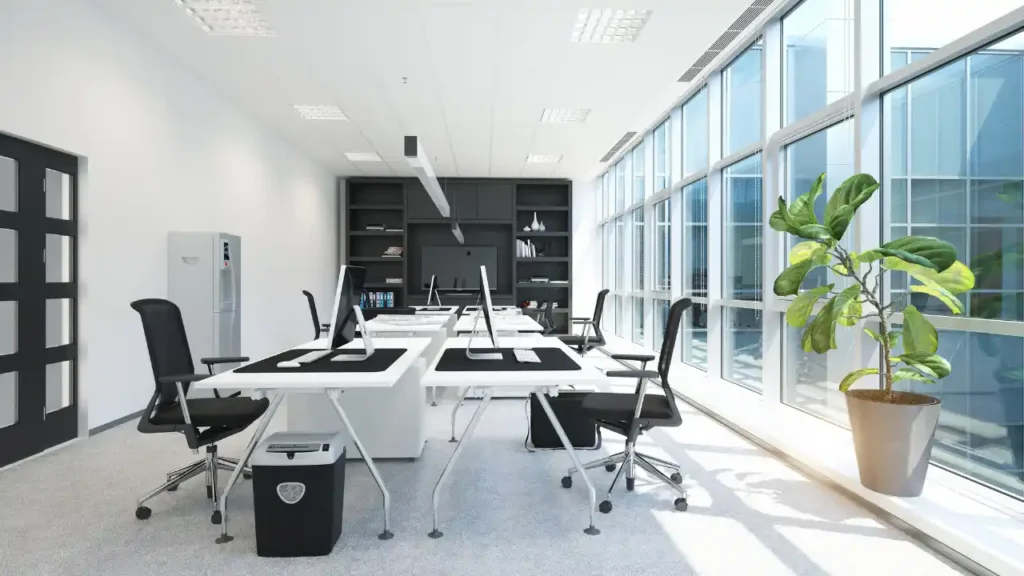
This guide explores practical and stylish home office furniture ideas for small and large spaces, different budgets, interior styles, and work routines.
What Furniture Does Every Home Office Need?
A home office does not need to be filled with furniture. In fact, choosing fewer pieces that serve your actual needs often creates a more comfortable and productive workspace.
A Functional Desk
The desk is usually the main furniture piece in a home office. The best choice depends on how you work and how much space you have.
Popular options include:
- Standard desks
- Standing desks
- Height-adjustable desks
- Floating desks
- L-shaped desks
- Corner desks
- Wall-mounted desks
- Compact writing desks
Before choosing a desk, consider your computer setup, monitor size, paperwork, storage needs, and available floor space.
A desk that looks beautiful but provides too little working space can quickly become frustrating. On the other hand, an oversized desk can make a small room feel crowded.
An Ergonomic Office Chair
A comfortable office chair is one of the most important investments for anyone who spends several hours working at a desk.
Look for features such as:
- Adjustable seat height
- Supportive backrest
- Lumbar support
- Adjustable armrests
- Comfortable seat cushioning
- Easy movement
- A design that works with your desk height
The best chair is not necessarily the most expensive or visually dramatic option. It should fit your body, desk setup, and daily work routine.
Home Office Storage Furniture
Storage helps prevent work materials from taking over the entire room.
Useful home office storage furniture includes:
- Filing cabinets
- Bookshelves
- Closed storage cabinets
- Drawer units
- Storage credenzas
- Rolling storage carts
- Floating shelves
- Built-in cabinets
Closed storage is especially useful for hiding office supplies, cables, paperwork, and technology that can make a workspace look cluttered.
Lighting
Good lighting supports both the appearance and functionality of your workspace.
Consider combining:
- Natural light
- Desk lamps
- Floor lamps
- Ceiling lighting
- Wall-mounted lighting
- Ambient lighting
A layered lighting approach allows the workspace to remain useful throughout different times of the day.
Cable Management
Visible cables can make even an expensive home office look disorganized.
Helpful solutions include:
- Cable trays
- Cable clips
- Built-in desk cable channels
- Charging drawers
- Cable boxes
- Desk organizers
Planning cable management from the beginning is easier than trying to hide a large collection of cables later.
Best Home Office Furniture Ideas for 2026
Choose an Ergonomic Desk and Chair Combination
One of the most important home office furniture ideas is to think about your desk and chair as a system.
Your chair height, desk height, screen position, and arm support should work together.
A comfortable workspace should allow you to:
- Sit comfortably
- Keep your work surface at a practical height
- Position your monitor comfortably
- Move throughout the day
- Reach frequently used items easily
Instead of choosing an ergonomic chair alone, consider the entire setup.
Try a Height-Adjustable Standing Desk
A height-adjustable desk gives you more flexibility throughout the day.
You can alternate between sitting and standing depending on your task and comfort preferences.
Standing desks can work especially well for:
- Long workdays
- Computer-based work
- Shared workspaces
- Flexible routines
- Modern home offices
Compact adjustable desks are also available for smaller rooms, making this option practical beyond large dedicated offices.
Use Slim and Minimal Desk Designs
Large furniture is not always necessary for a productive workspace.
Slim desks can work well in:
- Apartments
- Bedrooms
- Living rooms
- Hallway spaces
- Small home offices
Good options include:
- Narrow desks
- Floating desks
- Wall-mounted desks
- Compact writing desks
These designs can provide a dedicated workspace without dominating the entire room.
Choose Warm Wood Office Furniture
Natural materials can make a home office feel more comfortable and less corporate.
Popular wood options include:
- Oak
- Walnut
- Ash
- Maple
- Wood veneer
A warm wood desk paired with neutral walls and comfortable seating can create a workspace that feels professional while still fitting naturally into a home.
Add Hidden Storage
A visually calm workspace often depends on what is hidden behind closed doors and drawers.
Consider furniture with:
- Desk drawers
- Closed cabinets
- Storage credenzas
- Hidden printer compartments
- Rolling drawer units
- Storage ottomans
Hidden storage is particularly helpful if your home office shares space with another room.
Create a Clutter-Free Desk Setup
A clean desk can make a workspace feel larger and easier to use.
Consider reducing visible clutter with:
- Monitor arms
- Desk organizers
- Cable management
- Hidden charging areas
- Drawer storage
- Vertical monitor stands
You do not need an empty desk. The goal is to keep frequently used items accessible while giving everything else a proper storage location.
Choose Modular Office Furniture
Modular furniture can adapt when your needs change.
This is useful when:
- Two people share an office
- Storage needs increase
- A room has multiple functions
- You move to a different home
- Your work routine changes
Modular shelving, movable storage, and flexible desk systems can provide long-term versatility.
Home Office Desk Ideas
Standing Desk
A standing desk is ideal for people who want flexibility during the workday.
It can work well for:
- Long work sessions
- Modern offices
- Computer-based work
- Flexible work routines
Height-adjustable designs offer more versatility than fixed-height standing desks.
L-Shaped Desk
An L-shaped desk provides a larger work surface and can make good use of a corner.
It is especially useful for:
- Multiple monitors
- Creative work
- Large computer setups
- Paperwork
- Storage-heavy workspaces
This design is generally better suited to medium and large rooms.
Floating Desk
A floating desk attaches directly to the wall and keeps the floor visually open.
It works particularly well in:
- Small rooms
- Apartments
- Minimalist interiors
- Multipurpose spaces
Pairing a floating desk with wall-mounted storage can create a functional office without using much floor space.
Corner Desk
A corner desk can turn an unused area into a practical workspace.
This is a useful solution for:
- Small bedrooms
- Compact offices
- Apartments
- Shared living spaces
Make sure the desk provides enough depth for comfortable computer use.
Wall-Mounted Desk
Wall-mounted desks are useful when a workspace needs to occupy minimal space.
Some designs can even fold away when not in use.
They are particularly useful for:
- Small apartments
- Bedroom offices
- Temporary workspaces
- Multifunctional rooms
Executive Desk
An executive desk usually provides a larger work surface and more visual presence.
It works best in:
- Large dedicated offices
- Traditional interiors
- Storage-focused workspaces
Before choosing one, carefully measure the room and walking space.
Best Home Office Chair Ideas
Ergonomic Mesh Chair
Mesh chairs are popular because they often provide breathable seating and adjustable support.
They can work well for long periods of computer-based work.
Upholstered Office Chair
An upholstered chair can make a workspace feel warmer and more residential.
This option works particularly well when the office is located in:
- A bedroom
- A living room
- An open-concept space
Look for supportive construction rather than choosing based only on appearance.
Adjustable Task Chair
A task chair is designed for regular desk work and often includes adjustable features.
This can be a practical option for people who spend many hours at a desk.
Executive Office Chair
Executive chairs typically have a larger and more substantial appearance.
They can work well in larger home offices but may visually overwhelm small rooms.
Compact Office Chair
Compact chairs are useful for smaller spaces.
They can fit under desks more easily and help maintain clear walking paths.
Minimalist Home Office Chair
A minimalist chair can support a clean and simple workspace.
However, comfort should always come before appearance if you plan to sit in it for long periods.
Best Home Office Storage Furniture Ideas
Bookshelves
Bookshelves can provide both storage and display space.
Use them for:
- Books
- Binders
- Decorative objects
- Baskets
- Frequently used materials
Closed Storage Cabinets
Closed cabinets are one of the best options for reducing visual clutter.
They can hide:
- Paperwork
- Office supplies
- Technology
- Cables
- Printers
A simple storage cabinet can dramatically improve the appearance of a workspace.
Filing Cabinets
Filing cabinets remain useful for people who work with physical documents.
Modern designs are available in styles that blend more naturally with home interiors.
Rolling Storage Units
Rolling storage is flexible and easy to move.
It can be especially useful in shared or multifunctional workspaces.
Floating Shelves
Floating shelves provide vertical storage without taking up floor space.
They are ideal for small home offices.
Avoid overcrowding them with too many decorative objects.
Storage Credenzas
A storage credenza can provide substantial concealed storage while also offering a surface for:
- Printers
- Lamps
- Decorative objects
- Work materials
This option works particularly well in larger offices.
Built-In Cabinets
Built-in storage can maximize available space and create a more integrated appearance.
It is especially useful for dedicated home offices where long-term functionality is a priority.
Home Office Furniture Ideas for Small Spaces
Small spaces require careful furniture planning.
Choose a Floating Desk
Floating desks keep the floor more open and can make a small room feel less crowded.
Use Vertical Storage
Use walls for:
- Shelves
- Cabinets
- Pegboards
- Wall organizers
Vertical storage can reduce the need for additional floor furniture.
Choose Multifunctional Furniture
Useful multifunctional options include:
- Fold-down desks
- Storage ottomans
- Convertible tables
- Rolling storage
- Storage benches
Use a Corner Workspace
Corners are often underused.
A properly sized corner desk can create a dedicated work zone without occupying the center of the room.
Choose Compact Office Chairs
A large executive chair may overwhelm a small room.
Choose a chair that provides comfort while fitting the actual dimensions of the workspace.
Keep the Layout Simple
Small spaces usually benefit from fewer furniture pieces.
Prioritize:
- A functional desk
- A comfortable chair
- Practical storage
Add additional furniture only when space allows.
Home Office Furniture Ideas for Large Rooms
Large home offices provide more opportunities to create different functional zones.
Create Multiple Work Zones
You might include:
- Main desk zone
- Meeting area
- Reading area
- Storage zone
- Video call area
Dividing the room into zones can make a large office feel more organized.
Use a Larger Desk
A larger room can support a bigger work surface.
This can be helpful for people who need:
- Multiple monitors
- Paperwork
- Creative equipment
- Client meetings
Add Comfortable Seating
A lounge chair or small sofa can provide an alternative place for reading or informal work.
Avoid adding seating simply to fill empty space.
Every furniture piece should serve a useful purpose.
Create a Storage Wall
A full storage wall can combine:
- Cabinets
- Shelving
- Books
- Closed storage
This creates a strong visual feature while improving organization.
Shared Home Office Furniture Ideas
A shared workspace requires additional planning.
Use a Long Shared Desk
A long desk can give two people separate work areas while using one wall.
Create Separate Work Zones
Each person should ideally have their own:
- Chair
- Work surface
- Storage area
Choose Individual Ergonomic Chairs
People have different comfort needs, so matching chairs are not always necessary.
Comfort and adjustability should come first.
Add Shared Storage
Use cabinets and shelves for shared office supplies while keeping personal items organized separately.
Plan Cable Management
Shared offices often have more:
- Computers
- Chargers
- Monitors
- Cables
Planning cable management early can prevent the workspace from becoming visually chaotic.
Popular Home Office Furniture Layouts
| Layout | Best For | Space Efficiency | Storage Potential | Overall Feel |
|---|---|---|---|---|
| Desk + Ergonomic Chair | Most home offices | High | Medium | Practical |
| L-Shaped Desk Setup | Large workloads | Medium | High | Professional |
| Floating Desk Setup | Small spaces | Excellent | Medium | Minimal |
| Corner Office Layout | Compact rooms | Excellent | Medium | Efficient |
| Shared Desk Setup | Two people | Good | High | Collaborative |
| Multi-Zone Home Office | Large rooms | Good | High | Flexible |
Home Office Furniture Color Ideas
Warm Neutral Furniture
Warm neutral colors can make a workspace feel calm and comfortable.
Popular choices include:
- Cream
- Beige
- Taupe
- Mushroom
These colors work well with natural wood and textured materials.
Natural Wood Furniture
Wood furniture can create warmth and visual depth.
Popular choices include:
- Oak
- Walnut
- Ash
- Maple
Natural grain can also add texture to a minimalist workspace.
Dark Office Furniture
Dark furniture can create a dramatic and sophisticated appearance.
Examples include:
- Espresso
- Black
- Deep brown
- Charcoal
Balance darker furniture with sufficient lighting, especially in smaller rooms.
Earth-Tone Furniture
Earth tones can add personality without overwhelming the workspace.
Consider:
- Olive
- Clay
- Rust
- Terracotta
These colors can work particularly well as accent furniture.
How to Mix and Match Home Office Furniture
Buying an entire matching office set is not the only option.
Mix Modern and Vintage Pieces
For example, combine:
- A modern desk with a vintage storage cabinet
- Contemporary shelving with an older wood chair
- A minimalist office chair with an antique side table
This can make the office feel more personal.
Combine Wood and Metal
Wood adds warmth while metal can provide structure and contrast.
This combination works well in modern and industrial-inspired interiors.
Combine Upholstery and Wood
A wood desk paired with an upholstered chair can create a more comfortable and residential appearance.
Mix Open and Closed Storage
Open storage is useful for items you access regularly.
Closed storage is better for reducing visual clutter.
Using both creates a balance between accessibility and organization.
Home Office Furniture Ideas by Interior Style
Modern Home Office
Choose:
- Clean-lined desk
- Ergonomic chair
- Functional storage
- Minimal accessories
Keep the design simple and practical.
Organic Modern Home Office
Combine:
- Natural wood
- Soft curves
- Textured upholstery
- Warm neutrals
- Plants
This style can make a workspace feel calm and connected to the rest of the home.
Scandinavian Home Office
Use:
- Light wood
- Simple furniture
- Functional storage
- Natural light
Keep decoration minimal and purposeful.
Minimalist Home Office
Focus on:
- Simple desk
- Concealed storage
- Limited materials
- Clean cable management
Minimalism works best when the workspace remains practical rather than simply empty.
Luxury Home Office
Consider:
- Premium desk
- Comfortable seating
- Solid wood furniture
- Custom storage
- Statement lighting
Luxury does not require filling the room with expensive furniture. Good proportions and high-quality materials can create a refined appearance.
Best Home Office Furniture Layout Ideas
Window-Facing Desk Layout
A desk near a window can provide natural light and a pleasant view.
Be aware of screen glare and position monitors carefully.
Wall-Facing Desk Layout
Facing a wall can reduce visual distractions.
This setup works particularly well in compact offices.
Small Bedroom Office Layout
Use:
- Compact desk
- Comfortable chair
- Vertical storage
Try to keep work materials contained so the bedroom remains relaxing.
Corner Home Office Layout
A corner setup can make efficient use of a small room.
Use vertical shelving above the desk when additional storage is needed.
Living Room Home Office Layout
Choose furniture that blends with the rest of the room.
A wood desk, attractive storage cabinet, and residential-style chair can make the workspace feel less intrusive.
How Lighting Affects Your Home Office Setup
Lighting affects both the appearance and usability of a workspace.
Natural Light
Natural light can make an office feel more pleasant during the day.
Position the desk carefully to reduce monitor glare.
Task Lighting
A desk lamp provides focused lighting for:
- Reading
- Writing
- Detailed work
Adjustable task lighting can be especially useful.
Ambient Lighting
Ambient lighting provides overall illumination and helps prevent the workspace from feeling overly harsh.
Monitor Glare Control
Monitor glare can affect screen visibility.
Consider:
- Desk placement
- Window coverings
- Adjustable monitors
- Indirect lighting
Layered Lighting
Combining ambient and task lighting creates a more flexible workspace.
It also allows the room to remain comfortable when natural light changes throughout the day.
How to Make a Home Office Look More Expensive
You do not need to buy the most expensive furniture.
Instead:
- Choose fewer but better-proportioned pieces
- Invest in a comfortable chair
- Choose a desk that fits the room properly
- Use natural-looking materials
- Improve storage
- Hide cables
- Add layered lighting
- Include one statement piece
- Mix affordable and premium furniture
- Reduce visible clutter
A well-organized office with good proportions often looks more refined than a room filled with expensive but unnecessary furniture.
How to Plan Home Office Furniture Before Buying
Measure the Room
Measure:
- Room length
- Room width
- Ceiling height
- Windows
- Doors
- Walking paths
Also measure the furniture you are considering.
Identify Your Daily Work Routine
Think about whether you primarily do:
- Computer work
- Video meetings
- Writing
- Creative work
- Multiple-monitor work
- Printing
- Client meetings
Your routine should influence the furniture you choose.
Choose the Desk First
The desk is often the main anchor piece.
Once its size and placement are decided, it becomes easier to plan:
- Chair placement
- Storage
- Lighting
- Walking space
Select the Right Chair
Test comfort and adjustability whenever possible.
The chair should fit both your body and desk setup.
Plan Storage Needs
List what you need to store before buying cabinets.
This prevents buying furniture that looks attractive but does not provide enough practical storage.
Plan Cable Management
Consider where you will place:
- Power outlets
- Computers
- Monitors
- Chargers
- Printers
Planning these details early can create a cleaner final result.
Home Office Furniture Ideas for Different Budgets
Budget-Friendly Home Office Furniture
Focus on:
- Simple desks
- Affordable supportive chairs
- Secondhand furniture
- Wall shelves
- DIY organization
- Improved lighting
A small number of carefully selected upgrades can significantly improve an existing workspace.
Mid-Range Home Office Furniture
Consider:
- Adjustable desk
- Quality ergonomic chair
- Durable storage
- Better materials
- Improved cable management
This budget level can provide a good balance between comfort, durability, and appearance.
Luxury Home Office Furniture
Luxury options may include:
- Custom cabinetry
- Premium ergonomic seating
- Solid wood desks
- Integrated storage
- Designer lighting
- Technology-ready furniture
Focus on long-term quality and functionality rather than buying luxury items simply for appearance.
How to Update Existing Home Office Furniture
You may not need to replace everything.
Upgrade Your Office Chair
Replacing an uncomfortable chair can make a significant difference to daily comfort.
Improve Desk Organization
Add:
- Drawer organizers
- Cable trays
- Monitor stands
Add Better Storage
A closed cabinet can reduce visual clutter immediately.
Upgrade Lighting
Better task and ambient lighting can transform the appearance and usability of the room.
Refinish Wood Furniture
Refinishing an existing desk or cabinet can give it a completely new appearance.
Add One Statement Piece
Consider adding one visually interesting item, such as:
- Accent chair
- Unique lamp
- Vintage cabinet
Avoid making every furniture piece a statement.
Common Home Office Furniture Mistakes
Avoid these common problems:
- Buying furniture before measuring
- Choosing a desk that is too small
- Using an uncomfortable chair
- Ignoring ergonomics
- Blocking walking paths
- Adding too much furniture
- Ignoring storage needs
- Leaving cables visible everywhere
- Choosing furniture only because it is trendy
- Ignoring lighting
- Overcrowding small spaces
- Forgetting how the workspace is actually used
The best office setup should support your daily routine first and follow design trends second.
Home Office Furniture Ideas for Different Home Types
Apartment Home Office
Choose compact furniture, vertical storage, and multifunctional pieces.
Studio Apartment Workspace
Use furniture that can visually blend with the living space.
Small House Office
Prioritize efficient storage and properly scaled furniture.
Large Home Office
Create multiple zones for work, meetings, reading, and storage.
Rental-Friendly Home Office
Choose furniture that does not require permanent installation.
Bedroom Home Office
Keep work storage organized so the room can still feel restful.
Living Room Home Office
Choose furniture that complements the existing decor.
Frequently Asked Questions
What furniture should every home office have?
Most home offices need a functional desk, comfortable chair, practical storage, and good lighting. Additional furniture depends on the size of the room and how the workspace is used.
How do I choose home office furniture?
Start by measuring the room and identifying your daily work needs. Choose the desk and chair first, then add storage and additional furniture based on available space.
What is the best desk for a home office?
The best desk depends on your work routine. Standing desks offer flexibility, L-shaped desks provide larger work surfaces, and floating desks work well in small spaces.
What chair is best for working from home?
A chair with a comfortable fit and useful adjustment features is generally a good choice. Consider seat height, back support, arm support, and compatibility with your desk.
How do I furnish a small home office?
Choose compact furniture, vertical storage, multifunctional pieces, and a simple layout. Avoid filling the room with unnecessary furniture.
What furniture makes a home office more productive?
A properly sized desk, comfortable chair, organized storage, and good lighting can all support a more functional workspace.
Should I buy a standing desk?
A standing desk can be useful if you want the flexibility to change positions during the day. A height-adjustable model offers more options than a fixed standing desk.
How can I create a home office in a small apartment?
Use a floating desk, corner workspace, wall-mounted storage, or compact desk. Choose furniture that fits the room rather than trying to recreate a large corporate office.
How much furniture should be in a home office?
Only include furniture that serves a useful purpose. Most workspaces benefit from a desk, chair, storage, and lighting before adding additional pieces.
Is an ergonomic chair worth buying?
If you spend significant time working at a desk, a comfortable and adjustable chair can be a valuable investment.
What is the best storage furniture for a home office?
Closed cabinets, drawer units, bookshelves, filing cabinets, and storage credenzas can all work well. The best choice depends on what you need to store.
How can I hide office clutter?
Use closed cabinets, desk drawers, cable management, and organized storage. Give frequently used items an accessible location while keeping less frequently used materials out of sight.
How do I organize cables in a home office?
Use cable trays, clips, cable boxes, desk channels, and charging stations. Plan where devices and power outlets will be located before arranging furniture.
Can a bedroom also work as a home office?
Yes. A bedroom can include a workspace, especially when space is limited. Compact furniture and organized storage can help maintain separation between work and rest.
Conclusion: Creating a Home Office That Is Comfortable, Productive and Stylish
The best home office starts with understanding how you actually work. A desk should provide enough space for your daily tasks, while a comfortable chair should support your work routine. Storage, lighting, cable management, and furniture layout also play an important role in creating a workspace that remains practical over time.
Small spaces can benefit from floating desks, vertical storage, compact chairs, and multifunctional furniture. Larger rooms provide opportunities for separate work, storage, meeting, and relaxation zones.
Natural materials and warm finishes can make a workspace feel more comfortable and connected to the rest of the home, while concealed storage and cable management help maintain visual calm.
The most successful home office furniture ideas are not simply about following trends. They are about creating a workspace that matches your room, work habits, comfort needs, storage requirements, and personal style.
Ultimately, the right home office should feel comfortable, organized, productive, stylish, and practical for everyday work.
