
Introduction — How the Right Living Room Furniture Can Transform Your Home
Your living room is one of the most important spaces in your home. It is where you relax after a long day, spend time with family, entertain guests, watch television, read, and enjoy everyday life. Because of that, choosing the right furniture can dramatically affect how comfortable, functional, and attractive the entire room feels.
The best living room furniture ideas are not simply about buying the newest sofa or following every interior design trend. A successful living room starts with understanding how you actually use the space.
A family that watches movies every evening may need a large, comfortable sectional. Someone who frequently entertains guests may benefit from a sofa-and-chair conversation layout. A small apartment may require compact, multifunctional furniture with built-in storage.
Furniture also affects visual balance. A sofa that is too large can overwhelm a room, while furniture that is too small can make a large living room feel unfinished. Coffee tables, chairs, rugs, storage, and lighting all work together to create a space that feels intentional.
In 2026, many living room trends are moving toward softer, more personal interiors. Curved and sculptural furniture, warm and darker woods, tactile fabrics, modular seating, and artisan-crafted pieces are all receiving increased attention. However, comfort and everyday usability should still matter more than simply copying a trend.
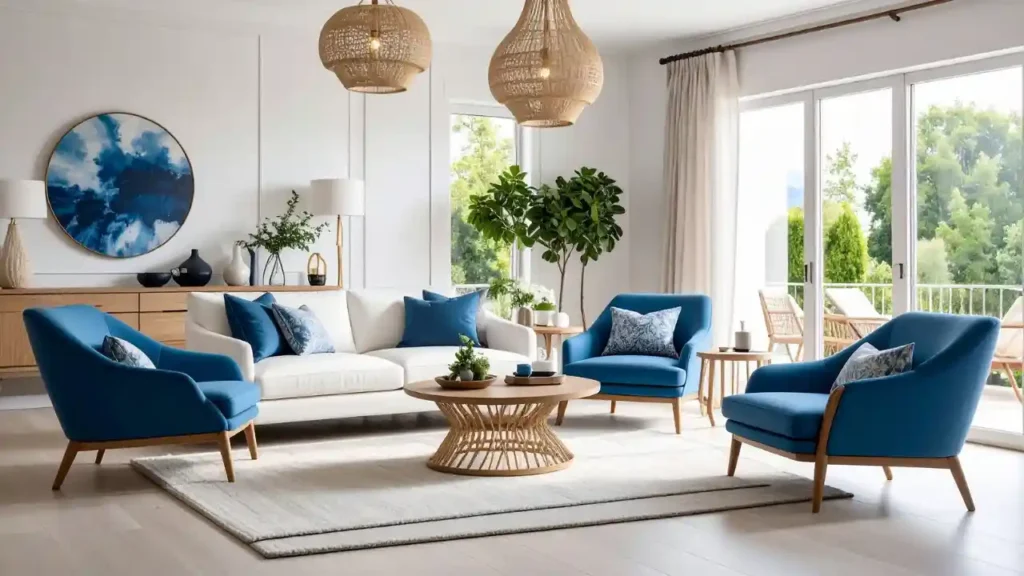
This guide explores practical living room furniture ideas for small and large spaces, different layouts, budgets, interior styles, and everyday needs.
What Furniture Does Every Living Room Need?
Not every living room needs the same furniture. However, most comfortable and functional spaces include a few important categories.
A Comfortable Sofa
For many homes, the sofa is the main anchor of the living room.
It usually occupies the largest amount of visual and physical space, which means its size, style, color, and comfort level influence nearly every other furniture decision.
Common sofa options include:
- Standard sofas
- Sectional sofas
- Modular sofas
- Loveseats
- Sleeper sofas
- Curved sofas
When choosing a sofa, think about more than appearance. Consider how many people use the room, how often the sofa is used, and whether you prefer upright seating or deeper lounging.
A beautiful sofa that feels uncomfortable will eventually become a poor investment.
Comfortable Accent Chairs
Accent chairs can make a living room more flexible and welcoming.
Popular options include:
- Lounge chairs
- Barrel chairs
- Swivel chairs
- Recliners
- Occasional chairs
- Upholstered armchairs
Two chairs opposite a sofa can create a natural conversation area. A single chair can create a reading corner. Swivel chairs can be especially useful in rooms where people want to turn between a television, fireplace, or conversation area.
Coffee Tables
A coffee table provides a central surface for drinks, books, decorative objects, and everyday use.
Popular shapes include:
- Round coffee tables
- Rectangular coffee tables
- Oval tables
- Square tables
- Storage coffee tables
- Nesting tables
The shape should complement the room layout. For example, a round or oval table can improve movement around a compact seating arrangement, while a rectangular table may work well with a long sofa.
Side Tables
Side tables provide convenient surfaces without requiring much floor space.
Place them beside:
- Sofas
- Accent chairs
- Recliners
- Reading chairs
A side table should be easy to reach from the seat it serves. Choosing furniture based on convenience as well as appearance can make a living room feel much more comfortable.
Storage Furniture
Storage is often overlooked until a living room becomes cluttered.
Useful storage options include:
- Media consoles
- Storage cabinets
- Bookcases
- Sideboards
- Storage benches
- Storage ottomans
- Coffee tables with drawers
- Built-in shelving
Closed storage can hide electronics, games, blankets, and everyday items. Open shelving can display books, artwork, and meaningful decorative objects.
A combination of both usually provides the most flexibility.
Flexible Seating
Flexible seating is useful when you occasionally need more places for guests.
Consider:
- Ottomans
- Poufs
- Benches
- Floor cushions
These pieces can often be moved easily when the layout changes.
Rugs and Lighting
Although rugs and lighting are not furniture in the traditional sense, they strongly affect how furniture looks and functions.
A properly sized rug can visually connect a sofa and chairs into one seating area. Lighting can make furniture textures, wood finishes, and upholstery appear warmer and more inviting.
Best Living Room Furniture Ideas for 2026
Create an Outdoor-Living-Room Feeling Indoors
One of the easiest ways to create a comfortable living room is to think about relaxation first.
Choose furniture that encourages people to stay in the room rather than simply admire it.
Consider:
- Deep seating
- Comfortable cushions
- Lounge-style chairs
- Soft throws
- Layered textiles
- Warm lighting
The goal is not to fill the room with furniture. Instead, create an environment where people naturally want to sit, talk, read, and relax.
Curved Sofas and Rounded Furniture
Curved furniture continues to be a noticeable direction in 2026 interiors.
Rounded furniture can include:
- Curved sofas
- Rounded sectionals
- Barrel chairs
- Oval coffee tables
- Round side tables
- Soft-edged ottomans
Curves can soften rooms that contain many straight architectural lines.
However, you do not need to fill the entire room with rounded furniture. One curved piece combined with more structured furniture often creates better visual balance.
For example:
Straight sofa + round coffee table + curved accent chair
This combination creates contrast without making the room feel overly coordinated.
Before buying a curved sofa, measure its widest points. Curved furniture often requires more floor space than a similarly sized straight sofa.
Modular Living Room Furniture
Modular furniture is useful for homeowners who want flexibility.
A modular sofa can often be rearranged into different configurations depending on:
- Guests
- Family activities
- Moving homes
- Changing room layouts
- Open-concept living
Modular seating is especially useful in large rooms where furniture arrangements may change over time.
Comfort and practical flexibility are also increasingly important considerations when choosing sofas in 2026.
Natural Wood Furniture
Wood adds warmth and visual depth to a living room.
Popular options include:
- Walnut
- Oak
- Ash
- Natural visible-grain wood
- Darker wood finishes
- Artisan-style wooden furniture
Current design coverage shows growing interest in darker woods, visible grain, natural variation, and furniture with a stronger sense of craftsmanship.
A walnut coffee table can add contrast to a light sofa. Oak furniture can create a softer Scandinavian or organic-modern appearance.
The best choice depends on the overall palette of your home.
Mix Different Furniture Styles
Perfectly matching furniture sets are not necessary for a cohesive living room.
You can combine:
- Modern sofa + vintage chair
- Contemporary sectional + antique coffee table
- Minimal storage + sculptural lighting
- Upholstered seating + natural wood furniture
The key is to create connections between different pieces.
You can repeat:
- Wood tones
- Upholstery colors
- Metal finishes
- Curved shapes
- Similar proportions
A collected room often feels more personal than a space where every item came from the same furniture collection.
Add One Statement Furniture Piece
A statement piece can give a room personality.
Examples include:
- Sculptural accent chair
- Architectural coffee table
- Oversized sectional
- Unique media cabinet
- Statement lounge chair
You usually need only one or two strong focal pieces.
If every item is visually demanding, the room can quickly feel cluttered.
Choose Comfortable Furniture With Texture
Texture adds depth to a living room, particularly when using neutral colors.
Consider:
- Linen
- Bouclé
- Chenille
- Wool
- Leather
- Textured wood
- Woven materials
Instead of using the same texture everywhere, combine a few different materials.
For example:
Linen sofa + wood coffee table + wool rug + leather chair
This creates visual variety while keeping the overall palette cohesive.
Living Room Sofa Ideas
Standard Sofa
A standard sofa is one of the most versatile choices.
It works well in:
- Apartments
- Small homes
- Medium-sized living rooms
- Flexible furniture layouts
A standard sofa can easily be paired with chairs, an ottoman, or a chaise.
Sectional Sofa
A sectional works particularly well for:
- Families
- Large living rooms
- Open-concept homes
- Television-focused spaces
Before purchasing a sectional, measure carefully.
Pay attention to:
- Overall width
- Chaise direction
- Walking paths
- Doorways
- Distance from the television
- Coffee table placement
A sectional should support the room’s traffic flow rather than block it.
Modular Sofa
A modular sofa is ideal for homeowners who frequently change their furniture layout.
Individual sections can often be moved to create:
- Long sofas
- L-shaped arrangements
- Separate seating
- Conversation layouts
This flexibility can make modular furniture a practical long-term choice.
Curved Sofa
A curved sofa can become the focal point of a living room.
It works especially well in:
- Modern interiors
- Large rooms
- Conversation-focused layouts
- Sculptural interiors
Because curved sofas create softer sightlines, they can make a room feel more relaxed. However, they should not be selected purely because they are fashionable.
Comfort, room size, and everyday use should come first. Some designers also note that highly sculptural curves can be less practical than subtle curved elements depending on how people actually lounge and use the sofa.
Sleeper Sofa
A sleeper sofa is useful for:
- Apartments
- Guest-friendly homes
- Multifunctional living rooms
Look for a model that remains comfortable as a sofa. A sleeper mechanism is useful, but the furniture should still function well every day.
Best Living Room Seating Ideas
Sofa and Two Chairs
This is one of the most balanced living room arrangements.
Place a sofa on one side of the room and two chairs opposite or perpendicular to it.
This layout works well for:
- Conversation
- Families
- Guests
- Medium-sized rooms
Sectional With Accent Chairs
A sectional provides the main seating while accent chairs add flexibility.
This arrangement works especially well when:
- The television is important
- Guests frequently visit
- The room is large
Choose chairs that visually complement the sectional without perfectly matching it.
Four-Chair Conversation Layout
A room does not always need a sofa.
Four comfortable chairs arranged around a central table can create a highly social space.
This works well in:
- Formal living rooms
- Conversation rooms
- Large homes
- Rooms with fireplaces
Sofa With Ottoman Seating
Ottomans can provide:
- Extra seating
- Footrests
- Flexible layout options
Some storage ottomans can also hide blankets and other items.
Flexible Pouf Seating
Poufs are useful for small spaces because they can be moved easily.
They work well when you occasionally need additional seating without permanently adding more large furniture.
Swivel Chairs
Swivel chairs are particularly useful in multifunctional living rooms.
They allow users to rotate between:
- Television
- Fireplace
- Windows
- Conversation areas
This makes them a practical choice in open layouts.
Recliners
Modern recliners are available in much more streamlined designs than traditional oversized models.
A recliner can be useful when comfort is the highest priority.
However, measure carefully because reclining mechanisms require additional space.
Window Seating
If your living room has a large window, window seating can create a useful additional zone.
A comfortable chair near natural light can become a reading corner without requiring major changes to the room.
How to Choose Living Room Furniture
Start With the Room Size
Measure the room before shopping.
Record:
- Length
- Width
- Doorways
- Hallways
- Windows
- Fireplace placement
- Television location
Furniture should fit the room and still leave comfortable walking paths.
Identify How You Use the Room
Ask yourself:
- Do we relax here every day?
- Do we watch television?
- Do we entertain guests?
- Do children use this space?
- Do we read or work here?
- Do we host overnight guests?
Your answers should influence your furniture choices.
A room used primarily for entertaining may prioritize multiple seating options. A family room may prioritize a durable, comfortable sectional.
Choose the Largest Furniture First
In many living rooms, the sofa is the best starting point.
Once you choose it, you can plan:
- Chair placement
- Coffee table size
- Rug size
- Side tables
- Storage
This approach prevents smaller purchases from creating problems later.
Think About Furniture Scale
Scale is one of the most important factors in furniture planning.
A large sectional can overwhelm a compact room.
Several tiny chairs can look disconnected in a large room.
Try to balance:
- Furniture height
- Width
- Visual weight
- Open floor space
Prioritize Comfort
Style matters, but furniture should support everyday life.
Before purchasing major seating, consider:
- Seat depth
- Seat height
- Cushion support
- Back support
- Arm height
- Fabric durability
If possible, test furniture in person before making an expensive purchase.
Living Room Furniture Ideas for Small Spaces
Choose Compact Furniture
Look for furniture with smaller proportions.
Examples include:
- Apartment-size sofas
- Compact chairs
- Narrow media consoles
- Small nesting tables
The goal is not necessarily to buy the smallest possible furniture. Instead, choose pieces that are properly proportioned.
Use Multifunctional Furniture
Multifunctional furniture can reduce clutter.
Consider:
- Storage ottomans
- Sleeper sofas
- Nesting tables
- Storage benches
- Coffee tables with storage
Choose Furniture With Raised Legs
Furniture with visible legs can create a greater sense of open floor space.
This can make a compact room feel visually lighter.
Use Wall-Mounted Storage
Wall-mounted furniture can free up valuable floor space.
Options include:
- Floating shelves
- Wall-mounted media consoles
- Floating cabinets
Use vertical space without covering every wall.
Avoid Too Much Furniture
One of the most common mistakes in a small living room is adding too many small pieces.
A compact sofa, one or two chairs, and a properly sized table may work better than a room filled with multiple small furniture items.
Living Room Furniture Ideas for Large Rooms
Create Multiple Seating Zones
Large rooms can feel empty when furniture is placed only around the walls.
Instead, create zones such as:
- Main conversation area
- Television area
- Reading corner
- Window seating
- Game area
Each zone should have a clear purpose.
Use a Large Sectional
A large sectional can anchor an open room.
Place it away from the wall when possible to create a more intentional furniture arrangement.
Add Multiple Seating Pieces
Large rooms often require more than one sofa.
Consider:
- Sofa + two chairs
- Sectional + lounge chairs
- Two sofas facing each other
Use Large Rugs
A rug that is too small can make a large living room feel disconnected.
The rug should visually connect the main seating pieces.
Living Room Furniture Ideas With a TV
Make the TV the Main Focal Point
If television viewing is the main purpose of the room, arrange major seating around it.
Avoid placing the sofa so far away that comfortable viewing becomes difficult.
Use a Floating Media Console
A floating media console can create a cleaner appearance and free visual space below the television.
It can work particularly well in modern interiors.
Add Closed Storage
Media storage can hide:
- Electronics
- Cables
- Gaming equipment
- Remote controls
Reducing visible clutter can improve the overall appearance of the room.
Living Room Furniture Ideas With a Fireplace
Make the Fireplace the Focal Point
A fireplace can naturally anchor a living room.
Arrange seating around it when conversation and relaxation are the primary goals.
Place Sofas Perpendicular to the Fireplace
This can create a comfortable conversation arrangement.
Accent chairs can complete the seating area.
Balance the TV and Fireplace
If both are important focal points, carefully consider viewing angles.
In some rooms, a television placed above the fireplace may work. In others, placing them on separate walls can provide a more comfortable arrangement.
Popular Living Room Furniture Layouts
| Layout | Best For | Seating Capacity | Space Efficiency | Overall Feel |
|---|---|---|---|---|
| Sofa + Two Chairs | Most homes | Medium | High | Balanced |
| Sectional Layout | Families | High | Medium | Comfortable |
| Sofa Facing TV | Entertainment | Medium | High | Practical |
| Conversation Layout | Socializing | High | Medium | Inviting |
| Small Apartment Layout | Compact spaces | Low to Medium | Excellent | Functional |
| Multi-Zone Layout | Large rooms | Very High | Good | Spacious |
The best layout depends on how you use the room rather than which arrangement looks best in a photograph.
Best Materials for Living Room Furniture
Solid Wood
Solid wood can offer:
- Durability
- Natural character
- Long-term refinishing potential
It works well for:
- Coffee tables
- Side tables
- Storage cabinets
- Bookcases
Wood Veneer
High-quality veneer can provide a beautiful wood appearance while using less solid timber.
The quality of construction matters more than simply whether a piece is labeled solid wood or veneer.
Upholstered Fabric
Fabric sofas and chairs provide many options for:
- Color
- Texture
- Comfort
Consider cleanability and durability before purchasing.
Leather
Leather can create a warm, sophisticated appearance.
It works particularly well with:
- Wood
- Metal
- Natural fabrics
Choose a finish appropriate for your lifestyle because different leather types require different levels of maintenance.
Bouclé and Textured Fabrics
Textured fabrics can add depth to neutral living rooms.
However, mixing different textures usually creates a more balanced appearance than covering every furniture piece in the same material.
Metal
Metal can add contrast through:
- Table legs
- Shelving
- Lighting
- Furniture frames
Matte finishes often blend easily into modern interiors.
Rattan and Cane
Rattan and cane can add natural texture.
They work particularly well in:
- Organic modern interiors
- Coastal interiors
- Scandinavian-inspired spaces
Living Room Furniture Color Ideas
Warm Neutral Furniture
Popular warm neutrals include:
- Cream
- Beige
- Taupe
- Mushroom
- Warm gray
These colors can provide a flexible base for changing accessories over time.
Rich Wood Tones
Walnut, dark oak, and espresso finishes can add visual depth.
Current furniture coverage for 2026 highlights growing interest in richer and darker woods, alongside natural variation and visible grain.
Earth-Tone Furniture
Consider:
- Olive
- Clay
- Terracotta
- Rust
- Caramel
Earth tones can make a living room feel warmer without requiring bright colors.
Dark Furniture
Dark furniture can create contrast.
Options include:
- Charcoal
- Black
- Deep brown
- Navy
Balance darker pieces with lighting and lighter materials to prevent a small room from feeling heavy.
Statement Color Furniture
A single colored furniture piece can become a focal point.
Examples:
- Green sofa
- Burgundy chair
- Blue accent seating
If using a statement color, repeat it subtly elsewhere in the room.
How to Mix and Match Living Room Furniture
Mix Modern and Vintage Pieces
Combining old and new furniture can make a room feel collected.
For example:
- Modern sofa
- Vintage coffee table
- Contemporary lighting
- Antique accessories
Combine Curved and Straight Furniture
A balanced combination might include:
- Straight sofa
- Round coffee table
- Curved chair
This creates contrast and visual interest.
Mix Wood and Upholstery
Wood provides structure and warmth, while upholstery provides softness.
Combining both usually creates a more comfortable and visually layered room.
Repeat Colors
Choose a few colors and repeat them throughout the space.
For example:
- Brown sofa legs
- Walnut coffee table
- Brown lamp base
These small connections can make unrelated furniture pieces feel intentional.
Living Room Furniture Ideas by Interior Style
Modern Living Room
Combine:
- Clean-lined sofa
- Simple storage
- Sculptural chair
- Neutral materials
Organic Modern Living Room
Combine:
- Natural wood
- Curved furniture
- Linen
- Stone
- Earthy colors
Mid-Century Modern Living Room
Combine:
- Wooden furniture
- Tapered legs
- Streamlined sofas
- Vintage-inspired chairs
Mid-century furniture remains popular partly because its streamlined forms and raised-leg designs can work well in many room sizes.
Scandinavian Living Room
Combine:
- Light wood
- Functional furniture
- Simple shapes
- Comfortable textiles
Luxury Living Room
Combine:
- Premium seating
- Natural materials
- Sculptural furniture
- Layered lighting
Luxury does not necessarily mean filling the room with expensive furniture. Good proportions, quality materials, and careful editing can have a major visual impact.
Cozy Living Room
Combine:
- Deep seating
- Warm wood
- Textured fabrics
- Layered lighting
Comfort should remain the main priority.
Best Living Room Furniture Layout Ideas
Conversation Layout
Arrange seating so people can comfortably face one another.
This works well with:
- Sofa + chairs
- Two sofas
- Four chairs
TV-Focused Layout
Place the main sofa facing the television.
Add chairs at angles that still allow people to participate in conversation.
Small Living Room Layout
Choose fewer, properly sized pieces.
Prioritize:
- Sofa
- One or two flexible seats
- Compact table
- Storage
Open-Concept Layout
Use furniture to define different zones.
A sofa can act as a soft divider between:
- Living area
- Dining area
- Kitchen
Floating Furniture Layout
Instead of pushing every item against the wall, place furniture away from the walls when the room allows.
This can create more intentional zones.
Living Room Storage Furniture Ideas
Media Consoles
A media console provides storage while visually anchoring the television area.
Storage Cabinets
Closed cabinets can hide everyday clutter.
They work well for:
- Electronics
- Games
- Cables
- Documents
Bookcases
Bookcases can provide both storage and display space.
Avoid overcrowding every shelf.
Leave some visual space between objects.
Storage Ottomans
Storage ottomans can serve multiple purposes:
- Seating
- Footrest
- Storage
Built-In Storage
Built-in or built-in-looking storage can provide a custom appearance while maximizing wall space.
How Lighting Affects Living Room Furniture
Floor Lamps
Floor lamps can provide light without requiring additional table space.
They work well beside:
- Sofas
- Reading chairs
- Accent seating
Table Lamps
Table lamps add warmth and create smaller pools of light.
Wall Lighting
Wall lighting can highlight:
- Artwork
- Architectural features
- Furniture zones
Layered Lighting
A comfortable living room usually benefits from multiple light sources.
Consider combining:
- Ceiling lighting
- Floor lamps
- Table lamps
- Wall lights
Lighting can change how wood, upholstery, and texture appear throughout the day.
How to Make Your Living Room Look More Expensive With Furniture
You do not need every furniture piece to be expensive.
Focus on:
- Better proportions
- Comfortable seating
- Natural materials
- One statement piece
- Properly sized rugs
- Layered lighting
- Organized storage
Mixing affordable furniture with one or two higher-quality pieces can create a more personal and balanced room.
Common Living Room Furniture Mistakes
Avoid these common problems:
- Buying furniture before measuring
- Choosing a sofa that is too large
- Using a rug that is too small
- Blocking walking paths
- Buying uncomfortable seating
- Adding too many furniture pieces
- Pushing everything against the walls
- Ignoring storage needs
- Buying every piece from one matching set
- Ignoring lighting
- Following trends without considering daily use
The best furniture decisions usually balance appearance with practical needs.
How to Plan Living Room Furniture Before Buying
Measure the Room
Measure the entire room and important architectural features.
Identify the Main Purpose
Decide whether the room is primarily for:
- Relaxing
- Television
- Conversation
- Entertaining
- Family activities
Choose the Largest Furniture First
Usually, this is the sofa or sectional.
Identify the Focal Point
Possible focal points include:
- Television
- Fireplace
- Large window
- Artwork
Plan Traffic Flow
Make sure people can move comfortably between:
- Doors
- Seating
- Storage
- Adjacent rooms
Create a Mood Board
Collect inspiration for:
- Sofas
- Chairs
- Tables
- Rugs
- Lighting
- Storage
- Colors
- Materials
This can help prevent impulse purchases that do not work together.
Living Room Furniture Ideas for Different Budgets
Budget-Friendly Living Room
Focus on:
- Secondhand furniture
- Affordable sofas
- Simple storage
- Lighting upgrades
- One statement piece
Spend carefully on the pieces used most often.
Mid-Range Living Room
Prioritize:
- Durable sofa
- Comfortable chairs
- Better-quality rug
- Functional storage
- Natural materials
Luxury Living Room
A larger budget may allow for:
- Premium seating
- Solid wood furniture
- Custom storage
- High-quality upholstery
- Artisan-made furniture
However, a successful room still depends on layout and proportion.
Living Room Furniture Ideas for Different Home Types
Apartment
Choose:
- Compact sofa
- Multifunctional furniture
- Vertical storage
- Flexible seating
Small House
Focus on:
- Proper furniture scale
- Storage
- Multifunctional pieces
Large Home
Create multiple furniture zones rather than leaving one large empty area.
Studio Apartment
Choose furniture that can support multiple purposes.
A sleeper sofa and storage furniture may be especially useful.
Open-Concept Home
Use furniture and rugs to define zones while maintaining visual connections between spaces.
Rental Home
Prioritize movable furniture and avoid permanent changes unless permitted.
Family Home
Choose durable and comfortable furniture that supports everyday activity.
Before-and-After Living Room Furniture Ideas
Empty Living Room to Comfortable Conversation Area
Start with:
- Sofa
- Two chairs
- Coffee table
- Rug
This creates an immediate functional seating zone.
Small Living Room to Functional Space
Remove unnecessary furniture.
Add:
- Compact sofa
- Storage ottoman
- Wall-mounted storage
Cluttered Living Room to Organized Retreat
Use closed storage for everyday items.
Keep open surfaces less crowded.
Basic Furniture Set to a Collected Interior
Add personality through:
- Vintage furniture
- Sculptural chair
- Textured rug
- Unique lighting
For a stronger people-first article, original photographs, real room measurements, before-and-after examples, and lessons from actual furniture decisions can add meaningful value beyond generic decorating advice.
Related Topics
You can naturally link readers to related articles such as:
- Modern furniture ideas
- High end furniture look for less
- Curved sofa living room layout
- Bouclé accent chair styling ideas
- Mid-century modern accent chairs under $200
- Large floor mirrors for bright living room vibes
- Fluted wood dining table modern
- Sustainable wood furniture brands
- Recycled wood coffee tables for small rooms
- Minimalist floating desk setup
Internal links should help readers find genuinely relevant information rather than being added only for SEO purposes.
Frequently Asked Questions
What furniture should every living room have?
Most living rooms benefit from comfortable seating, a surface such as a coffee table or side table, and storage. The exact furniture depends on room size and how the space is used.
How do I choose living room furniture?
Start by measuring the room and identifying how you use it. Choose the largest furniture piece first, then select supporting seating, tables, storage, and lighting.
What is the best living room furniture layout?
There is no single best layout. A conversation layout works well for entertaining, while a TV-focused layout may work better for family rooms.
How do you arrange furniture in a small living room?
Choose properly proportioned furniture, avoid overcrowding, use multifunctional pieces, and maintain clear walking paths.
What size sofa should I choose?
The sofa should fit the room without blocking traffic or overwhelming other furniture. Measure the room and mark the sofa footprint before buying.
Should living room furniture match?
No. Furniture can complement each other through repeated colors, materials, or proportions without being identical.
What furniture makes a living room look bigger?
Furniture with raised legs, compact proportions, and multifunctional designs can help a room feel less crowded.
How can I make my living room look expensive?
Focus on good proportions, natural materials, comfortable furniture, layered lighting, organized storage, and fewer carefully selected accessories.
What is the best furniture for a small apartment living room?
Compact sofas, nesting tables, storage ottomans, wall-mounted storage, and flexible seating are often useful choices.
How much furniture should be in a living room?
Only enough to support the room’s purpose comfortably. Leave sufficient open space for movement.
How do I arrange furniture around a TV?
Place the primary seating at a comfortable viewing distance and add chairs that allow both television viewing and conversation.
How do I arrange furniture around a fireplace?
Use the fireplace as a focal point and arrange sofas or chairs around it without blocking access to the hearth.
Is curved living room furniture popular in 2026?
Yes. Curved and organic forms remain visible in 2026 furniture coverage, especially in sofas, chairs, and tables. However, designers also emphasize choosing shapes that work for everyday comfort and room function.
What are the biggest living room furniture trends in 2026?
Major themes include sculptural curves, warmer and darker woods, textured upholstery, comfort-focused seating, and more personalized interiors rather than perfectly matching furniture sets.
How can I add more seating without overcrowding my living room?
Use flexible seating such as ottomans, poufs, benches, or lightweight chairs that can be moved when necessary.
Conclusion — Creating a Living Room That Is Comfortable, Stylish and Personal
The best living room furniture ideas start with understanding how you actually live.
A beautiful room is not useful if the seating is uncomfortable, the furniture blocks walking paths, or there is nowhere to store everyday items. Comfort, function, and proportion should guide every major furniture decision.
For most living rooms, the sofa acts as the main anchor. Once you choose the right sofa or sectional, it becomes easier to plan chairs, tables, rugs, lighting, and storage around it.
Small living rooms benefit from multifunctional furniture, compact proportions, vertical storage, and fewer unnecessary pieces. Large rooms can support multiple seating zones and larger furniture, but they still need visual balance.
Natural materials can add warmth and texture. Curved and sculptural furniture can create visual interest. Mixing modern and vintage pieces can give a living room personality.
Current 2026 design directions provide useful inspiration, particularly the interest in softer curves, warmer woods, tactile materials, and more individual interiors. But trends should never be more important than comfort, durability, and everyday usability.
Ultimately, the best living room furniture ideas create a space that feels comfortable, functional, stylish, personal, and enjoyable—whether you are relaxing alone, spending time with family, or welcoming guests into your home.
