
A small patio can be surprisingly difficult to furnish. A sectional that looks perfectly sized in a showroom may leave very little room once you place it against your patio wall, account for a door swing, and add a coffee table.
That doesn’t mean you need to give up on comfortable outdoor seating.
The right outdoor sectional for small patio spaces can actually make a compact area feel more organized because it combines multiple seats into one coordinated piece. The trick is to focus on the overall footprint, depth, configuration, and circulation space rather than simply choosing the smallest sectional you can find.
An L-shaped design can make excellent use of a corner, while a two-piece or modular sectional can give you more flexibility when space is tight.
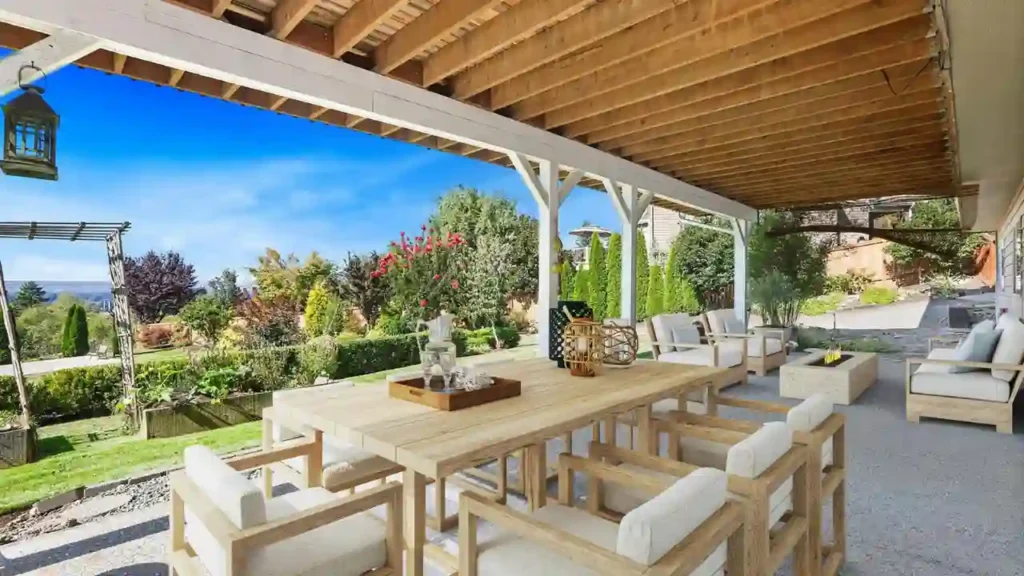
Before buying, measure your patio carefully, consider how you use the space, and choose furniture that leaves enough room for everyday movement.
What Is an Outdoor Sectional for a Small Patio?
An outdoor sectional is a multi-piece seating arrangement designed for exterior spaces such as patios, balconies, decks, and terraces. Unlike a traditional outdoor sofa, a sectional usually combines two or more connected seating sections to create an L-shaped, U-shaped, or modular arrangement.
For a small patio, the configuration matters more than the number of seats.
A compact sectional can use a corner that might otherwise remain empty, while a large U-shaped design can quickly overwhelm a limited footprint.
| Furniture Type | Best For | Space Requirement |
|---|---|---|
| Outdoor loveseat | Very small patios | Low |
| Compact sectional | Small patios | Moderate |
| L-shaped sectional | Corner patios | Moderate |
| Modular sectional | Flexible layouts | Adjustable |
| Large U-shaped sectional | Large patios | High |
For most compact patios, an L-shaped, two-piece, or modular configuration is easier to work with than an oversized sectional.
Why Choose a Sectional for a Small Patio?
Makes Better Use of Corners
Corners are often difficult to furnish with separate chairs and sofas. An L-shaped sectional can turn that unused area into a comfortable seating zone.
This is especially useful when one side of your patio is bordered by a wall or railing.
Provides More Seating in a Compact Footprint
A sectional can combine several seating positions without requiring multiple separate furniture pieces.
Instead of placing a sofa, two chairs, and a table across the patio, you may be able to create a simpler arrangement with one compact sectional and a small table.
Creates a Defined Outdoor Living Area
A sectional naturally establishes a lounging zone. This can make a small patio feel more intentional rather than like a collection of unrelated furniture.
Can Replace Multiple Separate Chairs
Using fewer large furniture pieces can sometimes make a compact patio easier to navigate.
The goal isn’t to maximize the number of seats. It’s to create the most useful seating arrangement within the available space.
Works Well for Apartments and Townhomes
Compact sectional designs can be useful for apartment patios, townhouse patios, and other outdoor spaces where floor area is limited.
For these spaces, shallow-depth furniture and modular designs can provide more flexibility.
Best Outdoor Sectional Configurations for Small Patios
There isn’t one configuration that works for every patio. The best choice depends on the shape of your space and how you use it.
Compact L-Shaped Sectional
An L-shaped sectional is one of the most practical configurations for a small patio.
It works particularly well when you can position the longer section along one wall and the shorter section into a corner.
Best for:
- Corner patios
- Narrow patios
- Two-sided seating
- Maximizing corner space
Avoid placing the sectional in the middle of a narrow patio if doing so creates an awkward walkway.
Two-Piece Outdoor Sectional
A two-piece sectional can be a good choice when a full-size sectional would feel too large.
It can also work well on smaller apartment patios and balconies because the individual pieces may be easier to position.
Best for:
- Very limited patios
- Flexible arrangements
- Apartment patios
- Smaller balconies
Modular Outdoor Sectional
Modular furniture consists of separate seating pieces that can be arranged in different configurations.
This gives you more control over the layout. For example, you might keep the pieces together for everyday lounging and separate them when you need more open floor space.
Best for readers who want:
- Flexible layouts
- Rearrangement options
- Seasonal changes
- Furniture that can adapt to different uses
Armless Outdoor Sectional
Armless pieces can reduce the visual and physical bulk of outdoor seating.
They can be particularly useful when every inch matters, although you should still check the actual dimensions rather than assuming an armless design will automatically fit.
Loveseat-Style Sectional
For extremely compact patios, a loveseat-style sectional may provide the right balance between comfort and size.
This option is worth considering when a standard three- or four-seat sectional would leave too little usable floor space.
How to Choose the Right Size Outdoor Sectional
Size is arguably the most important consideration when furnishing a small patio.
Measure the Patio First
Before looking at furniture, measure the usable area.
Record:
- Overall width
- Overall depth
- Door locations
- Door clearance
- Walking paths
- Railings
- Steps
- Existing furniture
- Permanent planters
- Posts and columns
- Outdoor fixtures
Don’t rely only on the advertised patio dimensions. A portion of the area may already be occupied by doors, stairs, or architectural features.
Leave Enough Walking Space
A patio should remain usable after the furniture is installed.
Think about the path you normally take between the house and the outdoor seating area. If you have to squeeze sideways around the sectional every time you walk outside, the furniture is probably too large for the space.
Consider Door and Gate Clearance
This is an easy detail to overlook.
Make sure the sectional doesn’t interfere with:
- Sliding doors
- French doors
- Exterior doors
- Patio gates
Measure the actual opening and clearance rather than estimating.
Think About the Sectional’s Total Footprint
The listed width and depth aren’t the only things that matter.
Remember to account for:
- Armrests
- Corner pieces
- Back cushions
- Side tables
- Ottomans
- Coffee tables
- Decorative accessories
A sectional may fit on paper but become impractical once everything around it is added.
Outdoor Sectional Size Guide for Small Patios
Use this table as a planning guide rather than a strict measurement rule.
| Patio Size | Suggested Sectional Type | Recommended Approach |
|---|---|---|
| Very small patio | Loveseat sectional | Keep depth compact |
| Small patio | 2–3 piece sectional | Prioritize corner seating |
| Narrow patio | L-shaped sectional | Use the long wall |
| Small apartment patio | Modular sectional | Choose movable pieces |
| Medium-small patio | Compact 3–4 piece sectional | Add a small table |
The correct size depends on more than the patio’s overall dimensions. Door clearance, furniture depth, circulation, and existing features can change what actually works.
Best Materials for a Small Patio Sectional
Outdoor furniture needs to handle conditions that indoor furniture doesn’t encounter. The frame material is important, but it isn’t the only factor that determines durability.
Powder-Coated Aluminum
Aluminum is popular for outdoor furniture because it is relatively lightweight and can be easier to reposition than heavier materials.
A quality protective finish can also help the frame handle outdoor exposure.
It’s particularly useful when you expect to move the sectional around or want a clean, modern appearance.
All-Weather Wicker
Synthetic all-weather wicker can provide a traditional outdoor look while working with a variety of patio styles.
Look for outdoor-rated construction rather than assuming every wicker product is designed for continuous outdoor exposure.
Also consider how easily dirt and debris can collect between the woven sections.
Teak and Other Outdoor Woods
Wood can add warmth and natural character to a patio.
Teak is commonly used in outdoor furniture, but wooden furniture still requires appropriate care. Depending on your preference, you may allow the wood to weather naturally or maintain its original appearance with suitable products.
Always follow the manufacturer’s care recommendations.
Steel
Steel can provide a strong and substantial frame.
However, protective coatings and appropriate maintenance matter because exposed metal can be vulnerable to corrosion.
For outdoor use, check the finish and hardware rather than choosing based on the word “steel” alone.
A Better Way to Judge Outdoor Durability
Don’t evaluate a sectional solely by its frame material.
Also consider:
- Finish quality
- Hardware
- Cushion construction
- Fabric
- Drainage
- UV resistance
- Manufacturer care instructions
- Warranty
Best Cushion and Upholstery Features
The cushions can have a major impact on both comfort and maintenance.
Look for outdoor-rated upholstery designed for the conditions where the sectional will be placed.
Useful features may include:
- UV-resistant fabric
- Solution-dyed fabric
- Removable covers
- Quick-drying construction
- Appropriate cushion drainage
- Outdoor-rated foam
- Durable stitching
- Easy-clean surfaces
Water-Resistant Doesn’t Mean Waterproof
This distinction matters.
A cushion described as water-resistant may tolerate moisture without being designed to remain exposed to heavy rain indefinitely.
If your patio receives frequent rain, check the manufacturer’s instructions for whether cushions should be covered or stored.
Best Colors for a Small Patio Sectional
Color can influence how large or visually heavy a piece feels, although the furniture’s physical dimensions remain the most important factor.
Light Neutrals
Consider:
- Beige
- Sand
- Cream
- Light gray
Light neutral upholstery can blend easily with surrounding walls and flooring.
Medium Gray
Gray works well with many modern outdoor spaces and can coordinate with wood, metal, stone, and neutral accessories.
Earthy Tones
Colors such as taupe, brown, olive, and terracotta can create a warmer outdoor atmosphere.
They work particularly well with natural wood and greenery.
Dark Colors
Charcoal, black, and dark brown can create a sophisticated look.
However, large dark furniture can feel visually heavier in a very small space. If you choose a dark sectional, balance it with lighter flooring, cushions, plants, or surrounding surfaces.
How to Choose an Outdoor Sectional Based on Patio Shape
The shape of the patio should influence the sectional configuration.
Square Patio
A compact L-shaped sectional can work well in a corner.
Pair it with a small round or nesting table rather than a large rectangular coffee table.
Long Narrow Patio
Use the longest wall to your advantage.
A linear or L-shaped arrangement can keep the central walkway more open.
Avoid positioning deep furniture across the narrowest part of the patio.
Corner Patio
A corner is naturally suited to an L-shaped sectional.
Position the sectional along the two available sides and keep the center relatively open.
Balcony-Style Patio
For balcony-like spaces, prioritize:
- Compact depth
- Lightweight or appropriately stable construction
- Modular pieces
- Small side tables
- Easy-to-maintain materials
Avoid oversized furniture that makes the space difficult to access.
Best Outdoor Sectional Layout Ideas for Small Patios
Layout 1: L-Shaped Corner Setup
Place the sectional into one corner and add a small round coffee table.
This creates a defined conversation area while keeping the outer walkway relatively clear.
Layout 2: Sectional Against the Long Wall
For a narrow patio, place the longest side of the sectional along the longest wall.
This can help preserve a clearer path through the space.
Layout 3: Sectional + Small Side Table
If a coffee table makes the patio feel crowded, skip it.
A compact side table can still provide a convenient place for drinks, books, or a small lamp.
Layout 4: Modular Sectional
Use separate modules to create an L-shape when you want one, then separate or reposition them when you need additional floor space.
Layout 5: Sectional + Vertical Garden
Instead of filling the floor with planters, use vertical gardening solutions where appropriate.
This adds greenery without consuming as much usable floor area.
How to Style a Small Patio With a Sectional
A small patio doesn’t need lots of accessories to feel finished.
Start with the sectional and add only the pieces that serve a purpose.
Consider:
- Outdoor rug
- Small coffee table
- Side table
- Throw pillows
- Outdoor blanket
- Planters
- Wall or string lighting
- Privacy screen
Small-Space Styling Rule
Avoid putting too many decorative objects at floor level.
Instead, use:
- Vertical planters
- Wall lighting
- Rail planters
- Hanging decor
- Compact accessories
This helps keep the floor visually and physically clear.
Best Coffee Tables for a Small Patio Sectional
The wrong coffee table can make a well-sized sectional feel oversized.
Round Coffee Table
A round table can make circulation around the seating area easier because it has no sharp corners.
Compact Square Table
A small square table can work well when the sectional is positioned against two walls.
Nesting Tables
Nesting tables can provide flexible surface space without permanently occupying the entire area.
C-Shaped Side Table
A C-shaped table can slide closer to the seating and may eliminate the need for a central coffee table.
Storage Coffee Table
A compact storage table can provide additional function without requiring another storage piece.
Folding Table
A folding table can be useful when you want the ability to clear the floor quickly.
Outdoor Sectional vs. Outdoor Sofa + Chairs
Both arrangements can work in a small patio, but they use space differently.
| Feature | Sectional | Sofa + Chairs |
|---|---|---|
| Corner efficiency | High | Moderate |
| Layout flexibility | Moderate–High | High |
| Number of furniture pieces | Fewer | More |
| Small-space appearance | Can be streamlined | Can feel busier |
| Rearrangement | Depends on design | Easier |
A sectional can simplify the arrangement, while separate seating may give you more flexibility when the patio has an unusual shape.
Choose based on how you actually use the space rather than assuming one configuration is always better.
Modular vs. Fixed Outdoor Sectional
Modular Sectional
Pros:
- Flexible
- Rearrangeable
- Adaptable to different layouts
- Useful when your needs change
Cons:
- Individual pieces can shift
- More components to arrange
- Pieces may require alignment
Fixed Sectional
Pros:
- Stable arrangement
- Simple appearance
- Less daily rearranging
Cons:
- Less flexible
- More difficult to adapt to unusual patio shapes
- Can be harder to reposition
If your patio layout is likely to change, modular seating may be worth considering. If you already know exactly how you want the patio arranged, a fixed sectional can provide a simpler setup.
Weather and Climate Considerations
Outdoor furniture should be selected with your local weather conditions in mind.
Consider:
- Sun exposure
- Rain
- Humidity
- Snow
- Wind
- Coastal air
For Sunny Patios
Look for UV-resistant fabrics and finishes.
Direct sunlight can affect upholstery and some finishes over time, so shade can also be valuable.
For Rainy Areas
Prioritize:
- Good cushion drainage
- Outdoor-rated upholstery
- Removable cushions
- Appropriate frame finishes
Don’t assume a sectional can remain fully exposed year-round simply because it is labeled “outdoor.”
For Windy Patios
Consider appropriately weighted or stable furniture.
If anchoring is possible and appropriate for your patio, follow the manufacturer’s recommendations and local property requirements.
For Humid Environments
Look for corrosion-resistant finishes and hardware designed for outdoor moisture exposure.
Regular cleaning and proper drying can also help extend furniture life.
Maintenance Tips for a Small Patio Sectional
Good maintenance doesn’t need to be complicated.
Clean Cushions Regularly
Remove surface dirt before it becomes embedded in the fabric.
Remove Leaves and Debris
Pay attention to corners, seams, and spaces beneath cushions.
Follow Manufacturer Cleaning Instructions
Different fabrics and finishes require different cleaning methods.
Avoid using harsh cleaners unless they are specifically recommended.
Allow Cushions to Dry Properly
If cushions become wet, allow them to dry completely before storing or covering them.
Inspect Metal Finishes
Check for scratches, exposed areas, or early signs of corrosion.
Tighten Hardware When Needed
Periodically check screws, bolts, and connectors.
Use Protective Covers When Appropriate
Covers can help reduce exposure to dirt, rain, and sunlight, provided they are designed for the furniture and used as directed.
Store Removable Cushions During Severe Weather
If your area experiences storms or extended periods of harsh weather, storing cushions can reduce unnecessary exposure.
Common Mistakes When Buying an Outdoor Sectional for a Small Patio
Mistake 1: Buying by Seat Count Alone
A five-seat sectional isn’t automatically better than a three-seat sectional.
The additional seating may come at the cost of valuable floor space.
Mistake 2: Ignoring Furniture Depth
Width gets most of the attention, but depth can be just as important.
A deep sectional can dramatically reduce the usable area of a narrow patio.
Mistake 3: Forgetting Door Clearance
Don’t place furniture where it interferes with a door or creates an awkward entrance.
Mistake 4: Choosing a Large Coffee Table
A large table can turn a comfortable seating arrangement into a cramped walkway.
Mistake 5: Ignoring Cushion Maintenance
Outdoor cushions still need cleaning, drying, and occasional storage.
Mistake 6: Matching Everything Too Closely
A patio can feel more interesting when the sectional, table, rug, and accessories have some contrast.
Mistake 7: Buying Before Measuring
Never assume a sectional will fit because the product photo makes it look compact.
Measure your actual patio first.
How to Make a Small Patio Feel Bigger With a Sectional
A few design choices can help a compact patio feel more open.
Choose Furniture With Exposed Legs
Visible floor beneath furniture can make the arrangement feel lighter.
Use One Dominant Furniture Color
Keeping the main furniture visually consistent can reduce visual clutter.
Keep Walkways Open
Don’t fill every available area with furniture.
Use a Compact Round Table
Rounded edges can make movement around the seating area easier.
Add Vertical Greenery
Use walls, railings, or vertical structures where appropriate instead of filling the floor with planters.
Use Mirrors Carefully
An outdoor-safe mirror in an appropriate protected location can add visual depth, but make sure it is designed for exterior use and securely installed.
Keep Accessories Limited
A few well-chosen accessories generally work better than a crowded collection of cushions, tables, planters, and decorations.
Choose Furniture Proportional to the Patio
This remains the most important principle.
A visually appealing sectional that is too large will still make the patio uncomfortable.
Outdoor Sectional Ideas for Different Patio Styles
Modern Small Patio
Try:
- Gray sectional
- Black accents
- Minimal table
- Simple planters
- Clean-lined lighting
Cozy Patio
Try:
- Beige sectional
- Soft outdoor textiles
- Warm lighting
- Wood accents
- A compact rug
Boho Patio
Try:
- Neutral sectional
- Textured cushions
- Natural-looking accessories
- Plants
- Warm earthy colors
Japandi-Inspired Patio
Try:
- Natural wood
- Neutral upholstery
- Simple shapes
- Minimal accessories
- Greenery
Contemporary Patio
Try:
- Modular sectional
- Metal accents
- Neutral colors
- Geometric accessories
- Simple lighting
Budget Guide for Small Patio Sectionals
The right budget depends on size, materials, construction, cushions, and brand.
Instead of choosing solely by price, compare what you are getting for the money.
Budget-Friendly
Look for:
- Basic frame construction
- Simple cushion designs
- Smaller configurations
- Straightforward finishes
Make sure the furniture is actually rated for outdoor use.
Mid-Range
You may find:
- More durable materials
- Better cushion construction
- Improved finishes
- Modular configurations
- More upholstery choices
Premium
Premium furniture may emphasize:
- Higher-grade materials
- Refined construction
- Premium outdoor fabrics
- Better hardware
- More detailed finishing
- Longer-term durability considerations
A higher price does not automatically guarantee that a particular sectional is right for your patio. Fit, comfort, materials, and care requirements still matter.
What to Check Before Buying
Use this checklist before placing an order:
- Patio measurements
- Sectional dimensions
- Overall depth
- Seat depth
- Seat height
- Door clearance
- Frame material
- Cushion material
- Fabric rating
- Weather resistance
- Hardware quality
- Warranty
- Return policy
- Assembly requirements
- Cushion storage needs
Also check whether the sectional arrives fully assembled or in multiple boxes. Delivery dimensions can matter if the patio is accessed through a narrow doorway, staircase, or gate.
A Simple 5-Step Decision Framework
Step 1: Measure the Patio
Start with the usable footprint rather than the advertised patio size.
Step 2: Choose the Configuration
Decide whether an L-shaped, modular, two-piece, or loveseat-style sectional makes the most sense.
Step 3: Select Materials
Choose materials and upholstery based on your climate, sun exposure, and willingness to maintain the furniture.
Step 4: Plan Circulation
Make sure doors, walking paths, and access points remain usable.
Step 5: Add Only Necessary Accessories
Finish the space with a compact table, rug, lighting, and a few cushions rather than filling every open area.
Frequently Asked Questions
What size sectional is best for a small patio?
There is no single size that works for every small patio. A compact two- or three-piece sectional is often easier to accommodate than a large configuration, but the right choice depends on the patio’s width, depth, door clearance, and circulation space.
Can you put a sectional on a small balcony?
Yes, provided the furniture is appropriate for the balcony and fits without obstructing access or creating unsafe crowding. Compact modular or loveseat-style configurations can be easier to work with than deep, oversized sectionals.
Always consider the balcony’s structural and building requirements before adding heavy furniture.
Are L-shaped sectionals good for small patios?
They can be particularly useful when a patio has an available corner. The L-shape allows seating to occupy two sides of the space rather than extending across the entire patio.
What is the best material for an outdoor sectional?
The answer depends on climate, exposure, appearance, and maintenance preferences. Aluminum, outdoor-rated synthetic wicker, teak, and coated steel can all be suitable in the right construction. Look at the complete furniture system, including the finish, hardware, cushions, and upholstery.
How much space should you leave around an outdoor sectional?
The amount of space depends on the patio layout and how people move through it. Instead of relying on one universal number, map the walking routes first and make sure doors and frequently used access points remain comfortable to use.
Are modular outdoor sectionals good for small spaces?
They can be useful when flexibility is important. Individual modules can be rearranged to fit different situations, although you should check the dimensions of every module and how securely the pieces connect.
How do I protect an outdoor sectional from rain?
Use furniture designed for outdoor exposure, follow the manufacturer’s care instructions, allow cushions to dry properly, and use appropriate covers or storage when recommended. Don’t assume “outdoor” means the furniture should remain uncovered during every type of weather.
What color outdoor sectional makes a small patio look bigger?
Light neutrals can visually blend with surrounding surfaces and create a lighter appearance, but color cannot compensate for oversized furniture. Proportion, depth, and open circulation are more important.
Small Patio Outdoor Sectional Buying Checklist
Before purchasing, ask:
- Does it physically fit?
- Can I still open the door comfortably?
- Is there enough room to walk around it?
- Is the seat depth comfortable for how I plan to use it?
- Is the frame appropriate for my climate?
- Are the cushions designed for outdoor use?
- Can I clean and maintain the materials easily?
- Does the configuration suit the patio shape?
- Can I move or rearrange the pieces if necessary?
- Does the retailer offer a reasonable return policy?
Final Thoughts
A small patio doesn’t mean you have to give up comfortable outdoor seating.
The right outdoor sectional for small patio spaces should fit the area without dominating it. Instead of shopping by seat count alone, start by measuring the usable footprint, checking door clearance, and considering how people move through the patio.
For many compact spaces, an L-shaped, two-piece, or modular sectional can create a practical seating area while making better use of corners and limited floor space.
Pay attention to frame construction, outdoor-rated upholstery, cushion drainage, weather exposure, and maintenance requirements. Then keep the rest of the setup simple with a compact table, a few comfortable cushions, appropriate lighting, and a small amount of greenery.
The best small-patio setup isn’t necessarily the biggest or most expensive one. It’s the one that fits naturally into the space and makes the patio easier and more enjoyable to use.
