
A small patio can become one of the most inviting areas of your home when the seating is planned around the space you actually have. You do not need a large outdoor sofa, oversized dining table, or collection of bulky furniture to create a comfortable outdoor retreat. With the right proportions, layout, storage, and accessories, even a narrow patio or compact balcony can feel functional and welcoming.
The best small patio seating ideas focus on using every available area thoughtfully while leaving enough room to move around comfortably. A compact bistro set may be ideal for morning coffee, while a loveseat, storage bench, or pair of lounge chairs may work better if relaxation is the priority.
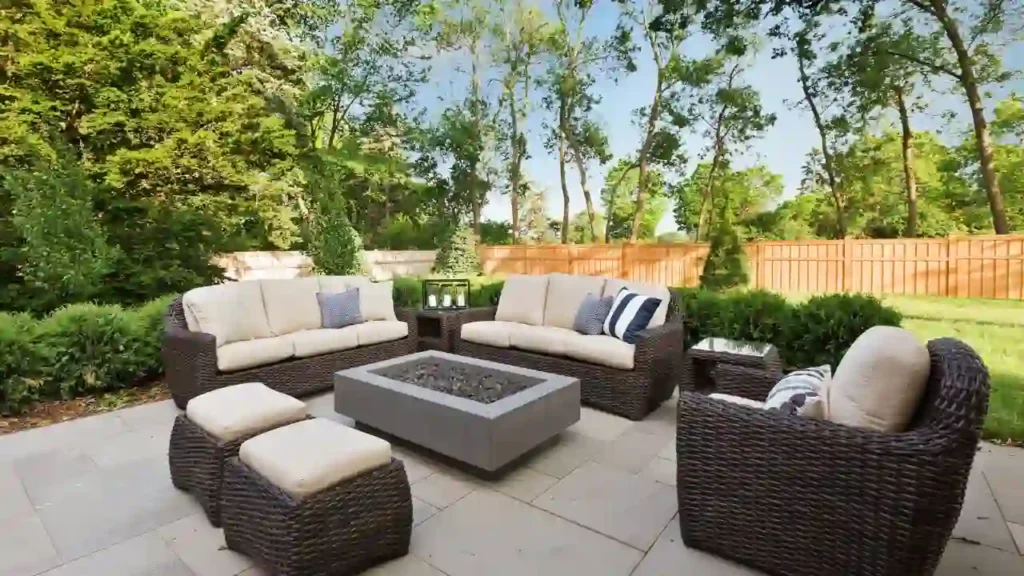
This guide explores practical seating arrangements for small patios, apartments, balconies, and narrow outdoor areas. You will also find furniture selection tips, organization ideas, style inspiration, budget-friendly solutions, and common mistakes to avoid.
Why Small Patio Seating Requires Smart Planning
Limited outdoor space changes the way you need to approach furniture. On a large patio, an oversized sofa or dining set may still leave plenty of room for movement. On a small patio, the same furniture can quickly make the area feel cramped.
The goal is not simply to fit as much seating as possible. Instead, think about how the patio will be used and choose furniture that provides the right balance between comfort, functionality, and floor space.
Several factors matter when planning a compact outdoor seating area:
- Available floor area
- Furniture dimensions
- Walking clearance
- Door clearance
- Seating capacity
- Storage needs
- Weather exposure
- Furniture maintenance
- Overall visual weight
- How often the space will be rearranged
A small patio often benefits from furniture that performs more than one job. A storage bench, for example, can provide seating while hiding cushions and outdoor accessories.
Measure Your Patio Before Buying Furniture
Before shopping, measure the patio carefully. Record the available width, depth, and height, then consider anything that affects furniture placement.
Pay attention to:
- Patio doors
- Door swing
- Railings
- Steps
- Walls
- Existing planters
- Outdoor equipment
- Utility access
- Walking routes
Do not measure only the empty floor. Think about how people will enter and move through the space once furniture is installed.
It is also helpful to mark the approximate furniture footprint on the floor with painter’s tape or removable markers. This gives you a better idea of how much space a chair, loveseat, or table will actually occupy.
Think About How You Will Use the Patio
Your ideal layout depends on what you want to do outdoors.
If you mainly drink coffee outside, two chairs and a small table may be enough. If you enjoy reading, a comfortable lounge chair might make more sense. If you regularly eat outside, prioritize a compact dining arrangement.
Consider whether your patio is mainly for:
- Morning coffee
- Reading
- Relaxing
- Dining
- Entertaining
- Gardening
- Working outdoors
- Spending time with family
Once you identify the main activity, it becomes easier to decide which furniture deserves the limited floor space.
25 Small Patio Seating Ideas for 2026
1. Create a Compact Bistro Seating Area
A compact bistro set is one of the simplest solutions for a small patio. Usually consisting of a small table and two chairs, it provides a dedicated place for coffee, breakfast, conversation, or casual meals without taking up the footprint of a traditional dining set.
A round bistro table can work particularly well where movement around the furniture is important. Folding versions are also useful when you want to clear the patio occasionally.
For apartment patios and balconies, look for a set with dimensions that leave a comfortable path around the seating.
2. Choose a Compact Outdoor Loveseat
A small outdoor loveseat can provide comfortable seating for two while using less space than a full-size outdoor sofa.
Place the loveseat against a wall or along the longest available edge of the patio. Pair it with a small side table rather than a large coffee table to preserve floor space.
When choosing one, pay attention to more than overall width. Deep cushions, wide arms, and large back cushions can significantly increase the visual and physical footprint.
3. Use a Storage Bench for Dual-Purpose Seating
A storage bench is especially useful when every piece of patio furniture needs to earn its place.
It can provide everyday seating while offering hidden storage for:
- Outdoor cushions
- Throws
- Gardening supplies
- Outdoor games
- Small accessories
- Patio maintenance items
A bench positioned along a wall can also keep the middle of the patio relatively open.
Before using the storage compartment for cushions or textiles, check the manufacturer’s guidance regarding ventilation, moisture, and outdoor exposure.
4. Use Folding Patio Chairs
Folding patio chairs are useful when seating requirements change throughout the day.
Keep one or two chairs available for everyday use, then unfold additional chairs when guests arrive. Once entertaining is finished, the chairs can be folded and stored elsewhere.
This approach works particularly well for renters, multipurpose patios, and small balconies where permanent seating for several people would take up too much room.
5. Try Stackable Outdoor Chairs
Stackable chairs provide another flexible seating option. Instead of folding, they can be stored vertically in a compact stack when they are not needed.
This makes them practical for:
- Occasional guests
- Small patios
- Apartment outdoor spaces
- Seasonal storage
- Flexible entertaining
Choose chairs designed for outdoor use and check the manufacturer’s recommended stacking limits.
6. Add a Small Outdoor Bench
A simple outdoor bench can provide several seats without requiring the arm width and depth associated with individual chairs.
Place it against a wall, railing where appropriate, or another edge of the patio. Add a weather-appropriate cushion if additional comfort is needed.
A backless bench can have a particularly light visual appearance, while a backed bench may provide more support for longer periods of sitting.
7. Turn a Corner Into a Cozy Seating Nook
Corners are often underused on small patios. Instead of leaving one empty, turn it into a dedicated seating nook.
A compact corner arrangement might include:
- Small corner bench
- One side table
- Two or three cushions
- Wall-mounted planter
- Compact outdoor light
This arrangement can create a defined destination without spreading furniture across the entire patio.
8. Use a Small Round Table With Two Chairs
A small round table paired with two chairs can create an efficient breakfast or coffee area.
Round tables have no corners projecting into the walking path, which can make movement around a compact arrangement easier in some layouts.
Use the table for:
- Morning coffee
- Breakfast
- Drinks
- Reading
- Casual conversation
Choose the smallest table that comfortably supports the activities you actually plan to do.
9. Try a Compact Outdoor Armchair Pair
Two individual outdoor armchairs can be more flexible than a fixed sofa.
You can place them side by side for conversation, angle them toward each other, or move them apart when the patio is being used for another purpose.
Pair them with a small central table or two narrow side tables. This keeps the arrangement flexible without requiring a large coffee table.
10. Use a Narrow Patio Sofa
If you want sofa-style comfort but have limited space, look for a narrow-profile outdoor sofa.
Compare:
- Overall width
- Seat depth
- Armrest width
- Back height
- Cushion thickness
A sofa that looks compact from the front can still occupy significant space if it is very deep.
For a narrow patio, place the sofa along the longest wall and keep the opposite side relatively open.
11. Create a Minimalist Small Patio
A minimalist patio can feel spacious because it avoids unnecessary furniture and accessories.
Start with one primary seating arrangement and add only the items that serve a purpose.
A simple setup might include:
- Compact loveseat
- Small side table
- Two outdoor cushions
- One planter
- Simple lighting
Choose a consistent color palette and leave some visible floor area around the furniture.
The goal is not to make the patio empty. It is to make every item intentional.
12. Add Outdoor Poufs or Ottomans
Outdoor poufs and ottomans can provide flexible seating without committing to another permanent chair.
Depending on the design, they can also work as:
- Footrests
- Casual side tables
- Extra guest seating
- Decorative accents
Choose products specifically rated for outdoor use, or use them in a covered and protected area according to the manufacturer’s instructions.
13. Use a Bench Along the Patio Wall
A wall-side bench can create seating while keeping the center of the patio available for movement.
Add a cushion for comfort and a small side table for drinks or books.
You can also use the wall above the bench for:
- Planters
- Outdoor artwork suitable for the environment
- Small shelves where appropriate
- Decorative lighting
This creates vertical interest without consuming additional floor area.
14. Choose a Balcony-Friendly Seating Set
A small balcony often requires even more careful planning than a ground-level patio.
Good options may include:
- Folding bistro sets
- Narrow chairs
- Compact loveseats
- Small folding tables
- Appropriately designed balcony furniture
Do not assume that every railing-mounted table or hanging accessory is suitable for every balcony. Follow building rules and manufacturer installation requirements, particularly for anything attached to railings or exterior structures.
15. Create a Cozy Cushion-Filled Seating Area
Cushions can make compact furniture feel more inviting without requiring additional furniture.
Use a combination of:
- Seat cushions
- Back cushions
- Outdoor pillows
- Weather-appropriate textiles
Choose materials designed for the level of outdoor exposure your patio receives. If cushions are removable, storage becomes easier during severe weather or periods of non-use.
Keep the number of pillows under control. On a small patio, too many soft accessories can quickly become clutter.
16. Use a Small Patio Dining Set
If outdoor meals are important, prioritize a compact dining arrangement instead of trying to combine a lounge area and dining area on a tiny patio.
For very small spaces, consider:
- Two-person dining tables
- Bistro tables
- Folding tables
- Compact four-person sets
Measure both the table and the chairs when they are pulled away from the table. The chairs need enough room for people to sit and stand comfortably.
17. Mix Seating With a Small Side Table
A large coffee table is not always necessary.
A small side table beside a chair or loveseat can hold:
- Drinks
- Books
- Phones
- Small plants
- Outdoor lighting
This approach reduces the amount of floor space occupied by a central table while keeping everyday essentials within reach.
18. Use Multifunctional Patio Furniture
Multifunctional furniture is particularly valuable in compact outdoor spaces.
Consider:
- Storage benches
- Convertible tables
- Ottomans
- Folding tables
- Benches with removable cushions
- Seating that doubles as storage
Instead of asking only, “How much seating does this provide?” ask, “What else can this piece do?”
A piece that provides seating and storage may be more practical than two separate pieces that perform those jobs individually.
19. Create a Small Boho Patio Seating Area
A small patio can still have a relaxed boho-inspired character.
Use:
- Natural textures
- Woven seating
- Outdoor cushions
- A compact rug
- Potted plants
- Warm decorative lighting
The key is restraint. Rather than layering every available accessory, select a few complementary pieces.
Natural textures can provide visual warmth while keeping the furniture arrangement simple.
20. Design a Modern Small Patio
For a modern outdoor space, choose furniture with clean silhouettes and relatively simple detailing.
Consider:
- Neutral upholstery
- Straight furniture lines
- Simple metal frames
- Composite or outdoor-rated materials
- Minimal accessories
A consistent palette can help different pieces look like part of the same design even when the patio is small.
21. Add a Small Outdoor Lounge Chair
Sometimes one excellent chair is enough to turn a tiny patio into a useful retreat.
A lounge chair can create a personal reading or relaxation area when paired with:
- Small side table
- Outdoor cushion
- Compact planter
- Suitable lighting
This can be especially effective when the patio is used primarily by one person.
22. Use Built-In Patio Seating
Built-in seating can make efficient use of unusual patio dimensions.
Potential configurations include:
- Corner benches
- Wall-to-wall benches
- L-shaped seating
- Storage benches
- Custom-fit cushions
Built-in furniture requires more planning than movable furniture. Account for drainage, weather exposure, access for cleaning, and future maintenance before construction.
If the patio is part of a rental property, permanent modifications may also require permission.
23. Create a Privacy-Friendly Seating Nook
A small patio can feel more comfortable when the seating area has some visual separation from surrounding spaces.
Possible options include:
- Privacy screens
- Tall planters
- Trellis panels
- Outdoor curtains where appropriate
- Plants
Avoid blocking required exits, airflow, drainage, or natural light. For balconies and shared buildings, also check applicable rules before installing screens or exterior fixtures.
24. Add a Small Outdoor Rug Under the Seating
An outdoor rug can visually define a seating zone without adding another piece of furniture.
Choose a rug that is proportional to the furniture and appropriate for outdoor exposure.
It can help visually connect:
- Chairs
- Loveseat
- Side table
- Planters
Avoid choosing a rug so large that it consumes most of the available patio floor.
25. Keep the Patio Layout Flexible
A compact patio benefits from furniture that can move when your needs change.
Useful options include:
- Lightweight chairs
- Folding furniture
- Stackable seating
- Modular pieces
- Small movable tables
A flexible layout can serve different purposes throughout the week. For example, the same patio can function as a quiet reading area on weekdays and accommodate additional guest seating on weekends.
Small Patio Seating Ideas by Space Type
Small Apartment Patio Seating
Apartment patios often require furniture that is compact, lightweight, and easy to reposition.
A small bistro set, folding chairs, compact loveseat, or narrow bench can work well depending on the available dimensions.
Prioritize furniture that does not permanently consume the entire floor. Vertical storage and foldable pieces can be especially useful when storage is limited.
If you rent, avoid drilling, permanent construction, or railing modifications unless you have permission.
Small Balcony Seating
Balcony furniture needs to account for both floor space and building requirements.
A compact bistro arrangement is often practical, while a single lounge chair may be enough for a personal relaxation area.
Keep doors, access routes, and required clearances unobstructed. Any furniture or accessory attached to a railing should be appropriate for that specific application and installed according to manufacturer and building requirements.
Small Backyard Patio Seating
A small backyard patio usually gives you more freedom than a balcony, but furniture scale still matters.
Consider:
- Compact loveseat
- Outdoor bench
- Two lounge chairs
- Small dining set
- Corner seating
Use planters or a small outdoor rug to define the seating area without filling every section of the patio.
Narrow Patio Seating
For a long, narrow patio, place furniture along one side or at the far end instead of spreading pieces across the entire width.
A narrow bench, compact sofa, or two slim chairs can work well.
The key is to preserve a usable path from one end to the other.
Tiny Patio Seating
When space is extremely limited, start with the essentials.
A practical tiny patio might contain:
- One or two chairs
- Small table
- One planter
- Compact lighting
- Minimal storage
Do not try to recreate a large outdoor living room in a space designed for only a few pieces of furniture.
Small Patio Seating Ideas by Style
Modern Small Patio Seating
Modern patio seating often works well in small spaces because streamlined furniture can have a relatively simple visual appearance.
Consider neutral colors, clean lines, compact metal frames, and minimal accessories.
Minimalist Small Patio Seating
A minimalist patio focuses on function and restraint.
Choose only the seating and accessories you actually use. Keep the floor visible and avoid unnecessary decorative pieces.
Cozy Small Patio Seating
Create coziness through texture rather than quantity.
Use:
- Comfortable cushions
- Outdoor pillows
- Warm lighting
- A small rug
- One or two plants
Keep the furniture footprint controlled.
Boho Small Patio Seating
A boho-inspired patio can use woven textures, natural materials, cushions, plants, and relaxed seating.
Keep the color palette coordinated so the small area does not become visually overwhelming.
Scandinavian-Inspired Patio Seating
Use simple furniture, lighter colors, natural textures, and functional accessories.
A compact wooden or neutral-toned seating arrangement can create a clean and relaxed appearance.
Rustic Small Patio Seating
Rustic seating can feature wood textures, natural finishes, simple benches, and comfortable outdoor textiles.
Choose materials based on actual outdoor exposure rather than appearance alone.
How to Arrange Seating on a Small Patio
Keep a Clear Walking Path
Avoid positioning furniture where it blocks the patio door or creates a narrow passage.
The exact clearance you need depends on the furniture and how the patio is used, so test the arrangement before finalizing it.
Push Furniture Toward the Edges
Using walls and corners can help preserve open floor space.
A sofa against the longest wall or a bench positioned along one edge can leave the center available for movement.
Create a Conversation Zone
If the patio is primarily for conversation, arrange seating so people can comfortably face one another.
Two chairs angled toward a small table can work better than placing every chair against the same wall.
Keep Tables Proportional to Seating
A large coffee table can consume valuable space.
Choose a table that supports the activities you actually need rather than selecting one simply because the patio has room for it.
Leave Some Open Floor Space
Open space is useful for movement and makes it easier to reposition furniture.
A small patio does not need to be filled completely to feel finished.
Best Small Patio Furniture for Limited Space
| Furniture Type | Space Requirement | Best For | Main Advantage |
|---|---|---|---|
| Bistro set | Very low | Couples | Combines dining and seating |
| Folding chairs | Low | Flexible seating | Easy to store |
| Bench | Low to medium | Wall seating | Provides multiple seats |
| Loveseat | Medium | Relaxing | Comfortable seating for two |
| Lounge chair | Low | Solo relaxation | Flexible placement |
| Storage bench | Medium | Small patios | Seating plus storage |
| Pouf | Very low | Casual seating | Flexible multifunctional use |
| Narrow sofa | Medium | Lounging | More seating comfort |
There is no single furniture type that works for every small patio. The right option depends on your available dimensions, preferred activity, storage situation, and desired seating capacity.
How to Choose Furniture for a Small Patio
Measure Before Buying
Check more than the advertised furniture width.
Measure:
- Patio width
- Patio depth
- Furniture width
- Furniture depth
- Furniture height
- Door clearance
- Walking space
- Space required to pull out chairs
If possible, map the furniture footprint on the floor before purchasing.
Consider Furniture Proportions
Two sofas with the same width can feel very different in a small patio.
A deep sofa with broad arms may consume significantly more space than a streamlined model with a shallower seat.
Look at the complete dimensions rather than relying on product photos.
Choose Weather-Appropriate Materials
Common outdoor furniture materials include:
- Powder-coated metal
- Aluminum
- Teak
- Outdoor-rated wood
- Resin
- Synthetic wicker or resin wicker
Material performance depends on climate, direct sun, moisture, temperature changes, maintenance, and product construction.
Always check the manufacturer’s care instructions and whether the furniture is intended for the level of exposure your patio receives.
Think About Storage
Ask where everything will go when it is not being used.
Consider:
- Cushion storage
- Folding chair storage
- Seasonal furniture storage
- Outdoor accessory storage
- Severe-weather protection
If storage space is limited, prioritize furniture that folds, stacks, or provides built-in storage.
How to Make a Small Patio Feel Bigger
You cannot physically increase the size of a patio, but you can make the space feel more open.
Use Appropriately Scaled Furniture
Oversized furniture can make a compact patio feel crowded. Choose pieces that provide enough comfort without dominating the floor.
Keep the Center Open
Where possible, arrange furniture around the edges and leave a visible area of floor in the middle.
Use Vertical Planters
Plants positioned vertically can add greenery without consuming as much floor space as large freestanding planters.
Choose Coordinated Colors
A limited color palette can create visual continuity between furniture, cushions, rugs, and accessories.
Avoid Excessive Furniture
If two chairs provide enough seating for everyday use, there may be no reason to keep four permanent chairs on the patio.
Use Visually Lightweight Pieces
Furniture with slim frames or open bases can sometimes make a small space feel less visually heavy.
Keep Pathways Clear
An unobstructed route makes the patio easier to use and can improve its overall sense of openness.
Use Lighting Strategically
Rather than adding several large lamps or fixtures, use compact lighting to define the seating zone and provide appropriate illumination after dark.
Small Patio Seating With Storage
Storage is especially valuable when the patio has limited room.
Storage Benches
A storage bench combines seating with hidden storage and can work particularly well against a wall.
Outdoor Storage Boxes
A compact storage box can protect cushions and accessories when designed for outdoor use.
Check its ventilation, water resistance, and manufacturer instructions before storing moisture-sensitive items.
Ottomans With Hidden Storage
A storage ottoman can serve as seating, a footrest, and a place to keep small items.
Built-In Bench Storage
If you are designing permanent seating, the space underneath the bench can potentially be used for storage.
Plan access carefully so stored items remain easy to retrieve.
Foldable Furniture Storage
Folding chairs and tables can be stored against a wall, inside a suitable storage area, or in another protected location when not needed.
Small Patio Seating Ideas on a Budget
A stylish patio does not necessarily require a complete matching furniture collection.
Start With One Good Seating Piece
Instead of buying several inexpensive pieces at once, begin with the seating item you will use most.
That could be:
- Comfortable chair
- Compact loveseat
- Bench
- Bistro set
Build the rest of the patio around it.
Mix Chairs Instead of Buying a Full Set
Two complementary chairs can sometimes provide more flexibility than purchasing a complete outdoor set.
You can add a small table later when needed.
Use Secondhand Furniture Carefully
Secondhand outdoor furniture can be useful, but inspect it carefully.
Look for:
- Structural damage
- Rust
- Cracks
- Loose joints
- Damaged finishes
- Mold or persistent moisture problems
Check whether replacement cushions or parts are available before committing to a piece.
Refresh Existing Furniture With Outdoor Cushions
If your existing seating is structurally sound, new outdoor cushions or covers can change its appearance without replacing the furniture.
Choose materials suitable for the environment and follow care instructions.
Add Plants Instead of Excessive Decor
A few carefully placed plants can bring color and texture to a patio without requiring many decorative objects.
Use appropriately sized planters so they do not consume the walking area.
Use Simple Outdoor Lighting
Compact string lights, lanterns, or appropriately rated outdoor fixtures can help establish an inviting atmosphere without adding bulky furniture.
Small Patio Seating Mistakes to Avoid
Buying Furniture Before Measuring
Never assume a piece will fit because the product photo makes it look compact.
Check the actual dimensions.
Choosing Oversized Sofas
Deep cushions and wide arms can consume more room than expected.
Choose based on the full footprint.
Blocking the Patio Door
Furniture should not make entering and leaving the home difficult.
Using Too Many Chairs
Permanent guest seating may not be necessary if guests visit only occasionally.
Consider folding or stackable chairs instead.
Ignoring Storage
Cushions, pillows, and outdoor accessories need somewhere to go.
Plan storage before adding more textiles.
Choosing Indoor Furniture for Unprotected Outdoor Use
Indoor furniture may not be designed for outdoor moisture, sunlight, temperature changes, or other environmental conditions.
Use furniture according to its intended application.
Adding Too Many Accessories
A small patio can quickly become cluttered with excessive pillows, plants, lanterns, rugs, and decorations.
Add accessories gradually.
Forgetting Drainage and Weather Exposure
Water accumulation can affect both furniture and textiles.
Think about drainage, roof coverage, sunlight, wind, and rainfall when planning the arrangement.
Ignoring Maintenance Requirements
Every material requires some level of care.
Consider how often you are willing to clean, cover, store, or refinish the furniture.
Sacrificing Comfort for Appearance
A beautiful chair that is uncomfortable may not get much use.
Whenever possible, consider seat depth, back support, cushion firmness, and overall proportions before choosing furniture.
How to Make Small Patio Seating More Comfortable
Comfort does not necessarily require larger furniture.
Start with seating that has appropriate dimensions for the people who will use it.
Then consider:
- Outdoor cushions
- Supportive back cushions
- Appropriate seat height
- Footrests
- Shade
- Outdoor rugs
- Throw pillows
- Side tables
- Suitable evening lighting
Avoid adding so many cushions and accessories that the seating becomes difficult to use or store.
The best setup balances physical comfort with practical maintenance.
Small Patio Seating Accessories
| Accessory | Purpose | Best For |
|---|---|---|
| Outdoor cushions | Adds comfort | Chairs and benches |
| Outdoor rug | Defines seating area | Patios and balconies |
| Side table | Holds drinks and essentials | Chairs and loveseats |
| Planters | Adds greenery | Small patios |
| Privacy screen | Creates separation | Exposed patios |
| Outdoor lighting | Adds evening illumination | Seating areas |
| Storage box | Protects accessories | Small patios |
| Throw pillows | Adds style and comfort | Lounge seating |
Accessories should support the way you use the patio rather than simply fill empty space.
How to Create a Cozy Small Patio Seating Area
A cozy patio is usually the result of thoughtful layering rather than having lots of furniture.
Follow this simple approach:
- Start with appropriately sized seating.
- Add one practical table.
- Use comfortable outdoor cushions.
- Define the seating area with a suitable outdoor rug if space allows.
- Add one or two plants.
- Introduce subtle outdoor lighting.
- Remove anything that does not contribute to comfort or function.
For example, a small loveseat with two cushions, a narrow side table, one plant, and soft lighting may feel more inviting than a crowded patio filled with multiple chairs and accessories.
Small Patio Seating for Entertaining
If you occasionally host guests, flexible seating can be more useful than permanent seating for a large group.
Consider:
- Folding chairs
- Stackable chairs
- Poufs
- Ottomans
- Lightweight stools
- Expandable tables
Keep everyday furniture compact and bring out additional seating only when needed.
This preserves valuable floor space while still allowing the patio to accommodate more people when necessary.
Small Patio Seating Shopping Checklist
Before purchasing furniture, check each of these items:
- Measure the patio
- Measure door clearance
- Check the available walking space
- Compare furniture dimensions
- Consider seating capacity
- Confirm outdoor suitability
- Check cushion materials
- Plan for storage
- Consider maintenance requirements
- Choose practical lighting
- Add only necessary accessories
Taking measurements before shopping can prevent one of the most common small-space furniture problems: buying a piece that technically fits but leaves the patio difficult to use.
Small Patio Seating FAQ
What is the best seating for a small patio?
The right seating depends on the available dimensions and how you plan to use the patio. Bistro sets, compact chairs, benches, loveseats, and lounge chairs can all work well when their dimensions match the space.
For dining, a compact bistro set may be practical. For relaxing, a loveseat or lounge chair may be more appropriate.
How do I maximize seating on a small patio?
Use furniture that provides seating without consuming unnecessary floor space. Benches, corner seating, folding chairs, stackable chairs, and multifunctional furniture can all help.
You can also keep occasional guest seating stored away until it is needed.
What furniture is best for a tiny patio?
Start with compact furniture such as one or two chairs, a small bistro table, a narrow bench, or a folding set.
The best option is the one that supports your primary activity while preserving enough space to move around.
How do I make my small patio cozy?
Use a small amount of comfortable outdoor furniture, then layer in cushions, one or two plants, appropriate lighting, and possibly an outdoor rug.
Avoid adding so many accessories that the patio becomes difficult to move through or maintain.
Can I put a sofa on a small patio?
Yes, provided the sofa’s dimensions are appropriate for the available space.
Measure the sofa’s full width and depth, then account for walking space and access to doors. A compact loveseat or narrow outdoor sofa may be more suitable than a deep sectional.
How do I arrange furniture on a narrow patio?
Place the largest seating piece along the longest wall or edge when possible. Keep the opposite area open enough for movement.
A narrow bench, compact loveseat, or slim chairs can work well depending on the patio dimensions.
What type of table works best on a small patio?
Bistro tables, compact round tables, folding tables, and small side tables are common space-conscious options.
Choose based on what you actually need the table for. A coffee table is unnecessary if a small side table provides enough surface for drinks and personal items.
How can I add seating without making my patio crowded?
Use flexible pieces such as folding chairs, stackable chairs, poufs, stools, or compact benches.
Store occasional seating when it is not needed instead of keeping every chair permanently on the patio.
How do I store patio cushions in a small space?
A suitable storage bench, outdoor storage box, or other manufacturer-approved storage solution can help.
If cushions are exposed to significant moisture, follow the manufacturer’s recommendations for drying and storage rather than assuming a storage box is completely moisture-proof.
How do I make a small patio look bigger?
Choose furniture that is proportional to the space, keep the center relatively open, use vertical greenery, coordinate colors, maintain clear pathways, and avoid unnecessary furniture.
Visually lightweight furniture can also help the patio feel less crowded.
Final Thoughts
A small patio does not need a large furniture collection to become a comfortable outdoor room. The most successful small patio seating ideas begin with the available dimensions and the way the space will actually be used.
Start by measuring the patio and identifying your main priority. If you enjoy outdoor meals, a compact bistro set may be enough. If relaxation is more important, consider a loveseat, lounge chair, or comfortable bench. If storage is limited, multifunctional furniture can make better use of the available footprint.
Use corners and walls strategically, keep pathways open, manage cushions and accessories carefully, and avoid filling every available inch.
Most importantly, design the patio around your real lifestyle rather than trying to copy a large outdoor space from a photograph. A few appropriately sized pieces, comfortable seating, practical storage, and carefully chosen accessories can turn even a tiny patio into a space you genuinely want to use.
