
Small rooms do not have to feel cramped, cluttered, or uncomfortable. The right furniture for small spaces can make a limited footprint work harder while preserving comfortable movement, useful storage, and a sense of openness.
The key is not simply buying the smallest furniture you can find. A tiny sofa may save a few inches but feel uncomfortable, while a slightly larger storage ottoman could replace both a coffee table and extra seating. Good small-space design comes down to fit, function, comfort, proportion, and flexibility.
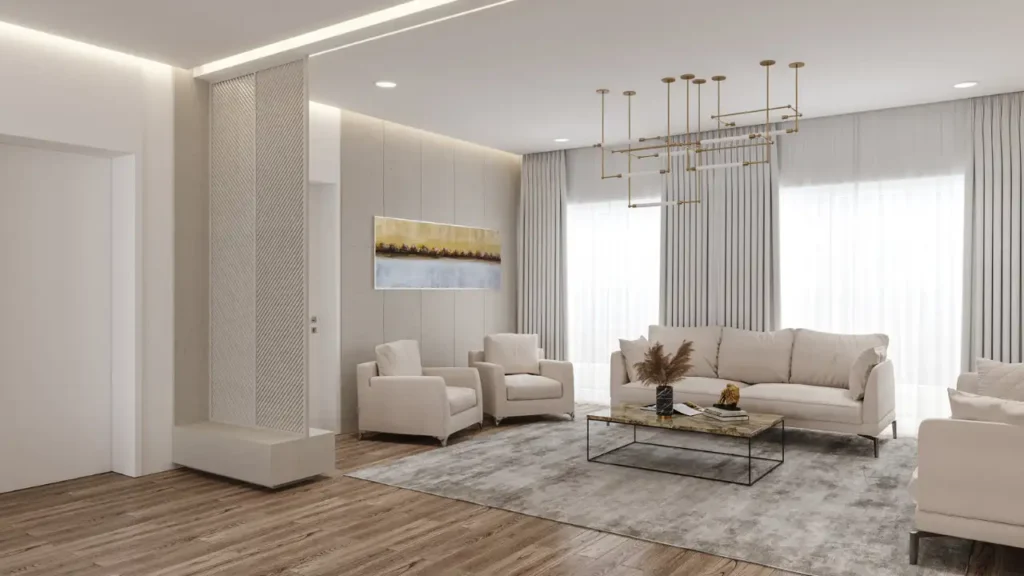
Whether you’re furnishing a studio apartment, compact bedroom, small living room, guest room, or home office, these 25 ideas can help you choose furniture that works with your available space rather than fighting against it.
What Is Furniture for Small Spaces?
Furniture for small spaces is designed or selected to work efficiently where floor area is limited. It can include compact pieces, multifunctional furniture, folding designs, expandable tables, storage-integrated furniture, modular pieces, and furniture that uses vertical or otherwise underused space.
The best options generally solve a specific problem without creating another one.
For example, a storage bed can eliminate the need for a separate storage unit, while a drop-leaf table can provide dining space without permanently occupying the footprint of a full-size table.
Small-Space Furniture vs. Simply Small Furniture
Small furniture and smart small-space furniture are not necessarily the same thing.
A narrow chair might fit into a tight corner, but if it is uncomfortable and rarely used, it may not be a good use of space. Similarly, a very small dining table might save floor area but provide insufficient room for the people who regularly use it.
The better question is:
How much useful function do I get from the space this furniture occupies?
That question helps you prioritize furniture that earns its place.
What Makes Furniture Work Well in a Small Room?
Consider five factors before buying:
- Size: Does it physically fit?
- Function: Does it solve a real need?
- Comfort: Can you use it comfortably every day?
- Accessibility: Can you reach drawers, doors, shelves, and moving parts?
- Proportion: Does it look appropriately scaled for the room?
A successful small room balances all five.
25 Best Furniture Ideas for Small Spaces
1. Apartment-Size Sofa
A properly scaled apartment-size sofa can provide comfortable everyday seating without dominating a small living room.
Look beyond overall width. Sofa depth, arm thickness, seat height, and back profile can significantly affect how much space the piece occupies.
Before purchasing, measure the intended wall and check the sofa’s full dimensions. Then measure doorways, hallways, elevators, and corners along the delivery route.
Best for: Small living rooms, apartments, condos, and studios.
Watch for: A sofa that is technically narrow but unusually deep or difficult to deliver.
2. Storage Ottoman
A storage ottoman can combine several functions in one footprint. Depending on its construction, it can serve as a footrest, occasional seat, coffee-table alternative, or hidden storage container.
Choose a firm, stable top if you plan to use it as a surface. If children or pets will use it as seating, also consider its weight capacity and construction.
Best for: Small living rooms and multipurpose spaces.
Main benefit: One piece can replace several smaller items.
Trade-off: Storage capacity is usually limited compared with a cabinet or chest.
3. Lift-Top Coffee Table
A lift-top coffee table provides a practical surface for laptops, meals, writing, or other activities while keeping storage underneath.
The important measurement is not just the table’s closed footprint. Check how far the top lifts and whether the mechanism interferes with nearby seating.
Best for: Living rooms that also function as workspaces.
Watch for: Lift mechanisms that make the table awkward to access or use when raised.
4. Nesting Tables
Nesting tables consist of multiple smaller tables designed to fit together when they’re not needed.
They provide additional surfaces for drinks, snacks, books, or guests without requiring several full-size tables to remain spread around the room.
Best for: Small living rooms and flexible entertaining areas.
Main benefit: Several surfaces can occupy a relatively compact footprint.
Trade-off: Individual tables are smaller than conventional side tables.
5. Storage Bed
A storage bed makes use of the area beneath the mattress for drawers, compartments, or lift-up storage.
This can be especially useful in bedrooms without generous closets.
When comparing models, check whether drawers can open fully and whether other furniture will interfere with access. For lift-up designs, consider how much clearance is required to raise the platform.
Best for: Small bedrooms, apartments, and rooms with limited closet space.
6. Sleeper Sofa
A sleeper sofa combines everyday seating with a sleeping surface, making it useful when a separate guest bed is impractical.
However, check both the sofa’s normal footprint and its fully opened dimensions.
You should have enough space to convert it without moving several other pieces of furniture every time someone stays over.
Best for: Studios, guest rooms, and multipurpose living rooms.
Trade-off: Sleeper mechanisms can add weight and depth.
7. Drop-Leaf Dining Table
A drop-leaf table can remain relatively compact when you don’t need a large dining surface and expand when required.
Before choosing one, measure both configurations. The expanded table needs enough room for chairs and comfortable movement around it.
Best for: Small dining areas and apartments.
Main benefit: Flexible footprint.
8. Extendable Dining Table
An extendable dining table works similarly but typically expands using leaves or another extension mechanism.
This is useful if you normally eat with one or two people but occasionally host more guests.
Always measure the table at its maximum length, not just its everyday configuration.
Best for: Small dining rooms and multipurpose dining spaces.
Trade-off: The extension mechanism may increase weight or complexity.
9. Wall-Mounted Folding Desk
A wall-mounted folding desk can create a temporary workspace without requiring a permanent full-size desk footprint.
It can work in bedrooms, studio apartments, and multipurpose rooms.
Check the mounting requirements, desktop depth, working height, and available legroom. Renters should also check their lease before making permanent wall modifications.
Best for: Occasional home offices and compact workspaces.
10. Floating Desk
A floating desk eliminates traditional desk legs, creating a visually lighter workstation and leaving more open floor beneath it.
Consider the wall’s construction and the desk’s stated load capacity before installation. Cable management also matters because loose cables can quickly make a compact workspace look cluttered.
Best for: Small bedrooms and home offices.
Watch for: Insufficient desktop depth or unsuitable wall construction.
11. Narrow Console Table
A narrow console table can provide useful surface and storage space without taking as much floor area as a conventional cabinet or table.
Depending on the design, it can work in an entryway, behind a sofa, or along a narrow wall.
Some expandable console tables can also become larger dining surfaces.
Best for: Entryways, living rooms, and compact dining areas.
12. Multifunctional Storage Bench
A storage bench can combine seating with concealed storage.
Place one in an entryway for shoes and bags, at a dining table for flexible seating, or beneath a window where its proportions make sense.
Pay attention to seat height, depth, lid or drawer access, and the space needed to walk around it.
Best for: Entryways, bedrooms, dining areas, and window spaces.
13. Daybed With Storage
A daybed can function as a sofa-like seating area during the day and a sleeping surface when needed.
Adding drawers or under-bed compartments makes the piece even more useful in compact rooms.
This can be particularly practical in guest rooms that need to serve another purpose most of the time.
Best for: Guest rooms, studios, and multipurpose bedrooms.
14. Modular Sectional Sofa
Modular sofas consist of individual pieces that can sometimes be rearranged into different configurations.
This flexibility can be valuable if you expect your layout to change or if you’re furnishing a home where room arrangements may evolve.
However, modular does not automatically mean compact. Measure the total footprint of the configuration you intend to use.
Best for: Flexible living rooms and people who expect to rearrange their space.
Trade-off: Multiple modules can still consume substantial floor area.
15. Compact Accent Chair
A compact accent chair can add another comfortable seat without the visual and physical bulk of a large lounge chair.
Look at arm width, seat depth, back height, and overall footprint.
A chair with slim arms can sometimes provide more usable seating width within a similar external width.
Best for: Small living rooms, bedrooms, reading corners, and home offices.
16. Storage Coffee Table
When a living room lacks drawers or cabinets, a coffee table with integrated storage can help keep everyday items contained.
Options include:
- Lift-top designs
- Drawer coffee tables
- Shelf-based tables
- Compartmented designs
Choose based on what you actually need to store rather than simply selecting the table with the most compartments.
17. Nesting Stools
Nesting stools can provide extra seating or temporary surfaces without requiring every seat to remain around the room.
When not needed, smaller stools can slide beneath larger ones or another suitable piece of furniture.
Best for: Small living rooms, studio apartments, and occasional entertaining.
18. Ladder Desk
A ladder desk combines a workspace with vertical shelving.
Instead of spreading storage and a desk across separate areas, the design uses vertical space above the workstation.
This can be especially useful in bedrooms and compact offices.
Best for: Students, remote workers, and small bedrooms.
Watch for: Shelf height, desk depth, chair clearance, and stability.
19. Bookcase Room Divider
A bookcase can separate zones in a studio apartment while also providing storage.
Open shelving can preserve some visual connection and light flow, while closed storage can hide clutter.
If the bookcase is tall or freestanding, follow the manufacturer’s anchoring guidance and consider stability carefully.
Best for: Studios and open-plan small homes.
20. Folding Dining Chairs
Folding chairs are useful when full-time seating isn’t necessary.
You can keep a small number of chairs available for daily use and bring out additional chairs when guests arrive.
The key is having a practical place to store the folded chairs. Otherwise, the furniture may simply relocate the clutter instead of solving it.
Best for: Occasional entertaining and compact dining areas.
21. Extendable Console-to-Dining Table
A console-to-dining table is designed to occupy a small footprint in its compact form and expand into a larger dining surface when needed.
This can be particularly useful in studios where the same area may serve several purposes throughout the day.
Before buying, check the table’s dimensions in every configuration and determine where the additional leaves or components are stored.
Best for: Studios, small dining rooms, and occasional hosting.
22. Murphy Bed
A Murphy bed, or wall bed, folds vertically or horizontally into a wall-mounted or integrated cabinet system when not in use.
When closed, the room can potentially function as an office, living area, or other multipurpose zone.
Measure the wall, ceiling, opening clearance, and mattress requirements carefully. Installation requirements also vary by system.
Best for: Studios, guest rooms, and multipurpose rooms.
Trade-off: Installation is more involved than buying a conventional bed.
23. Trundle Bed
A trundle bed provides an additional sleeping surface beneath the main bed.
It can be useful in children’s rooms, shared bedrooms, or guest rooms where another full-time bed would consume too much floor space.
Make sure there is enough unobstructed floor space to pull the trundle completely out.
Best for: Guest rooms and shared bedrooms.
24. Multifunctional Kitchen Island
A compact kitchen island can combine preparation space, storage, seating, and informal dining.
The right dimensions depend heavily on the kitchen layout. Instead of choosing an island solely because it looks compact, map the surrounding work areas and circulation paths first.
A portable island can also provide flexibility for renters.
Best for: Small kitchens with enough surrounding clearance.
25. Compact Entryway Cabinet
A narrow entryway cabinet can organize shoes, bags, keys, accessories, and other daily essentials.
Choose a depth that works with the hallway and make sure cabinet doors or drawers don’t obstruct a major walking route.
Vertical storage can provide useful capacity without spreading furniture farther across the floor.
Best for: Small entryways, apartments, and narrow hallways.
Best Furniture for Different Small Rooms
Different rooms require different strategies. Furniture that works well in a small bedroom may not be appropriate for a compact living room.
Furniture for Small Living Rooms
Consider:
- Apartment-size sofa
- Storage ottoman
- Lift-top coffee table
- Nesting tables
- Compact accent chair
- Wall-mounted shelving
The goal is to establish comfortable seating while keeping the central circulation area usable.
Furniture for Small Bedrooms
Consider:
- Storage bed
- Floating nightstands
- Narrow dresser
- Wall-mounted desk
- Storage bench
Prioritize the bed first because it is usually the largest and most functionally important item.
Furniture for Small Dining Areas
Consider:
- Drop-leaf dining table
- Extendable table
- Folding chairs
- Bench seating
- Console-to-dining table
Flexible dining furniture is particularly useful when the room serves another purpose outside mealtimes.
Furniture for Small Home Offices
Consider:
- Floating desk
- Ladder desk
- Wall-mounted folding desk
- Compact office chair
- Vertical shelving
The workspace should remain comfortable enough for its actual use. Saving floor space is not worthwhile if the desk is too shallow or the chair prevents proper working posture.
Furniture for Studio Apartments
Studios benefit from furniture that can serve multiple purposes without visually overwhelming the room.
A sleeper sofa, Murphy bed, compact dining table, storage bench, or open bookcase divider can help create separate functions within one room.
Multifunctional Furniture for Small Spaces
Multifunctional furniture can be more useful than simply buying smaller furniture because it allows one footprint to support multiple activities.
The important question is whether those functions are genuinely useful in your daily routine.
Storage + Seating
Examples include:
- Storage ottomans
- Storage benches
- Storage beds
These pieces can reduce the need for separate seating and storage furniture.
Work + Storage
Examples include:
- Ladder desks
- Floating desks with shelves
- Wall-mounted desks
These designs can combine a workstation with vertical or integrated storage.
Dining + Workspace
Examples include:
- Drop-leaf tables
- Extendable tables
- Console-to-dining tables
These options can allow one surface to serve different purposes throughout the day.
Sleeping + Living
Examples include:
- Sleeper sofas
- Murphy beds
- Daybeds
These are particularly useful when a room must function as both a living area and sleeping space.
How to Choose the Right Furniture for a Small Space
Choosing furniture should begin with measurements rather than shopping.
Measure the Room First
Record:
- Room length
- Room width
- Ceiling height
- Doorway dimensions
- Hallway dimensions
- Window locations
- Radiators and vents
- Existing fixtures
- Electrical outlets where relevant
A simple floor plan can help you understand how much usable space remains after fixed features are accounted for.
Measure the Furniture
Check more than the advertised width.
Important dimensions include:
- Overall width
- Overall depth
- Overall height
- Seat height
- Seat depth
- Extended dimensions
- Folded dimensions
- Drawer-opening dimensions
- Door-opening dimensions
For convertible furniture, measure the piece in every position you’ll actually use.
Check Walking Clearance
A small room needs functional circulation just as much as it needs furniture.
Avoid treating a single clearance number as a universal rule. The right amount of space depends on the room’s function, furniture type, traffic pattern, and accessibility requirements.
Instead, physically map the main routes through the room and make sure doors, drawers, chairs, and convertible mechanisms can operate without creating conflicts.
Check Delivery Dimensions
Furniture needs to fit more than its final location.
Before ordering a large sofa, bed, cabinet, or table, check:
- Front door
- Interior doors
- Hallways
- Staircases
- Elevator
- Building entrances
- Tight corners
A piece that fits perfectly inside the room is still a poor purchase if it cannot reach that room.
How to Make Small Rooms Feel Larger With Furniture
Furniture cannot physically increase a room’s square footage, but certain choices can make the space feel more open and visually balanced.
Choose Furniture With Visible Floor Area
Furniture with raised legs can expose more of the floor underneath, which may create a lighter visual appearance.
This does not mean every piece should have legs. Use the approach where it complements the room’s style and cleaning needs.
Use Furniture With Appropriate Scale
Avoid both extremes.
Oversized furniture can overwhelm a compact room, while furniture that is too small can create an awkward, under-furnished layout.
The goal is appropriate proportion, not simply minimum dimensions.
Use Vertical Space
When floor space is limited, look upward.
Consider:
- Tall bookcases
- Vertical cabinets
- Wall-mounted shelves
- High storage
- Ladder-style furniture
Vertical storage can help keep everyday belongings off the floor and surfaces.
Avoid Blocking Windows
Try to avoid placing tall furniture directly in front of important windows unless the layout requires it.
Keeping natural light pathways open can help a small room feel brighter and less visually enclosed.
Limit Visual Clutter
A compact room generally benefits from intentional furniture selection.
Instead of filling every available corner, decide which activities the room must support and choose pieces accordingly.
Furniture Layout Ideas for Small Spaces
Small Living Room Layout
Try an apartment-size sofa along the primary wall with nesting tables or a compact coffee table in front. A storage ottoman can provide additional seating or surface space while wall storage keeps some belongings off the floor.
Studio Apartment Layout
A sleeper sofa or Murphy bed can provide sleeping functionality without requiring a permanently dedicated bedroom footprint.
Pair it with a compact dining/work table and vertical storage. An open bookcase can help define zones without completely closing off the room.
Small Bedroom Layout
Start with the bed and determine the most practical circulation route.
A storage bed can provide additional capacity, while floating nightstands and a narrow dresser reduce the need for bulky bedside and storage furniture.
Small Home Office Layout
A floating desk paired with vertical shelving can concentrate work and storage along one wall.
Choose the office chair based on actual working needs rather than selecting the smallest chair available.
Small Dining Area Layout
Use a drop-leaf or extendable table when the dining area has multiple purposes.
Folding chairs can provide additional seating when needed, while a narrow cabinet can supply storage without consuming excessive floor area.
Small Space Furniture Comparison
| Furniture Type | Best For | Main Function | Space Benefit | Main Trade-Off |
|---|---|---|---|---|
| Storage Ottoman | Living rooms | Seating + storage | Replaces multiple pieces | Limited storage volume |
| Sleeper Sofa | Studios/guest rooms | Seating + sleeping | Dual purpose | Can be heavier |
| Storage Bed | Bedrooms | Sleeping + storage | Uses under-bed area | Access can vary |
| Drop-Leaf Table | Dining areas | Dining/work | Compact when folded | Smaller everyday surface |
| Nesting Tables | Living rooms | Surface space | Stackable | Individual tables are smaller |
| Floating Desk | Offices | Work | Frees floor area | Requires suitable wall |
| Murphy Bed | Studios/guest rooms | Sleeping | Frees floor when closed | Installation required |
| Modular Sofa | Flexible layouts | Seating | Reconfigurable | Can still be large |
Furniture for Small Spaces on a Budget
A small-space furniture budget should focus on value rather than simply choosing the lowest-priced products.
Prioritize High-Use Pieces
Put more consideration into furniture you use every day, such as:
- Mattress
- Everyday sofa
- Dining chair
- Desk chair
Comfort, durability, fit, and function matter more than simply getting the lowest purchase price.
Buy Pieces With Multiple Functions
A well-designed multifunctional piece can sometimes replace two separate items.
For example, a storage ottoman may provide seating, a footrest, surface space, and hidden storage.
However, only count functions that you will actually use.
Consider Secondhand Furniture
Secondhand furniture can be useful when the dimensions and condition are right.
Inspect:
- Structural condition
- Joints
- Drawers and hinges
- Odors
- Moisture damage
- Upholstery condition
- Pest concerns
- Cleaning requirements
- Transportation dimensions
Measure the piece yourself whenever possible rather than relying entirely on the seller’s description.
Avoid Buying Furniture Just Because It Is Cheap
An inexpensive piece can become expensive in practical terms if it doesn’t fit the room, feels uncomfortable, breaks quickly, or cannot perform the function you need.
For small homes, a wrong-size purchase can also consume valuable space while making the entire room harder to use.
Renter-Friendly Furniture for Small Spaces
Renters can often benefit from furniture that provides flexibility without requiring permanent changes.
Useful options include:
- Freestanding shelving
- Storage ottomans
- Folding desks
- Narrow cabinets
- Modular furniture
- Freestanding room dividers
- Portable kitchen islands
Wall-mounted furniture can also be useful, but renters should check their lease and obtain permission when required before making permanent changes.
When possible, prioritize pieces that can move with you to your next apartment.
Common Small-Space Furniture Mistakes
Buying Furniture Before Measuring
Never assume that a piece will fit because its product photos look compact.
Measure both the furniture and the room.
Choosing the Smallest Possible Sofa
The smallest sofa isn’t automatically the best sofa.
Consider seating capacity, depth, comfort, and how frequently the sofa will be used.
Ignoring Furniture Depth
Width gets most of the attention, but depth can have an equally important effect on circulation.
A narrow but very deep cabinet can still consume substantial floor area.
Forgetting Expanded Dimensions
Always measure furniture in its active configuration.
This is particularly important for:
- Extendable tables
- Sleeper sofas
- Drop-leaf tables
- Folding furniture
- Murphy beds
Blocking Doors and Walkways
Furniture should not interfere with essential movement.
Check door swings, drawers, chair movement, and pathways before finalizing the layout.
Buying Too Many Multifunctional Pieces
Multifunctionality is useful only when the functions are relevant.
If every piece converts, folds, opens, extends, and stores something, everyday use can become unnecessarily complicated.
Sacrificing Comfort for Space
A successful small room should still be comfortable.
Don’t choose a desk that is too shallow, a chair that is uncomfortable, or a sofa that doesn’t provide enough seating simply to save a small amount of floor space.
How to Create a Small Space Furniture Plan
Use this simple process before buying:
- Measure the room.
- Identify the room’s primary function.
- List essential furniture.
- Identify pieces that can serve multiple purposes.
- Measure doors and delivery paths.
- Map the main walking routes.
- Select appropriately scaled pieces.
- Use vertical space for additional storage.
- Test the layout before purchasing.
- Leave room for future changes.
You can create a simple floor plan using paper, removable tape on the floor, or a digital room-planning tool. The goal is to visualize the furniture footprint before spending money.
Furniture Styles That Work Well in Small Spaces
Small-space furniture doesn’t have to look utilitarian. The right style can make a compact room feel intentional and cohesive.
Modern Small-Space Furniture
Modern furniture often uses clean silhouettes and relatively simple profiles.
Look for pieces that provide the required function without unnecessary visual bulk.
Minimalist Furniture
Minimalist interiors typically focus on fewer, more intentional pieces.
This can work particularly well in small rooms because reducing unnecessary furniture naturally leaves more usable space.
Scandinavian Furniture
Scandinavian-inspired furniture often combines practical forms with lighter visual proportions.
Simple shapes, useful storage, and flexible pieces can work well in apartments and compact homes.
Mid-Century Modern Furniture
Mid-century modern pieces often feature clean lines and elevated legs.
The exposed space beneath some designs can create a lighter appearance, although the actual footprint still needs to fit the room.
Organic Modern Furniture
Soft curves and natural materials can add warmth to compact rooms.
Use curved furniture selectively, however. A rounded shape can look beautiful but still require substantial floor space.
Frequently Asked Questions
What is the best furniture for small spaces?
There is no single best piece for every small room. The right furniture depends on the room’s dimensions, activities, storage needs, household size, and preferred layout.
In general, furniture that combines useful functions while maintaining comfort and appropriate proportions can be particularly practical.
What furniture saves the most space?
Furniture that folds, expands, converts, stacks, mounts to a wall, or incorporates storage can help use limited floor area more efficiently.
Examples include Murphy beds, drop-leaf tables, nesting tables, storage beds, floating desks, and sleeper sofas.
How do I choose furniture for a very small apartment?
Start by measuring the apartment and identifying the activities each area needs to support.
Then prioritize essential furniture, multifunctional pieces, vertical storage, and furniture with dimensions that preserve comfortable circulation.
Don’t forget to measure the delivery path before ordering large pieces.
Is multifunctional furniture worth it?
It can be, particularly when the functions match your daily routine.
A sleeper sofa makes sense if you need occasional sleeping space. A lift-top coffee table makes more sense if the living room doubles as a workspace.
Multifunctionality becomes less useful when features are rarely used or make the furniture difficult to operate.
What sofa is best for a small living room?
Look for a sofa that fits the room’s scale while providing enough seating and comfort for the people who will use it.
Check width, depth, arm thickness, seat depth, and delivery dimensions rather than focusing only on the overall width.
How can I fit more furniture into a small room?
Don’t make maximum furniture density the goal.
Instead, prioritize essential functions, maintain usable circulation, add vertical storage, and choose pieces that can perform multiple roles when those roles are genuinely useful.
Should furniture in a small room be the same color?
It doesn’t have to be.
Coordinated colors can create a visually cohesive room, while carefully chosen contrast can add personality and definition. The more important consideration is avoiding unnecessary visual fragmentation and maintaining a balanced overall palette.
Final Thoughts
The best furniture for small spaces is not necessarily the smallest furniture available. It is furniture that makes intelligent use of limited square footage while preserving comfort, accessibility, storage, and everyday usability.
Start with measurements. Identify what the room needs to do. Choose essential pieces first, then look for opportunities to combine functions through storage beds, sleeper sofas, expandable tables, floating desks, nesting furniture, and other flexible designs.
Most importantly, don’t try to fill every available inch.
A successful small home has enough furniture to support the way you live, enough open space to move comfortably, and enough flexibility to adapt when your needs change. When fit and function come before quantity, even a compact room can feel practical, stylish, and genuinely comfortable.
