
Quiet luxury is less about showing how much a room costs and more about making every furniture choice feel intentional.
The look usually combines timeless silhouettes, refined proportions, natural materials, warm neutral colors, comfortable upholstery, subtle detailing, and enough negative space for each piece to breathe. Instead of filling a room with ornate furniture or recognizable branding, quiet luxury focuses on pieces that feel elegant, useful, and appropriate for the space.
That makes quiet luxury furniture ideas useful for many different homes and budgets. You do not need a designer furniture collection to create the look. A well-proportioned sofa, natural wood table, comfortable accent chair, restrained storage cabinet, and carefully chosen textiles can create a sophisticated interior without excessive decoration.
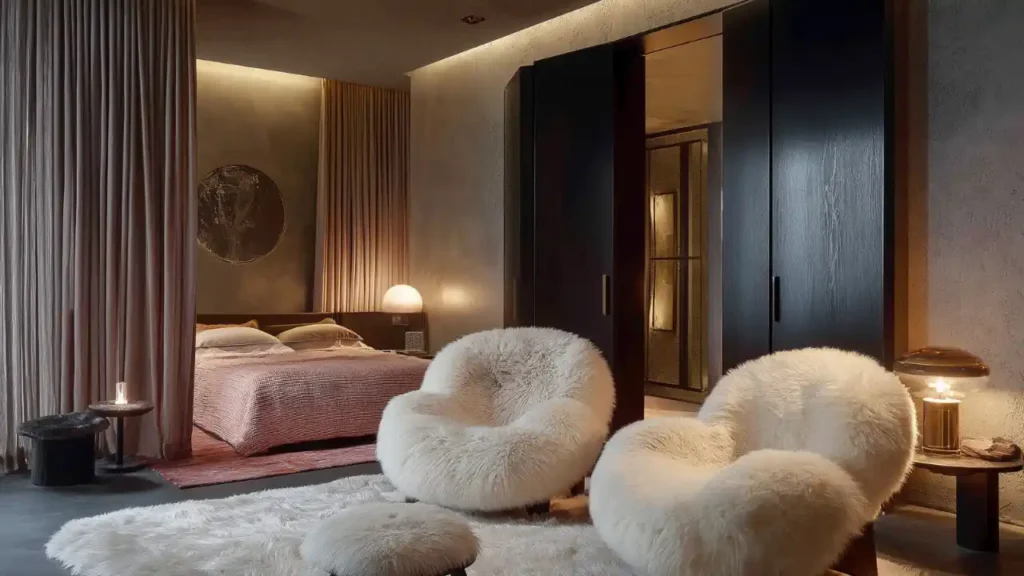
The most important principle is simple:
Choose furniture for proportion, comfort, material, construction, and long-term usefulness—not simply because it looks expensive.
What Is Quiet Luxury Furniture?
Quiet luxury furniture is a style of furniture that emphasizes understated elegance rather than obvious displays of wealth.
A useful way to think about the style is:
Timeless design + quality-focused materials + refined proportions + visual restraint + comfort
Quiet luxury furniture often features clean or softly curved silhouettes, neutral upholstery, natural wood, stone surfaces, leather, linen, wool, subtle metal details, and functional storage.
It generally avoids furniture that depends heavily on:
- Large visible logos
- Excessive ornamentation
- Short-lived trends
- Overly complicated silhouettes
- Excessive metallic finishes
- Glossy finishes used everywhere
- Decorative details without a practical purpose
- Furniture selected only because it appears expensive
Importantly, quiet luxury is a design description, not a guarantee of product quality. A high price does not automatically mean better construction, and a lower-priced piece can sometimes have an excellent proportion and finish for its intended use.
Key Characteristics of Quiet Luxury Furniture
The most recognizable characteristics include:
- Timeless silhouettes
- Refined proportions
- Neutral and warm colors
- Natural wood
- Stone and marble
- Linen and other tactile fabrics
- Leather
- Wool and bouclé
- Restrained hardware
- Comfortable upholstery
- Functional storage
- Subtle detailing
- Limited visual branding
- Intentional negative space
The goal is not to make every piece look luxurious individually. The goal is to make the entire room feel cohesive and considered.
Quiet Luxury vs. Traditional Luxury Furniture
Quiet luxury and traditional luxury can both use premium-looking materials, but they communicate elegance differently.
| Feature | Quiet Luxury | Traditional Luxury |
|---|---|---|
| Visual approach | Understated | Decorative |
| Colors | Neutrals and earthy tones | Often richer or more dramatic |
| Materials | Wood, stone, linen, leather | Wood, stone, metal, glass |
| Details | Subtle | More elaborate |
| Shapes | Timeless and restrained | Can be ornate or dramatic |
| Branding | Usually discreet | May be more visible |
| Atmosphere | Calm and refined | Opulent and expressive |
Neither approach is inherently better. They simply create different visual experiences.
If you prefer a calm interior with fewer decorative elements, quiet luxury may feel more natural. If you enjoy ornamentation, layered patterns, and more dramatic furniture, traditional luxury can offer a different direction.
Quiet Luxury vs. Minimalism
Quiet luxury and minimalism overlap in several ways.
Both may use:
- Simple furniture
- Neutral colors
- Clean lines
- Functional pieces
- Negative space
- Limited visual clutter
The difference is emphasis.
Minimalism tends to focus strongly on reduction and simplicity. Quiet luxury puts additional attention on material character, tactile comfort, refined proportions, furniture construction, and subtle sophistication.
For example, a simple walnut console with carefully finished wood, balanced proportions, and discreet hardware can fit a quiet luxury interior while still maintaining a minimalist appearance.
Quiet Luxury vs. Organic Modern
Quiet luxury and organic modern interiors can share many materials and colors.
Both may include:
- Natural wood
- Stone
- Linen
- Curved furniture
- Earthy colors
- Tactile fabrics
- Simple silhouettes
Organic modern design often places more emphasis on natural forms, organic shapes, and contemporary sculptural details.
Quiet luxury usually places more emphasis on timeless refinement, restrained detailing, balanced proportions, and a polished but comfortable atmosphere.
There can be considerable overlap between the two styles, so you do not need to choose one rigidly.
Key Characteristics of Quiet Luxury Furniture
Timeless Silhouettes
Furniture with timeless silhouettes can remain visually appropriate even as decorating trends change.
Examples include:
- Straight tailored sofas
- Softly curved sofas
- Classic lounge chairs
- Simple dining tables
- Streamlined cabinets
- Low-profile beds
- Traditional-inspired upholstered chairs
- Simple wood consoles
The goal is not to avoid contemporary design. Instead, look for contemporary pieces whose basic shape is likely to remain useful beyond a single trend cycle.
Refined Proportions
Proportion can have a greater visual impact than decoration.
A beautiful coffee table can look awkward if it is too small for the sofa. A sophisticated dining table can make a room uncomfortable if there is not enough space to move around it.
Pay attention to:
- Sofa width
- Sofa depth
- Coffee table relationship
- Chair scale
- Dining table height
- Chair-to-table relationship
- Cabinet height
- Furniture depth
- Walking clearance
- Visual weight
Before buying furniture, measure the room and the intended placement rather than relying only on product photographs.
Natural and Refined Materials
Common material choices include:
- Walnut
- Oak
- Ash
- Marble
- Limestone
- Travertine
- Leather
- Linen
- Wool
- Bouclé
- Brass
- Bronze
These materials can add visual and tactile interest without requiring elaborate decoration.
However, a material being natural, expensive, or fashionable does not automatically make it higher quality. Consider the construction, finish, intended use, maintenance requirements, and manufacturer’s specifications.
Restrained Hardware
Hardware should support the furniture rather than dominate it.
Suitable options can include:
- Brushed metal
- Aged brass
- Bronze
- Minimal pulls
- Integrated handles
- Push-to-open storage
For example, a walnut cabinet with small brass pulls can feel refined without covering the entire piece in decorative metal.
Neutral Color Palettes
Quiet luxury often works well with a restrained color foundation.
Consider:
- Cream
- Ivory
- Beige
- Taupe
- Greige
- Camel
- Warm gray
- Soft brown
- Charcoal
- Deep walnut
You do not need to create an entirely beige home. Muted greens, dusty blues, terracotta, and other controlled accent colors can add personality.
25 Quiet Luxury Furniture Ideas for 2026
The following furniture ideas focus on what the piece is, why it fits the style, where it works, and what to consider before buying.
1. Tailored Neutral Sofa
A tailored neutral sofa is one of the easiest foundations for a quiet luxury living room.
Cream, beige, taupe, warm gray, and camel upholstery can create a calm backdrop for wood, stone, leather, and textured accessories.
Look beyond appearance and check:
- Seat depth
- Seat height
- Cushion construction
- Upholstery composition
- Frame construction
- Overall dimensions
- Cleaning requirements
A sofa should look refined but still support the way your household actually uses the room.
2. Elegant Linen Sofa
Linen can introduce natural texture without making a room visually busy.
A neutral linen sofa can work especially well with:
- Walnut tables
- Natural oak
- Wool rugs
- Stone surfaces
- Soft neutral curtains
Before buying, check the fabric specifications and cleaning instructions. Linen can have a relaxed appearance, so consider whether that texture fits your preferred level of formality.
For everyday family use, also consider how the upholstery will handle spills, pets, children, or frequent sitting.
3. Refined Curved Sofa
A softly curved sofa can make a quiet luxury living room feel more welcoming without becoming overly sculptural.
Look for curves that complement the architecture and furniture around them rather than choosing an exaggerated shape simply because it is fashionable.
A curved sofa can work particularly well in:
- Open living rooms
- Conversation areas
- Large bedrooms
- Lounge spaces
Measure carefully because curved furniture can have a larger visual and physical footprint than a straight sofa.
4. Walnut Coffee Table
Walnut furniture brings a deeper wood tone and visible grain to neutral interiors.
Choose from:
- Round tables
- Oval tables
- Rectangular tables
- Pedestal designs
- Simple slab-style tables
A walnut coffee table can create contrast against a cream or beige sofa while connecting visually with darker cabinetry or flooring.
Check the table’s dimensions, finish, edge treatment, weight, and care requirements before purchasing.
5. Marble or Stone Coffee Table
A stone coffee table can provide a sophisticated focal point without requiring additional decoration.
Possible materials include:
- Marble
- Travertine
- Limestone
- Stone-look surfaces
Natural stone can have variation in color, veining, and texture. Some surfaces also require more careful cleaning and maintenance than others.
If the table will receive heavy everyday use, compare the material’s maintenance requirements with your lifestyle before choosing it.
6. Sculptural Accent Chair
A restrained sculptural accent chair can add personality to an otherwise simple room.
Good material choices include:
- Leather
- Linen
- Bouclé
- Upholstered fabric
- Wood
The important word is restrained.
One distinctive chair can become a focal point. Several highly sculptural pieces competing with one another can make the room feel less calm.
Consider seat comfort, dimensions, fabric durability, and how the chair relates to the sofa.
7. Classic Leather Lounge Chair
Leather can introduce visual depth and a more substantial texture.
A classic leather lounge chair can work well beside:
- A neutral sofa
- A walnut coffee table
- A stone side table
- A wool rug
Pay attention to the leather finish, color, frame construction, cushion comfort, and care instructions.
Leather also changes over time, so consider whether you prefer a material that develops visible character.
8. Elegant Wood Console Table
A streamlined wood console table can work in several areas of the home.
Consider:
- Walnut
- Oak
- Dark wood
- Slim silhouettes
- Minimal hardware
Useful locations include:
- Entryways
- Dining rooms
- Living rooms
- Hallways
Measure the available depth carefully, particularly in narrow hallways and apartment entryways.
9. Natural Wood Dining Table
A simple natural wood dining table can anchor an elegant dining room without excessive ornamentation.
Options include:
- Solid wood tables
- Walnut tables
- Oak tables
- Rounded-edge tables
- Simple pedestal designs
- Extendable tables
Choose a table according to the room’s dimensions and seating requirements.
An extendable design can be particularly practical when you want everyday efficiency without permanently occupying the space required for larger gatherings.
10. Upholstered Dining Chairs
Upholstered dining chairs can soften the visual appearance of a dining room while increasing seating comfort.
Consider:
- Linen
- Leather
- Performance fabrics
- Bouclé
The upholstery should complement the dining table rather than necessarily matching it.
Check seat height, seat depth, cleanability, fabric specifications, and the amount of clearance between the chairs and surrounding furniture.
11. Minimalist Upholstered Bed
An upholstered bed can create a calm and comfortable bedroom centerpiece.
Look for:
- Low-profile frames
- Simple upholstered headboards
- Neutral fabric
- Clean platform designs
Cream, oatmeal, taupe, beige, and soft gray can provide a flexible foundation.
Before buying, check mattress compatibility, overall bed dimensions, headboard height, assembly requirements, and cleaning instructions.
12. Walnut Nightstands
Walnut nightstands combine storage with a strong visual foundation.
Important features include:
- Smooth drawer operation
- Appropriate height
- Useful storage
- Discreet hardware
- Durable finish
The nightstand should generally relate to the height of the mattress and bed rather than simply being selected for appearance.
13. Elegant Wood Dresser
A simple wood dresser can become an important visual anchor in a bedroom.
Walnut and oak are versatile choices, but the right wood depends on the existing flooring, bed, nightstands, and wall colors.
Focus on:
- Drawer construction
- Storage capacity
- Furniture depth
- Finish quality
- Hardware
- Delivery access
Avoid choosing a dresser that overwhelms the room simply because it looks substantial in a product photograph.
14. Stone-Topped Side Table
Small stone furniture can introduce a refined material without making the entire room feel heavy.
Possible surfaces include:
- Marble
- Travertine
- Limestone
- Stone-look materials
Side tables work well beside sofas, lounge chairs, beds, or entryway benches.
Because small pieces require less material than large stone furniture, they can also provide an opportunity to introduce texture more selectively.
15. Fluted Wood Cabinet
Fluted wood adds texture while maintaining a relatively clean silhouette.
A fluted cabinet can work as:
- Media storage
- Dining-room storage
- Entryway storage
- Bedroom storage
Because fluting already creates visual texture, it does not need to be repeated across every cabinet in the room.
Pairing one fluted cabinet with plain furniture can create better balance.
16. Low-Profile Media Console
A low-profile media console can make a living room feel more organized while keeping visual clutter under control.
Look for:
- Walnut or oak
- Closed storage
- Cable management
- Minimal hardware
- Appropriate height
- Adequate ventilation where required
Closed storage is especially useful when electronics, remotes, gaming equipment, or cables would otherwise become visually distracting.
17. Built-In-Look Storage Cabinet
Clean-lined storage can create an architectural appearance without requiring elaborate decoration.
Choose furniture with:
- Simple doors
- Consistent proportions
- Minimal hardware
- Neutral finishes
- Useful internal storage
Freestanding cabinets can create a built-in impression when their scale and placement work well with the surrounding architecture.
18. Classic Upholstered Bench
An upholstered bench is versatile enough to work in several rooms.
Use one in:
- Bedrooms
- Entryways
- Dining areas
- Living rooms
A bedroom bench can sit at the foot of the bed, while an entryway bench can provide a practical place to sit while putting on shoes.
Check the bench width and depth against the available floor space.
19. Refined Marble Dining Table
A marble dining table can become a strong centerpiece in a quiet luxury dining room.
Before purchasing, consider:
- Table size
- Seating capacity
- Surface care
- Weight
- Base construction
- Delivery requirements
- Floor protection
A marble table does not need to be surrounded by other visibly luxurious materials. Pairing it with simple upholstered chairs and understated lighting can provide enough visual interest.
20. Elegant Sideboard
A sideboard can combine storage with visual sophistication.
Use one in:
- Dining rooms
- Living rooms
- Open-plan spaces
- Large entryways
Look for balanced proportions, useful storage, durable finishes, and hardware that complements the rest of the room.
Avoid filling every surface with decorative objects. The sideboard itself can provide enough visual structure.
21. Quiet Luxury Home Office Desk
A refined desk can make a home office feel sophisticated without sacrificing practicality.
Walnut and oak are popular choices, but the most important features are:
- Comfortable working height
- Sufficient surface area
- Cable management
- Drawer storage
- Stable construction
- Appropriate depth
Pair the desk with a genuinely supportive ergonomic chair rather than choosing a chair solely because it looks luxurious.
22. Classic Bookshelf
A bookshelf can add character while providing useful storage.
Choose either:
- Built-in-looking shelving
- Freestanding wood shelving
- Closed-and-open storage combinations
Avoid overfilling open shelves.
A combination of books, a few meaningful objects, framed pieces, and open space can create a more relaxed appearance than tightly packing every shelf.
23. Upholstered Ottoman
An upholstered ottoman can provide seating, a footrest, or additional surface space.
Useful materials include:
- Leather
- Linen
- Bouclé
- Performance fabrics
Storage ottomans can be particularly useful in smaller homes because they combine multiple functions.
Check the internal storage capacity, lid construction, upholstery, and weight before purchasing.
24. Sculptural but Restrained Side Table
A distinctive side table can provide a focal point without overwhelming the room.
Consider:
- Rounded wood
- Stone
- Sculptural bases
- Simple geometric forms
- Mixed-material designs
One unusual table can create visual interest while allowing the surrounding furniture to remain relatively simple.
25. Coordinated, Not Matching, Furniture Collection
One of the most effective quiet luxury approaches is to coordinate furniture rather than buying identical pieces.
Create cohesion through:
- Similar wood undertones
- Repeated materials
- Related silhouettes
- Compatible colors
- Consistent proportions
- Repeated accent finishes
For example, a walnut coffee table can work with an oak console if the wood tones and surrounding upholstery create a deliberate relationship.
A room does not need an identical sofa, chair, table, and cabinet collection to feel sophisticated.
Quiet Luxury Furniture Ideas by Room
Quiet Luxury Living Room
A quiet luxury living room can start with:
- Tailored neutral sofa
- Walnut or stone coffee table
- One or two accent chairs
- Elegant side table
- Refined media console
- Soft neutral rug
- Minimal accessories
The furniture arrangement matters as much as the individual pieces.
Leave enough space for people to walk comfortably around the seating area. Create a clear focal point and avoid pushing every piece against the walls simply because space is available.
Negative space can make furniture feel more intentional.
Quiet Luxury Bedroom
A sophisticated bedroom can combine:
- Upholstered or wood bed
- Coordinated nightstands
- Elegant dresser
- Upholstered bench
- Neutral bedding
- Refined storage
Comfort should be the priority.
Choose the bed according to mattress size and room dimensions, then select nightstands, benches, rugs, and storage according to the bed’s scale.
The result should feel calm rather than overly decorated.
Quiet Luxury Dining Room
A refined dining room can include:
- Natural wood or stone dining table
- Upholstered dining chairs
- Elegant sideboard
- Restrained lighting
- Minimal centerpiece
Instead of filling the table with decorative objects, let the table surface, chairs, lighting, and surrounding architecture provide most of the visual interest.
Quiet Luxury Entryway
An entryway can create an immediate sense of organization with:
- Slim console
- Upholstered bench
- Large simple mirror
- Closed storage
- Small accent table
The key is to balance useful storage with clear walking space.
A narrow console with one or two carefully selected objects can be more effective than a crowded display.
Quiet Luxury Home Office
A quiet luxury home office can combine:
- Walnut or oak desk
- Comfortable ergonomic chair
- Closed storage
- Refined bookshelf
- Minimal desk accessories
Keep frequently used equipment accessible while using closed storage for cables, paperwork, and other visual clutter.
Best Materials for Quiet Luxury Furniture
| Material | Visual Character | Best Furniture Uses | Key Consideration |
|---|---|---|---|
| Walnut | Rich and warm | Tables, desks, cabinets | Can create strong contrast |
| Oak | Natural and versatile | Tables, beds, cabinets | Finish affects appearance |
| Ash | Light and subtle | Shelving, tables | Works well in lighter palettes |
| Marble | Elegant and distinctive | Tables, side tables | Care varies by surface |
| Travertine | Warm and organic | Tables, accents | Natural variation is expected |
| Leather | Rich and refined | Sofas, chairs | Requires appropriate care |
| Linen | Relaxed and tactile | Sofas, chairs | Consider cleaning needs |
| Bouclé | Soft and textured | Chairs, sofas | Texture can require more care |
| Wool | Warm and tactile | Upholstery, rugs | Maintenance varies |
| Brass | Warm metallic | Hardware, accents | Finish can change over time |
Always check the manufacturer’s specifications and care instructions because performance can vary according to construction, finish, treatment, upholstery, and household use.
Best Wood Tones for Quiet Luxury Interiors
Walnut
Walnut works especially well in:
- Sophisticated living rooms
- Home offices
- Dining rooms
- Bedrooms
Its deeper tone can create contrast against cream, beige, ivory, and other light neutral surfaces.
Natural Oak
Natural oak can provide a lighter and more relaxed interpretation of quiet luxury.
It works well with:
- Bright interiors
- Soft neutral palettes
- Modern homes
- Scandinavian-influenced spaces
The final appearance depends significantly on the wood’s finish.
Dark Wood
Espresso, deep brown, and dark walnut finishes can create dramatic contrast.
Use them strategically rather than placing dark furniture on every surface.
One dark sideboard or coffee table can provide enough contrast in an otherwise light room.
Mixed Wood Tones
Mixed wood can look intentional when the relationships are controlled.
A practical approach is:
- Choose one dominant wood tone.
- Repeat secondary wood tones selectively.
- Match undertones.
- Avoid using too many finishes.
- Connect different woods through upholstery, rugs, or other materials.
The goal is coordination rather than perfect matching.
Quiet Luxury Furniture Color Ideas
Warm Neutrals
Useful foundation colors include:
- Cream
- Ivory
- Beige
- Taupe
- Greige
- Oatmeal
These shades work particularly well with natural wood and stone.
Rich Neutrals
For additional depth, consider:
- Camel
- Chocolate brown
- Walnut
- Soft charcoal
These colors can prevent a neutral room from feeling flat.
Muted Accent Colors
Quiet luxury does not require an entirely beige palette.
Controlled accents can include:
- Olive
- Sage
- Terracotta
- Deep green
- Dusty blue
Use these colors through one furniture piece, upholstery, artwork, textiles, or accessories rather than introducing many unrelated accent colors.
Quiet Luxury Furniture Ideas for Small Spaces
Quiet luxury can work particularly well in small apartments because the style naturally favors intentional furniture selection.
Instead of filling a compact room with numerous small pieces, choose fewer items that perform useful functions.
Recommended Pieces
- Compact tailored sofa
- Round coffee table
- Slim console
- Storage ottoman
- Narrow sideboard
- Multifunctional bench
- Wall-friendly shelving
- Compact dining table
- Vertical storage
Important Factors
Consider:
- Scale
- Circulation
- Visual weight
- Storage
- Multifunctionality
- Furniture depth
A compact room may look more sophisticated with one well-proportioned sofa and a practical coffee table than with several undersized furniture pieces.
Quiet Luxury Furniture for Open-Concept Homes
Furniture can define zones in an open-plan home without requiring physical walls.
Living Zone
Use:
- Sofa
- Coffee table
- Accent chairs
- Area rug
Dining Zone
Use:
- Dining table
- Chairs
- Sideboard
Create Cohesion Through
- Wood tone
- Upholstery
- Metal finish
- Rug colors
- Accent colors
The furniture should coordinate without looking like one identical collection.
For example, a walnut living-room table can visually connect with a walnut dining-room sideboard even when the furniture comes from different collections.
Quiet Luxury Furniture for Apartments
Apartments often require furniture that combines style with practical constraints.
Useful choices include:
- Freestanding furniture
- Modular sofas
- Storage ottomans
- Slim consoles
- Folding dining tables
- Lightweight accent chairs
- Freestanding shelving
Before ordering large furniture, check:
- Doorway dimensions
- Hallway width
- Elevator dimensions
- Stairway clearance
- Building delivery rules
- Rental limitations
- Room dimensions
A beautiful sofa is not useful if it cannot pass through the entrance.
Quiet Luxury Furniture and Natural Textures
Tactile materials can create depth without requiring lots of decorative objects.
Some useful combinations include:
Walnut + Linen
Oak + Bouclé
Leather + Wool
Stone + Wood
Brass + Walnut
Linen + Natural Oak
The key is restraint.
Using walnut, marble, brass, velvet, leather, bouclé, glass, and several other strong materials in one small room can make the interior feel visually complicated.
Choose a few materials and repeat them thoughtfully.
Modern Quiet Luxury vs. Classic Quiet Luxury
| Feature | Modern Quiet Luxury | Classic Quiet Luxury |
|---|---|---|
| Furniture | Streamlined | Traditional silhouettes |
| Colors | Soft neutrals | Richer neutrals |
| Materials | Wood, stone, linen | Wood, leather, stone |
| Details | Minimal | Subtle traditional details |
| Shapes | Clean and simple | More established forms |
| Atmosphere | Contemporary | Timeless and layered |
Both approaches can follow the same underlying principles of restraint, comfortable furniture, refined proportions, and thoughtful material selection.
How to Create a Quiet Luxury Living Room
You do not need to replace every item in your living room. Build the look gradually.
Step 1: Choose the Sofa
Start with a tailored neutral sofa that fits the room.
Prioritize:
- Comfort
- Scale
- Seat depth
- Upholstery
- Construction
Step 2: Select One Strong Material
Choose one major material for a table or cabinet.
For example:
- Walnut
- Oak
- Marble
- Travertine
Step 3: Add One Distinctive Chair
A leather, bouclé, linen, or subtly sculptural chair can add personality.
Step 4: Add Refined Storage
Choose closed storage with restrained hardware.
This can reduce visible clutter while maintaining a clean appearance.
Step 5: Introduce Soft Textiles
Use:
- Rug
- Curtains
- Cushions
- Throw
These elements can soften the harder surfaces of wood and stone.
Step 6: Leave Negative Space
Do not fill every corner.
Allow the major furniture pieces to remain visually distinct.
How to Create a Quiet Luxury Bedroom
A simple formula is:
Elegant Bed + Wood Nightstands + Neutral Bedding + Upholstered Bench + Refined Storage
Start with the bed and work outward.
Consider:
- Bed proportions
- Nightstand height
- Wood tone
- Upholstery
- Storage
- Lighting
- Textiles
The bedroom should remain comfortable and functional.
A sophisticated bedroom does not need an excessive number of decorative objects. Good bedding, appropriate lighting, balanced furniture, and controlled materials can provide plenty of visual interest.
How to Create Quiet Luxury Without Making the Room Look Expensive
The goal should not be to make inexpensive furniture pretend to be expensive.
Instead, focus on the design qualities that make a room feel refined.
Prioritize Good Proportions
Furniture should relate naturally to the room and to surrounding pieces.
Repeat Materials
A wood tone or metal finish repeated in several places can make a room feel cohesive.
Control the Color Palette
A restrained foundation makes it easier for individual furniture pieces to stand out.
Choose Clean Silhouettes
Simple furniture often provides a stronger long-term foundation than highly trend-driven shapes.
Improve Lighting
Warm, layered lighting can change how wood, fabric, stone, and upholstery appear.
Reduce Visual Clutter
Closed storage can be particularly useful.
Give Furniture Space
Do not automatically fill every available area.
Skip Unnecessary Branding
A room does not need visible logos to feel sophisticated.
How to Mix Quiet Luxury Furniture Without Creating Clutter
The easiest way to mix furniture is to create relationships between pieces rather than requiring everything to match.
Use:
- Repeated materials
- Related colors
- Similar undertones
- Compatible proportions
- A controlled mix of curves and straight lines
- Negative space
- Closed storage
Limit the number of competing furniture styles.
Practical Rule
One or two strong furniture focal points are usually enough for a room.
For example, a sculptural lounge chair and stone coffee table may be enough to give a living room personality. The sofa, console, and storage pieces can remain comparatively restrained.
Quiet Luxury Furniture on a Budget
Creating a refined home does not require buying the most expensive furniture available.
Try these strategies instead:
Prioritize One Major Piece
If your budget is limited, concentrate on the sofa, dining table, bed, or another piece that receives frequent use.
Consider Secondhand Solid Wood Furniture
Older wood furniture can sometimes provide useful construction, interesting grain, and timeless silhouettes.
Inspect the condition carefully before buying.
Look for Quality Construction
Pay attention to:
- Frame construction
- Joinery where visible
- Drawer operation
- Hardware
- Upholstery
- Finish
- Stability
Choose Timeless Silhouettes
A simple sofa or table can remain useful even if your decorating style changes.
Mix Affordable and Premium-Looking Pieces
You can combine a budget-friendly dining chair with a substantial wood table or pair a simple sofa with a more distinctive coffee table.
Use Neutral Upholstery
Neutral upholstery can make it easier to change accessories and surrounding colors later.
Refurbish Suitable Furniture
Reupholstering a suitable chair or refinishing an appropriate wood piece can sometimes be more practical than replacing it.
Choose Multifunctional Furniture
A storage ottoman or bench can perform several roles without requiring additional furniture.
Avoid Paying for Branding Alone
Compare materials, construction, warranty, comfort, and suitability instead of relying only on a brand name.
Budget Priority
When funds are limited, consider this order:
Construction → Comfort → Proportion → Material → Finish → Decorative details
Sustainable Quiet Luxury Furniture Ideas
A more responsible furniture approach starts with buying thoughtfully rather than simply buying expensive products.
Consider:
- FSC-certified wood where applicable
- Secondhand furniture
- Reclaimed materials
- Repairable construction
- Replaceable components
- Durable designs
- Responsible sourcing
- Long-term usefulness
- Buying fewer pieces
However, expensive furniture is not automatically sustainable, and natural materials are not automatically environmentally responsible.
A more complete evaluation can include:
- Where materials come from
- How the product is manufactured
- Transportation
- Repairability
- Expected useful life
- Replacement parts
- Finish and maintenance requirements
Buying fewer pieces that genuinely suit your home can also help avoid unnecessary replacement.
Quiet Luxury Furniture Comparison
Use this table as a starting point when deciding which furniture category deserves attention first.
| Furniture Type | Best For | Space Needed | Visual Elegance | Comfort | Maintenance |
|---|---|---|---|---|---|
| Neutral Sofa | Living Room | Medium–Large | High | High | Moderate |
| Walnut Coffee Table | Living Room | Small–Medium | High | N/A | Low–Moderate |
| Accent Chair | Living Room | Small–Medium | High | High | Moderate |
| Dining Table | Dining Room | Medium–Large | High | N/A | Low–Moderate |
| Upholstered Bed | Bedroom | Medium–Large | High | High | Moderate |
| Console | Entryway | Small–Medium | Medium–High | N/A | Low |
| Sideboard | Dining/Living | Medium | High | N/A | Low–Moderate |
| Ottoman | Flexible Use | Small | Medium–High | Medium–High | Moderate |
| Side Table | Compact Areas | Small | Medium | N/A | Low |
| Bench | Entry/Bedroom | Small–Medium | High | Medium | Low–Moderate |
Actual maintenance depends on material, finish, upholstery, construction, climate, household use, and the manufacturer’s care instructions.
Common Quiet Luxury Furniture Mistakes to Avoid
Mistake 1: Assuming Expensive Means Elegant
Price alone does not determine visual quality or whether a piece is appropriate for your room.
A poorly proportioned expensive table can look less successful than a simple table that fits the room correctly.
Mistake 2: Using Too Much Beige
Neutral colors are useful, but an entirely beige room can become visually flat.
Introduce contrast through:
- Wood
- Stone
- Texture
- Soft charcoal
- Muted green
- Deep brown
- Carefully selected artwork
Mistake 3: Overusing Marble
Marble can be beautiful, but too much stone can make an interior feel visually heavy.
One marble coffee table or dining table may be enough to establish the material.
Mistake 4: Choosing Too Many Luxury-Looking Materials
Combining marble, brass, velvet, leather, dark wood, glass, and glossy finishes throughout the same room can undermine the understated quality of quiet luxury.
Let a few materials lead the design.
Mistake 5: Buying Furniture That Is Too Large
Large furniture can overwhelm small rooms and reduce circulation.
Always measure the room and the delivery route before ordering.
Mistake 6: Ignoring Comfort
A beautiful sofa is not useful if nobody wants to sit on it.
Check:
- Seat depth
- Seat height
- Cushion firmness
- Back support
- Upholstery
- Arm height
Mistake 7: Using Too Many Trends
Quiet luxury works best when the major furniture pieces can remain useful beyond a single decorating trend.
Use trendy elements in smaller, easier-to-replace pieces if desired.
Mistake 8: Matching Everything
An identical furniture set can sometimes make a room feel overly coordinated.
Mix pieces that share compatible materials, colors, and proportions instead.
Mistake 9: Ignoring Storage
Visible clutter can quickly undermine a refined interior.
Use:
- Sideboards
- Cabinets
- Media consoles
- Storage ottomans
- Dressers
- Closed shelving
Mistake 10: Overusing Metallic Finishes
Brass, bronze, and other metals can work beautifully as accents.
They do not need to appear on every table, cabinet, light fixture, and accessory.
Quiet Luxury Furniture Shopping Checklist
Before purchasing a piece, check:
- Room dimensions
- Furniture dimensions
- Doorway access
- Delivery requirements
- Seating capacity
- Primary function
- Material
- Construction
- Frame quality
- Wood finish
- Upholstery
- Cushion firmness
- Seat depth
- Seat height
- Storage capacity
- Maintenance requirements
- Cleaning instructions
- Existing furniture
- Color palette
- Wood undertones
- Visual weight
- Budget
- Return policy
- Warranty
- Manufacturer care instructions
Also ask yourself:
Would I still like this furniture if the current quiet-luxury trend disappeared?
If the answer is yes, the piece may have stronger long-term appeal for your home.
Frequently Asked Questions About Quiet Luxury Furniture
What is quiet luxury furniture?
Quiet luxury furniture uses understated silhouettes, refined proportions, natural or quality-focused materials, neutral colors, and subtle details to create a sophisticated interior without relying on excessive decoration or visible branding.
What colors work best for quiet luxury furniture?
Cream, ivory, beige, taupe, greige, camel, warm gray, brown, walnut, and soft charcoal are useful foundation colors. Muted shades such as olive, sage, deep green, and dusty blue can provide controlled contrast.
What materials are commonly used in quiet luxury furniture?
Common choices include natural wood, stone, marble, leather, linen, wool, bouclé, and restrained metal finishes such as brass or bronze.
Is quiet luxury furniture always expensive?
No. Furniture can create a refined appearance at different price points. Construction, proportions, materials, comfort, and how pieces work together can matter more than visible branding or price alone.
What wood is best for quiet luxury furniture?
Walnut and oak are versatile choices, but ash, maple, and other suitable woods can also work. The right choice depends on the desired color, grain, finish, furniture type, budget, and existing interior.
Can quiet luxury furniture work in a small apartment?
Yes. Choose furniture according to the room’s scale and prioritize multifunctionality, storage, circulation, and balanced proportions.
Is quiet luxury the same as minimalism?
No. The styles overlap, but quiet luxury generally places more emphasis on refined materials, tactile comfort, proportions, and subtle sophistication, while minimalism focuses more strongly on reduction and simplicity.
Can I mix modern and classic quiet luxury furniture?
Yes. A streamlined modern sofa can work with a classic wood table or traditional-style accent chair. Keep the colors, materials, and proportions connected so the combination feels intentional.
How can I create quiet luxury furniture style on a budget?
Prioritize one or two major furniture pieces, choose timeless silhouettes, consider secondhand solid wood, compare construction quality, and use affordable textiles and accessories to create warmth and cohesion.
Does quiet luxury furniture need to match?
No. Coordinated furniture often feels more natural than identical furniture. Repeat colors, materials, wood tones, and proportions instead of purchasing a complete matching set.
Final Thoughts
Quiet luxury furniture is ultimately about restraint, proportion, comfort, and timeless appeal.
The strongest interiors do not need to announce that they are luxurious.
Instead, they communicate refinement through:
- Elegant proportions
- Natural wood
- Neutral upholstery
- Quality-focused materials
- Comfortable furniture
- Subtle details
- Thoughtful storage
- Controlled contrast
- Negative space
A tailored cream sofa, walnut coffee table, linen accent chair, and restrained storage cabinet can create a sophisticated living room without excessive decoration.
Likewise, a simple upholstered bed, natural wood nightstands, neutral bedding, and a carefully chosen bench can give a bedroom an elegant and calm atmosphere.
The key is not to purchase the most expensive furniture available.
It is to choose furniture that fits the room, performs its intended function, works with the existing materials, and still feels appropriate after current trends change.
Quiet luxury works best when the room feels considered rather than decorated.
