
A minimalist home does not have to feel cold, empty, or overly formal. With the right furniture, you can create a space that feels clean and uncluttered while still being comfortable, inviting, and personal.
That is where warm minimalism comes in.
The best warm minimalist furniture ideas combine simple silhouettes with natural wood, warm neutral upholstery, soft textures, comfortable proportions, and practical storage. Instead of filling a room with decoration, the approach focuses on choosing fewer furniture pieces that work hard and look intentional.
Think of a cream sofa paired with an oak coffee table, a simple wood bed surrounded by soft linen, or a natural dining table combined with upholstered chairs. These combinations can create a calm interior without making the space feel unfinished.
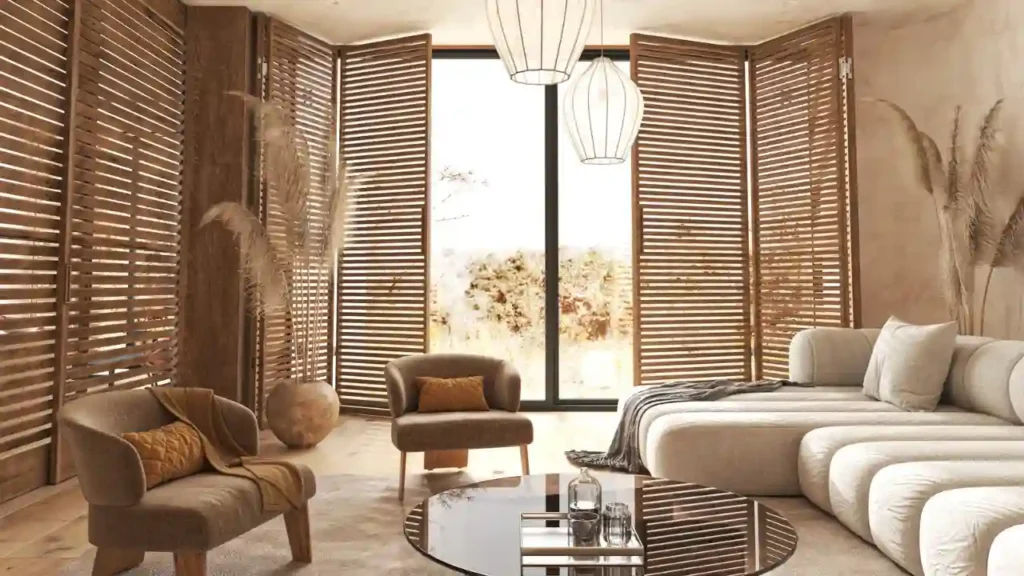
Whether you are furnishing a living room, bedroom, dining area, apartment, or home office, warm minimalism provides a flexible foundation for creating a home that feels both modern and lived-in.
What Is Warm Minimalist Furniture?
Warm minimalist furniture combines the simplicity of minimalist design with materials, colors, textures, and proportions that make a room feel more comfortable.
The basic formula is:
Minimalist simplicity + natural materials + warmth + comfort + functionality
Traditional minimalist interiors often emphasize clean lines, limited decoration, and strong visual simplicity. Warm minimalism keeps those principles but introduces softer elements such as natural wood, cream upholstery, linen, wool, rounded edges, and earthy colors.
The goal is not to make a room completely empty. Instead, every major piece should have a purpose while contributing to a calm visual composition.
Warm Minimalism vs. Traditional Minimalism
| Feature | Warm Minimalism | Traditional Minimalism |
|---|---|---|
| Colors | Warm neutrals and earthy tones | Often neutral or cooler |
| Materials | Wood, linen, wool, stone | Wood, metal, glass, composites |
| Shapes | Simple with soft or curved details | Often clean and angular |
| Texture | Moderate and tactile | More restrained |
| Atmosphere | Cozy and calm | Clean and sparse |
| Furniture | Functional and comfortable | Functional and visually simple |
Neither approach is inherently better. The choice depends on how you want your home to feel.
If you like minimalist organization but want more softness and comfort, warm minimalism can be a useful design direction.
Warm Minimalism vs. Modern Organic Design
Warm minimalism and organic modern design share many characteristics, including natural materials, warm colors, curved furniture, and understated interiors.
The difference is mainly in emphasis.
Warm minimalism places stronger emphasis on restraint, simplicity, and controlled visual clutter. Organic modern interiors may allow more sculptural furniture, dramatic natural materials, layered textures, and expressive forms.
You can combine the two approaches, but keeping a restrained furniture selection helps preserve the minimalist foundation.
Warm Minimalism vs. Japandi
Warm minimalism also overlaps with Japandi design.
Both can use:
- Natural wood
- Simple furniture
- Neutral colors
- Functional layouts
- Tactile materials
- Calm visual compositions
Japandi is generally understood as a design approach influenced by Japanese and Scandinavian aesthetics, while warm minimalism is a broader decorating direction centered on simplicity combined with warmth and comfort.
You can borrow elements from Japandi without needing to follow a strict style formula.
Key Characteristics of Warm Minimalist Furniture
Natural Materials
Natural materials are one of the easiest ways to introduce warmth without adding unnecessary decoration.
Common choices include:
- Oak
- Walnut
- Ash
- Maple
- Rattan
- Cane
- Stone
- Linen
- Wool
- Leather
A natural wood coffee table, linen chair, or cane cabinet can provide visual interest through its material rather than through excessive ornamentation.
The key is to choose materials that support the overall palette instead of introducing too many competing finishes.
Warm Wood Tones
Wood often becomes the visual foundation of a warm minimalist interior.
Light oak can keep a small room feeling airy, while walnut introduces deeper contrast. Medium-toned wood can provide a balanced option between the two.
Useful wood choices include:
- Light oak
- Natural oak
- Ash
- Maple
- Medium-toned wood
- Walnut
- Warm-stained wood
Rather than using many different finishes, choose one dominant wood tone and repeat it throughout the room.
Warm Neutral Upholstery
Neutral upholstery helps create a quiet visual foundation.
Popular colors include:
- Cream
- Beige
- Taupe
- Camel
- Oatmeal
- Warm gray
- Soft brown
For example, an oatmeal sofa can provide more warmth than a stark white sofa while maintaining a clean minimalist appearance.
Simple Silhouettes
Warm minimalist furniture usually avoids unnecessary decoration.
Look for:
- Clean lines
- Simple bases
- Minimal hardware
- Uncomplicated profiles
- Balanced proportions
- Functional storage
A simple cabinet with natural wood grain can often have more impact than an ornate cabinet covered with decorative details.
Soft Curves
Curved furniture can soften the visual character of a minimalist room.
Consider:
- Rounded sofas
- Curved accent chairs
- Oval dining tables
- Rounded coffee tables
- Soft-edge cabinets
- Circular ottomans
Curves work particularly well when most of the room contains straight architectural lines.
Tactile Textures
Texture prevents a minimalist room from becoming visually flat.
Useful choices include:
- Linen
- Bouclé
- Wool
- Woven fibers
- Cane
- Natural wood grain
- Leather
The objective is not to use every texture available. Two or three complementary materials can be enough to make a restrained room feel layered and comfortable.
25 Warm Minimalist Furniture Ideas for 2026
1. Warm Neutral Minimalist Sofa
The sofa is often the largest and most visually important piece in a living room, making it a natural starting point for warm minimalism.
Cream, beige, oatmeal, taupe, and warm gray upholstery can create a soft foundation without overwhelming the room.
When choosing one, consider:
- Seat depth
- Seat height
- Cushion firmness
- Overall width
- Armrest size
- Fabric durability
- Cleaning requirements
- Available floor space
A sofa that looks beautiful but does not fit your room or seating needs will not create a successful minimalist interior.
For smaller rooms, a streamlined sofa with moderate depth can preserve walking space.
2. Light Oak Coffee Table
A light oak coffee table adds warmth while maintaining a simple visual character.
Depending on the room, consider:
- Round tables
- Oval tables
- Rectangular tables
- Pedestal designs
A rounded oak table works especially well when paired with a straight sofa because it introduces contrast without adding unnecessary decoration.
Before buying, measure the distance between the sofa and table so there is enough room for comfortable movement.
3. Curved Minimalist Sofa
A curved sofa can make a minimalist room feel softer and more welcoming.
Instead of choosing an extremely sculptural shape, look for subtle curves that still provide practical seating.
Curved sofas work particularly well in:
- Open living rooms
- Conversation areas
- Large minimalist spaces
- Organic modern interiors
Check the sofa’s overall footprint carefully because curved furniture can occupy more usable floor area than its visual appearance suggests.
4. Natural Wood Side Table
A small natural wood side table can introduce warmth without taking up much space.
Oak, ash, maple, and walnut can all work.
Use one beside a sofa or accent chair for:
- Drinks
- Books
- Lamps
- Small everyday items
For small spaces, choose a compact table with a simple profile rather than adding several small decorative tables.
5. Bouclé Accent Chair
Bouclé furniture adds tactile softness while maintaining a relatively restrained appearance.
A cream or oatmeal bouclé accent chair can complement a neutral sofa while providing a different texture.
Before buying, check the manufacturer’s cleaning instructions and consider how the chair will be used. A decorative occasional chair has different requirements from a seat used every day.
6. Linen Accent Chair
Linen has a relaxed visual quality that works naturally with warm minimalist interiors.
A linen chair can add softness without introducing a strong pattern.
Look for:
- Neutral colors
- Simple frames
- Comfortable proportions
- Removable covers where appropriate
- Practical care requirements
Linen can show signs of everyday use, so consider your household before choosing it for a high-traffic seating area.
7. Minimalist Wood Console Table
A slim wood console can provide useful surface space without visually dominating an entryway or living room.
Look for:
- Slim profiles
- Simple legs
- Closed storage
- Natural finishes
- Practical dimensions
A console is especially useful behind a sofa, along an entryway wall, or beneath a mirror.
8. Warm Minimalist Sectional
A simple sectional can provide substantial seating while maintaining a controlled visual appearance.
Choose a design with:
- Clean lines
- Warm neutral upholstery
- Moderate visual bulk
- Comfortable seating
- Practical proportions
Measure the entire sectional, including chaise depth, before purchasing. A large sectional can quickly make a smaller room feel crowded.
9. Natural Wood Dining Table
A natural wood dining table is a strong foundation for a warm minimalist dining room.
Consider:
- Solid wood construction
- Rounded edges
- Simple pedestal bases
- Four-leg designs
- Extendable options
An extendable table can be especially useful when you want everyday efficiency without permanently dedicating a large amount of floor space to dining.
10. Upholstered Minimalist Dining Chairs
Upholstered dining chairs introduce comfort and texture without requiring additional decoration.
Possible upholstery choices include:
- Linen
- Bouclé
- Leather
- Neutral performance fabrics
Choose chairs that complement the table rather than matching it perfectly.
For example, a warm wood table can work with cream upholstered chairs, creating contrast while maintaining a cohesive palette.
11. Minimalist Bed Frame
A bed frame provides the visual foundation of a bedroom.
Warm minimalist choices include:
- Low-profile wood frames
- Platform beds
- Upholstered headboards
- Simple natural wood beds
Avoid choosing a frame based only on appearance. Check mattress compatibility, support construction, clearance, dimensions, and available storage.
12. Warm Wood Nightstands
Wood nightstands can add warmth without requiring additional decoration.
Popular formats include:
- Floating nightstands
- Rounded nightstands
- Simple drawer units
- Open-shelf designs
Choose nightstands according to the height of the mattress and bed frame so the surface remains comfortable to reach.
13. Minimalist Wood Dresser
A minimalist wood dresser can become part of the room’s visual foundation while providing essential storage.
Look for:
- Simple drawer fronts
- Durable hardware
- Smooth operation
- Appropriate depth
- Sufficient storage capacity
Closed storage is especially useful in minimalist bedrooms because it keeps everyday belongings visually contained.
14. Rounded Coffee Table
Rounded coffee tables are useful for softening rooms dominated by rectangular furniture.
Options include:
- Round wood tables
- Oval tables
- Rounded stone-top tables
- Sculptural pedestal tables
For homes with children or tight circulation, rounded edges may also be practical, although the overall table design and placement still matter.
15. Cane Storage Cabinet
Cane doors add texture while keeping the overall cabinet relatively simple.
A cane storage cabinet can work in:
- Living rooms
- Bedrooms
- Dining rooms
- Entryways
Use it for items that would otherwise contribute to visual clutter.
Pairing cane with warm wood creates a natural material combination without requiring additional decorative accessories.
16. Minimalist TV Stand
A low-profile TV stand can keep the living room visually calm.
Useful features include:
- Closed storage
- Cable management
- Natural wood finishes
- Simple hardware
- Appropriate television width
Closed doors are often preferable when you want the room to feel visually organized.
17. Warm Minimalist Bookshelf
Bookshelves can add personality to a minimalist interior, but open storage should be used thoughtfully.
Avoid filling every shelf.
Instead, combine:
- Books
- A few meaningful objects
- Small plants
- Empty space
- Baskets or boxes
The negative space between objects can be just as important as the objects themselves.
18. Minimalist Storage Bench
A storage bench can perform several functions in a warm minimalist home.
It can work as:
- Entryway seating
- Bedroom seating
- Dining seating
- Window seating
- Hidden storage
Multifunctional furniture is particularly valuable in smaller homes because one piece can solve several practical needs.
19. Natural Wood Accent Chair
A wood-frame accent chair can provide warmth and visual structure without becoming overly decorative.
Look for restrained designs with:
- Natural wood
- Neutral upholstery
- Comfortable cushions
- Simple joinery
- Balanced proportions
A wood accent chair can work as a focal point while still supporting the overall minimalist aesthetic.
20. Minimalist Ottoman
An ottoman is one of the most flexible furniture pieces for a minimalist room.
Use it as:
- A footrest
- Extra seating
- A coffee-table alternative
- A temporary surface
- Hidden storage
Bouclé, linen, wool, and leather can all work depending on the room’s existing materials.
21. Warm Minimalist Desk
A natural wood desk can create a calm foundation for a home office.
Look for:
- Simple lines
- Useful drawers
- Cable management
- Comfortable working depth
- Appropriate height
- Durable surface finish
A desk should be selected primarily around the work you actually do rather than appearance alone.
22. Minimalist Rattan Chair
Rattan adds natural texture while maintaining a relaxed appearance.
A minimalist rattan chair can work in:
- Reading corners
- Bedrooms
- Living rooms
- Sunrooms
- Home offices
Pair it with soft upholstery or a simple cushion if additional comfort is needed.
23. Sculptural Side Table
A sculptural side table can provide visual interest without requiring a collection of decorative objects.
Consider simple forms such as:
- Cylinders
- Rounded blocks
- Pedestals
- Arched bases
- Geometric silhouettes
Keep the rest of the furniture relatively quiet if the side table is intended to act as a focal point.
24. Modular Minimalist Furniture
Modular furniture can adapt as your needs change.
Examples include:
- Modular sofas
- Reconfigurable storage
- Expandable dining furniture
- Flexible shelving
- Sectional seating
This approach can be particularly useful in apartments, multipurpose rooms, and homes where furniture arrangements change frequently.
25. Coordinated Warm Minimalist Furniture Collection
A coordinated furniture collection can simplify the design process, but avoid making every item identical.
Instead of buying a complete matching set, coordinate pieces through:
- Similar wood undertones
- Repeated neutral colors
- Compatible shapes
- Complementary textures
- Consistent visual weight
The result usually feels more natural when the furniture works together without looking like it came from a single showroom display.
Warm Minimalist Furniture Ideas by Room
Warm Minimalist Living Room
A balanced living room might include:
- Neutral sofa
- Natural wood coffee table
- One or two accent chairs
- Wood side table
- Minimal storage
- Soft-texture rug
Start with the largest furniture pieces and work outward.
Avoid placing furniture so close together that walking paths become difficult. A minimalist room should have enough negative space to feel comfortable rather than simply having fewer objects.
Warm Minimalist Bedroom
A warm minimalist bedroom can include:
- Natural wood bed
- Simple nightstands
- Minimal dresser
- Upholstered bench
- Linen bedding
- Soft rug
The bed should remain the visual anchor. Additional furniture should support storage and comfort rather than competing for attention.
Warm Minimalist Dining Room
Consider:
- Natural wood dining table
- Upholstered dining chairs
- Simple sideboard
- Minimal pendant
- Subtle centerpiece
The dining table should be appropriately sized for the household while leaving comfortable circulation around the chairs.
Warm Minimalist Entryway
A simple entryway can use:
- Slim console
- Storage bench
- Simple mirror
- Closed cabinet
- Woven storage
Closed storage can be particularly useful for shoes, bags, and everyday items that can otherwise make a minimalist entrance look cluttered.
Warm Minimalist Home Office
A calm workspace might include:
- Wood desk
- Ergonomic chair
- Minimal shelving
- Storage cabinet
- Warm neutral accessories
Keep frequently used items accessible but avoid allowing the desk surface to become the room’s main storage area.
Best Materials for Warm Minimalist Furniture
| Material | Visual Character | Best Uses | Maintenance |
|---|---|---|---|
| Oak | Light and warm | Tables, beds, cabinets | Low–Moderate |
| Walnut | Rich and warm | Tables, desks, cabinets | Low–Moderate |
| Ash | Light and subtle | Tables, shelving | Low–Moderate |
| Rattan | Natural and relaxed | Chairs, cabinets | Moderate |
| Cane | Light and textured | Chairs, doors | Moderate |
| Linen | Soft and relaxed | Sofas, chairs | Moderate |
| Bouclé | Soft and tactile | Chairs, sofas | Moderate–High |
| Wool | Warm and textured | Upholstery, rugs | Moderate |
| Leather | Rich and substantial | Chairs, sofas | Moderate |
| Stone | Solid and refined | Tables, accents | Moderate |
These maintenance categories are general rather than universal. Actual performance depends on construction, finish, upholstery, household use, climate, and the manufacturer’s care instructions.
Always check the specific product’s care requirements before purchasing.
Best Wood Tones for Warm Minimalist Interiors
Light Oak
Light oak works particularly well in:
- Small rooms
- Airy interiors
- Scandinavian-inspired spaces
- Soft neutral palettes
Its relatively light appearance can help maintain an open visual feeling.
Natural Medium Wood
Medium wood tones offer a balanced option for contemporary homes.
They can work well with:
- Beige
- Cream
- Taupe
- Olive
- Warm gray
- Soft brown
Walnut
Walnut creates stronger contrast and can give a warm minimalist interior a more sophisticated appearance.
It works particularly well for:
- Dining tables
- Desks
- Cabinets
- Side tables
- Bed frames
Use walnut strategically if the rest of the room is light and neutral.
Mixed Wood Tones
You can mix wood tones without making the room feel chaotic.
Try these guidelines:
- Choose one dominant wood tone.
- Repeat the secondary tone at least once or twice.
- Keep undertones compatible.
- Avoid using too many finishes.
- Connect different woods through rugs, upholstery, and other textiles.
The goal is coordination rather than perfect matching.
Warm Minimalist Furniture Color Ideas
Warm Whites
Consider:
- Ivory
- Cream
- Warm white
- Soft off-white
These colors provide a bright foundation without the sharper appearance that some pure whites can create.
Beige and Taupe
Useful shades include:
- Sand
- Oatmeal
- Beige
- Taupe
- Greige
These colors pair naturally with warm wood.
Earthy Accents
For controlled color, consider:
- Terracotta
- Clay
- Olive
- Sage
- Camel
- Rust
Use these colors in selected furniture pieces or supporting textiles rather than covering every surface.
Dark Accents
Dark tones can provide contrast through:
- Walnut
- Espresso
- Charcoal
- Soft black
A dark accent chair, table base, or cabinet can anchor an otherwise light room.
Warm Minimalist Furniture Ideas for Small Spaces
Warm minimalism works particularly well in compact homes because the approach naturally encourages thoughtful furniture selection.
It can work in:
- Apartments
- Small living rooms
- Compact bedrooms
- Studio apartments
- Small dining areas
Recommended Furniture
Consider:
- Compact sofa
- Round coffee table
- Nesting tables
- Storage ottoman
- Slim console
- Wall-mounted shelving
- Multifunctional bench
- Extendable dining table
- Vertical storage cabinet
Focus on Furniture Scale
A small room does not necessarily need miniature furniture.
Instead, look for pieces that fit the room’s dimensions without blocking circulation.
A compact sofa with a clean profile may be more useful than a very small sofa that does not provide enough seating.
Prioritize Multifunctionality
A storage ottoman can serve as seating and storage.
An extendable dining table can function as a compact everyday table and expand when needed.
A storage bench can provide seating while hiding everyday items.
Keep Visual Weight Under Control
Furniture with exposed legs, lighter finishes, and simple profiles can sometimes feel less visually heavy than oversized enclosed pieces.
However, practical storage still matters. The objective is balance rather than making every piece visually lightweight.
Warm Minimalist Furniture for Open-Concept Homes
Open-concept spaces benefit from furniture that creates zones without creating physical barriers.
Living Area
Use:
- Sofa
- Coffee table
- Accent chairs
- Area rug
Dining Area
Use:
- Dining table
- Dining chairs
- Sideboard
Connecting the Spaces
Repeat selected elements across both areas:
- Wood tone
- Upholstery color
- Metal finish
- Rug palette
- Accent colors
The furniture does not need to match exactly.
For example, a walnut coffee table and medium-toned dining table can work together if their undertones complement one another and the rest of the palette connects them.
Warm Minimalist Furniture for Apartments
Apartments often require furniture that is flexible, appropriately scaled, and easy to move.
Useful options include:
- Freestanding furniture
- Lightweight accent chairs
- Modular sofas
- Storage ottomans
- Folding dining tables
- Slim consoles
- Freestanding shelving
- Portable lighting
Before purchasing large furniture, measure doorways, elevators, stairways, hallways, and the intended room.
For renters, freestanding solutions can also provide storage and organization without requiring permanent modifications.
Warm Minimalist Furniture and Natural Textures
Texture is one of the most effective ways to keep a minimalist interior from feeling cold.
Consider combinations such as:
Wood + Linen
Creates a relaxed and natural pairing.
Wood + Bouclé
Combines visual structure with softness.
Wood + Wool
Adds warmth and tactile depth.
Cane + Cotton
Creates a lighter woven combination.
Stone + Wood
Balances solid surfaces with natural warmth.
Leather + Linen
Creates contrast between smooth and relaxed textures.
You do not need all of these materials in one room. In fact, choosing just two or three can create a more controlled result.
Warm Minimalist Furniture vs. Japandi and Scandinavian Styles
| Style | Main Character | Common Materials | Typical Feel |
|---|---|---|---|
| Warm Minimalism | Simple + cozy | Wood, linen, wool | Calm + inviting |
| Japandi | Restrained + natural | Wood, bamboo, ceramics | Quiet + balanced |
| Scandinavian | Light + functional | Wood, textiles | Airy + practical |
| Organic Modern | Natural + contemporary | Wood, stone, linen | Warm + sophisticated |
These styles overlap considerably.
A home can combine Scandinavian-style light wood with warm minimalist furniture, or use Japandi-inspired restraint alongside organic modern textures.
You do not need to follow a single style perfectly.
How to Create a Warm Minimalist Living Room
Step 1: Start With the Sofa
Choose the largest furniture piece first.
Focus on:
- Scale
- Comfort
- Upholstery
- Color
- Seat depth
A cream, beige, oatmeal, or taupe sofa can create a versatile foundation.
Step 2: Add Natural Wood
Introduce warmth through a coffee table, side table, media console, or shelving.
Oak is a useful choice for a lighter room, while walnut can create deeper contrast.
Step 3: Introduce One Accent Chair
Choose a chair with a contrasting texture or shape.
A bouclé, linen, leather, or natural wood chair can add interest without requiring several decorative objects.
Step 4: Add Soft Textiles
Use:
- Rug
- Cushions
- Curtains
- Throws
Choose a controlled palette rather than layering many unrelated patterns.
Step 5: Add Storage
Use closed storage for items that create visual clutter.
A minimalist room can quickly lose its calm appearance when everyday belongings have nowhere to go.
Step 6: Leave Negative Space
Do not fill every corner.
Empty space allows the furniture you have selected to remain visually important.
How to Create a Warm Minimalist Bedroom
A simple formula is:
Wood Bed + Simple Nightstands + Neutral Bedding + Soft Rug + Minimal Storage
Start with the bed and then add only the furniture necessary for sleeping, storage, dressing, and comfort.
Pay attention to:
- Bed scale
- Nightstand proportions
- Wood tones
- Upholstery
- Lighting
- Storage
- Walking space
A low-profile wood bed can provide structure while linen bedding and a soft rug introduce texture.
Avoid adding furniture simply because an empty corner is available.
How to Mix Warm Minimalist Furniture Without Creating Clutter
A cohesive minimalist interior does not require every furniture piece to come from the same collection.
Instead:
- Repeat materials.
- Repeat colors.
- Limit the number of furniture styles.
- Balance curves with straight lines.
- Use negative space.
- Prioritize storage.
- Avoid excessive accessories.
- Keep visual weight balanced.
A Practical Rule
Choose one or two focal furniture pieces and allow the surrounding pieces to support them.
For example, if you choose a sculptural curved sofa, keep the coffee table, side tables, and storage pieces relatively simple.
If the dining table has an expressive pedestal base, use quieter dining chairs.
How to Make Minimalist Furniture Feel Cozy
Coziness does not necessarily require more furniture.
Instead, focus on:
- Soft upholstery
- Warm wood
- Layered textiles
- Warm lighting
- Rounded shapes
- Comfortable seating
- Natural materials
- Earthy accents
A simple combination such as:
Cream sofa + oak coffee table + wool rug + linen cushions + warm lighting
can feel significantly more inviting than a room filled with furniture but lacking texture and comfort.
Warm Minimalist Furniture on a Budget
You do not need an expensive furniture collection to create this look.
Try these strategies:
Invest in One Major Furniture Piece
Prioritize the sofa, bed, or dining table depending on which room you are furnishing.
Consider Secondhand Solid-Wood Furniture
Secondhand furniture can provide natural materials and established character at a range of price points.
Inspect the piece carefully for structural damage, unwanted odors, pests, moisture problems, and difficult-to-repair issues.
Refinish Suitable Furniture
Some solid-wood furniture can be cleaned, repaired, or refinished rather than replaced.
Make sure the existing construction is worth restoring before investing time or money.
Choose Multifunctional Furniture
A storage ottoman or multifunctional bench can solve several needs with one purchase.
Mix Affordable and Premium-Looking Pieces
A room does not need every item to be expensive.
Use a few visually important pieces and support them with simpler, affordable furniture.
Use Neutral Upholstery
Neutral furniture can be easier to coordinate as your room evolves.
Add Warmth Through Textiles
Rugs, cushions, curtains, and throws can change the atmosphere without requiring a complete furniture replacement.
Avoid Complete Matching Sets
Buying individual pieces that coordinate can often create a more collected appearance than purchasing identical furniture throughout the room.
Sustainable Warm Minimalist Furniture Ideas
Warm minimalism naturally lends itself to thoughtful purchasing because the style emphasizes using fewer, more purposeful pieces.
Consider:
- FSC-certified wood where applicable
- Reclaimed wood
- Secondhand furniture
- Repairable furniture
- Durable construction
- Replaceable components
- Responsible material sourcing
- Long-lasting designs
- Furniture that serves useful functions
However, natural-looking does not automatically mean sustainable.
A product’s environmental impact can depend on factors such as:
- Material sourcing
- Manufacturing
- Transportation
- Durability
- Repairability
- Product lifespan
- Packaging
- End-of-life options
Instead of assuming that a material is automatically environmentally responsible, check the manufacturer’s specific information and certifications where relevant.
Buying fewer but more useful pieces can also help prevent unnecessary furniture turnover.
Warm Minimalist Furniture Comparison
| Furniture Type | Best For | Space Needed | Comfort | Visual Warmth | Maintenance |
|---|---|---|---|---|---|
| Neutral Sofa | Living Room | Medium–Large | High | High | Moderate |
| Wood Coffee Table | Living Room | Small–Medium | N/A | High | Low–Moderate |
| Accent Chair | Extra Seating | Small–Medium | High | High | Moderate |
| Dining Table | Dining | Medium–Large | N/A | High | Low–Moderate |
| Wood Bed | Bedroom | Medium–Large | High | High | Low |
| Console | Entryway | Small–Medium | N/A | Medium–High | Low |
| Storage Cabinet | Organization | Medium | N/A | Medium–High | Low–Moderate |
| Ottoman | Flexible Use | Small | Medium–High | High | Moderate |
| Side Table | Compact Areas | Small | N/A | Medium | Low |
| Bench | Entry/Bedroom | Small–Medium | Medium | High | Low–Moderate |
Actual maintenance depends on the specific material, finish, upholstery, construction, climate, household use, and manufacturer instructions.
Common Warm Minimalist Furniture Mistakes to Avoid
Mistake 1: Making Everything Beige
A room filled with nearly identical beige tones can become visually flat.
Introduce contrast through:
- Wood grain
- Slightly darker upholstery
- Earthy accents
- Black or walnut details
- Different textures
Mistake 2: Making the Room Too Empty
Minimalism does not mean removing furniture that serves a useful purpose.
If the room needs comfortable seating, storage, or a dining surface, include it.
The goal is intentional simplicity.
Mistake 3: Choosing Cold Materials Everywhere
Too much glass, metal, or glossy material can make an interior feel visually cooler.
Balance these materials with wood, textiles, woven surfaces, or warm upholstery.
Mistake 4: Using Too Many Wood Finishes
Mixing many unrelated wood colors can make a room feel disconnected.
Choose a dominant wood tone and repeat it.
Mistake 5: Ignoring Comfort
A minimalist sofa should still provide appropriate support and seating comfort.
Never choose furniture solely because it looks good in photographs.
Mistake 6: Buying Furniture That Is Too Large
Oversized furniture can overwhelm a small room and restrict circulation.
Measure both the room and the furniture before ordering.
Mistake 7: Overusing Curves
Curves can soften a space, but too many highly sculptural pieces may make the room feel visually busy.
One or two curved focal pieces may be enough.
Mistake 8: Ignoring Storage
Clutter can undermine the calm quality of minimalist interiors.
Plan where everyday belongings will go before deciding how much furniture you need.
Mistake 9: Adding Too Many Textures
Texture should create warmth rather than visual noise.
Choose a few materials that complement each other.
Mistake 10: Buying a Complete Matching Set
Identical furniture throughout a room can sometimes make the interior feel overly coordinated.
Instead, select pieces that share colors, materials, proportions, or design characteristics.
Warm Minimalist Furniture Shopping Checklist
Before purchasing a piece, check:
- Room dimensions
- Furniture dimensions
- Doorway and delivery access
- Seating capacity
- Main purpose
- Material
- Construction quality
- Wood finish
- Upholstery
- Cushion firmness
- Seat depth
- Seat height
- Maintenance requirements
- Cleaning instructions
- Storage capacity
- Existing furniture
- Color palette
- Visual weight
- Budget
- Return policy
- Warranty
- Manufacturer care instructions
Also consider how the furniture will be used five years from now, not only how it looks today.
Frequently Asked Questions About Warm Minimalist Furniture
What is warm minimalist furniture?
Warm minimalist furniture combines simple forms and functional design with warm colors, natural materials, comfortable proportions, and tactile textures. It keeps the visual restraint of minimalism while making the room feel more inviting.
How do I make minimalist furniture feel warmer?
Use natural wood, warm neutral upholstery, soft textiles, earthy colors, rounded shapes, comfortable seating, and warm lighting. Keep the overall furniture selection controlled so the room remains visually calm.
What colors work best for warm minimalist furniture?
Cream, beige, taupe, warm white, oatmeal, camel, soft brown, terracotta, olive, sage, and other muted earthy colors can work well. Darker shades such as walnut, charcoal, and soft black can provide contrast.
What wood is best for warm minimalist furniture?
Oak, walnut, ash, maple, and other suitable woods can work well. The best choice depends on the desired color, grain, finish, furniture type, budget, maintenance needs, and existing materials in the room.
Is warm minimalism the same as Japandi?
No. There is significant overlap between the two, especially in their use of natural materials, simple forms, and calm colors. However, warm minimalism is a broader approach centered on minimalist simplicity combined with warmth and comfort.
Can warm minimalist furniture work in a small apartment?
Yes. The style can work particularly well in smaller spaces when furniture is chosen according to scale, functionality, circulation, and storage needs.
Compact sofas, nesting tables, storage ottomans, slim consoles, multifunctional benches, and extendable tables can all be useful.
Can I mix warm minimalist and modern organic furniture?
Yes. Both approaches commonly use natural materials, warm neutrals, simple furniture, and organic shapes.
To maintain a minimalist foundation, avoid combining too many sculptural furniture pieces at once.
Is warm minimalist furniture expensive?
Not necessarily.
Warm minimalist furniture is available across a wide range of price points. Cost can vary according to material, construction, size, craftsmanship, upholstery, brand, and design.
Secondhand furniture, multifunctional pieces, and selective investment in major furniture can help control costs.
How do I create a warm minimalist living room on a budget?
Start with the sofa and one major wood furniture piece. Then add warmth through affordable textiles, secondhand furniture, simple storage, and a controlled color palette.
You do not need to replace every piece at once.
How many furniture pieces should a minimalist room have?
There is no universal number.
The appropriate amount depends on room size, purpose, household needs, storage requirements, and circulation.
The goal is to keep furniture that serves a useful or meaningful function while leaving enough negative space for the room to feel comfortable.
Final Thoughts
Warm minimalist furniture is about finding the balance between simplicity and comfort.
The strongest interiors usually combine:
- Clean silhouettes
- Natural wood
- Warm neutral colors
- Soft upholstery
- Tactile textures
- Comfortable proportions
- Functional storage
- Thoughtful negative space
You do not need to make every furniture piece beige, wooden, or curved.
Instead, start with a simple foundation and introduce warmth intentionally.
A cream sofa with an oak coffee table can be enough to change the atmosphere of a living room. A natural wood bed with linen bedding can make a minimalist bedroom feel more inviting. A simple dining table paired with upholstered chairs can create warmth without adding visual clutter.
For small homes, prioritize furniture that performs more than one function. For larger spaces, use negative space and consistent materials to keep the room from feeling disconnected.
When choosing furniture, look beyond appearance. Consider dimensions, comfort, construction, materials, maintenance, storage, circulation, and how the piece will work with what you already own.
The goal is not to fill an empty room.
It is to create a home where every furniture piece has a purpose, the materials feel comfortable and natural, and the overall space remains calm without feeling cold.
