
Living in a small room doesn’t mean you have to give up comfort, storage, or personal style. The bigger challenge is choosing furniture that fits the available space while still leaving enough room to move, work, relax, eat, and store everyday belongings.
The most useful small space furniture ideas aren’t necessarily about buying the smallest pieces available. They are about choosing furniture with the right proportions, practical functions, manageable depth, flexible placement, and enough storage for the way you actually live.
A compact sofa may work better than an oversized sectional. A storage bed can reduce the need for another cabinet. A drop-leaf table can provide a useful dining or work surface without occupying the same footprint all day.
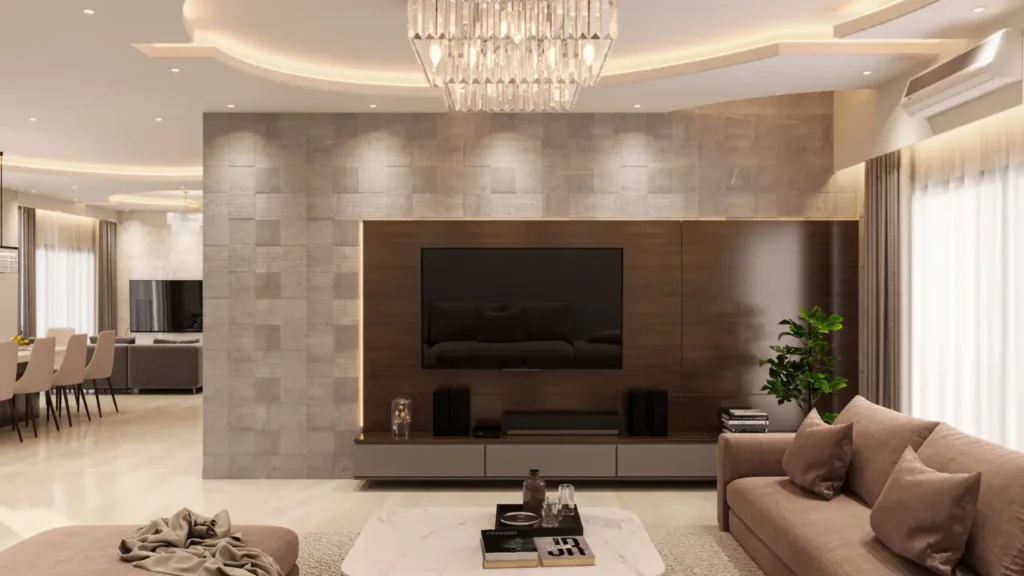
This guide explains how to choose and arrange furniture for small living rooms, bedrooms, dining areas, home offices, entryways, studios, guest rooms, and multipurpose spaces.
What Makes Furniture Suitable for Small Spaces?
Good furniture for a small room should do more than physically fit through the doorway. It should help the room function without creating unnecessary obstacles.
Look for furniture with:
- Appropriate dimensions
- Efficient footprints
- Useful storage
- Flexible placement
- Manageable depth
- Proportional scale
- Reasonable visual weight
- Multiple functions when genuinely useful
- Easy movement
- Practical access to doors and drawers
Small Furniture vs. Space-Efficient Furniture
These aren’t always the same thing.
Small furniture is simply smaller in physical dimensions.
Space-efficient furniture uses limited space intelligently.
For example, a basic small ottoman might provide a footrest, while a storage ottoman could provide a footrest, occasional seating, and concealed storage.
Similarly, a nesting table set may occupy a compact footprint when stored but provide additional surfaces when guests arrive.
A storage bed, floating desk, drop-leaf table, or narrow vertical cabinet can also provide more usable function without requiring a large floor footprint.
The goal isn’t to make every piece as small as possible. The goal is to make every piece earn its place.
How to Measure a Small Space Before Buying Furniture
One of the most common small-room mistakes is buying furniture based only on how it looks online.
Before purchasing anything substantial, measure the room and the route the furniture must take to reach it.
Measure the Room
Record:
- Room width
- Room length
- Ceiling height
- Doorways
- Windows
- Radiators
- Closets
- Electrical outlets
- Existing fixtures
- Main walking paths
Then measure the furniture you’re considering.
Don’t Forget the Delivery Route
A piece can fit perfectly inside a room and still be impossible to bring into it.
Check:
- Entry doors
- Hallways
- Stairways
- Elevator dimensions
- Turns and corners
- Door-opening clearance
- Assembly space
For large furniture, the delivery route can be just as important as the final placement.
Width Isn’t Everything
When evaluating furniture, consider:
Width + depth + height + clearance
A narrow cabinet that extends far into the room can consume more usable floor space than expected. Likewise, a deep sofa can reduce circulation even when its overall width seems appropriate.
Think about the space around the furniture, not just the furniture itself.
Best Small Space Furniture Ideas by Room
Different rooms have different priorities. A useful piece of bedroom furniture may not make sense in a living room, and a compact desk needs different considerations from a dining table.
Small Living Room Furniture
For a compact living room, consider:
- Compact sofa
- Loveseat
- Small sectional
- Armless sofa
- Accent chair
- Storage ottoman
- Small coffee table
- Nesting tables
- Slim TV console
- Narrow bookcase
Start with the largest piece, usually the sofa. Then build the rest of the layout around circulation and seating needs.
Don’t automatically choose the smallest sofa. A sofa that is too small may leave the room uncomfortable while still taking up valuable floor space.
Small Bedroom Furniture
Useful options include:
- Storage bed
- Platform bed
- Narrow nightstand
- Slim dresser
- Tall wardrobe
- Under-bed storage
- Storage bench
- Wall shelves
The bed normally becomes the starting point because it occupies a large portion of the room. Once its position is established, plan storage around the remaining usable circulation.
Small Dining Area Furniture
Consider:
- Round dining table
- Bistro table
- Drop-leaf table
- Narrow rectangular table
- Extendable table
- Folding chairs
- Dining bench
The best option depends on how often the table is used and how much space must remain available when nobody is eating.
Small Home Office Furniture
A compact work area can include:
- Compact desk
- Floating desk
- Wall-mounted desk
- Narrow bookcase
- Storage cabinet
- Ergonomic office chair
Don’t save floor space by choosing an unsuitable chair or desk. A workspace still needs to support comfortable daily use.
Small Entryway Furniture
For narrow entrances, consider:
- Slim console table
- Narrow shoe cabinet
- Storage bench
- Wall hooks
- Vertical cabinet
- Small mirror
The entryway should remain easy to pass through. Storage that blocks the main route defeats its purpose.
Best Space-Saving Furniture for Small Rooms
Certain furniture categories are particularly useful when floor space is limited.
Storage Beds
A storage bed can combine sleeping space with drawers or another built-in storage area.
This can be useful when bedroom storage is limited, but check whether the storage remains easy to access once the bed is positioned.
Nesting Tables
Nesting tables allow multiple surfaces to occupy a smaller footprint when not needed.
They can be useful beside sofas or in living rooms where occasional extra table space is more important than having several full-size tables permanently positioned.
Drop-Leaf Tables
A drop-leaf table can provide a larger working or dining surface when needed while taking up less room when its leaves are lowered.
Folding Furniture
Folding chairs, tables, and desks can be useful when a room needs to change functions.
The trade-off is that folded furniture still needs a practical storage location.
Modular Furniture
Modular seating can be useful when the room arrangement changes regularly.
Its value depends on whether you will actually rearrange the pieces. If the furniture will remain in one position permanently, a simpler design may be more practical.
Storage Ottomans
A storage ottoman can provide seating, a footrest, a table alternative, or concealed storage depending on the design.
Narrow Cabinets
Tall, narrow cabinets can use vertical space while limiting the amount of floor width they consume.
Floating Desks
A floating or wall-mounted desk can provide a work surface without requiring a conventional desk footprint.
Always consider installation requirements and wall limitations before choosing this option.
Small Space Sofa Ideas
The sofa is often one of the largest pieces in a living room, so its dimensions can determine whether the entire layout works.
Popular options include:
- Compact sofa
- Loveseat
- Apartment-size sofa
- Small sectional
- Reversible chaise sectional
- Armless sofa
- Low-profile sofa
- Modular sofa
Sofa Measurements to Check
Don’t look only at overall width.
Check:
- Overall width
- Overall depth
- Seat depth
- Seat height
- Arm width
- Back height
- Door clearance
- Walking space
Don’t Automatically Choose the Shortest Sofa
A shorter sofa isn’t necessarily the most efficient option.
For example, a sofa that is slightly wider but considerably shallower may work better in a narrow room than a shorter sofa with excessive depth.
Comfort also matters. A sofa that technically fits but is uncomfortable isn’t a successful small-space solution.
Small Sectional vs. Sofa and Chairs
Both arrangements can work in a compact living room, but they solve different problems.
| Factor | Small Sectional | Sofa + Chairs |
|---|---|---|
| Seating | Integrated | Flexible |
| Corner use | Can be efficient | May leave corner unused |
| Rearrangement | More limited | Easier |
| Number of pieces | Usually fewer | More |
| Layout flexibility | Depends on configuration | Usually higher |
| Best for | Defined seating zones | Flexible rooms |
A sectional may make sense when the room has a useful corner and the household prefers integrated seating.
A sofa and movable chairs may work better when the room needs to change frequently or when circulation is irregular.
For more sofa-specific planning, you can naturally connect readers to your guides on small sectional sofa ideas and compact sectional sofas for small spaces.
Small Coffee Table Ideas
Coffee tables don’t have to be large to be useful.
Consider:
- Round coffee tables
- Oval coffee tables
- Narrow rectangular tables
- Nesting tables
- Lift-top tables
- Storage ottomans
- C-shaped tables
Why Table Shape Matters
The shape affects how people move around the room.
Round and oval tables avoid sharp corners and can sometimes work well in layouts where circulation passes closely around the table.
Nesting tables provide flexibility because additional surfaces can be separated when necessary.
C-shaped tables can slide closer to a sofa when someone needs a surface for a laptop, drink, or book.
The important point is to choose the shape based on how the room is used rather than simply selecting the smallest table available.
Small Dining Furniture Ideas
A dining area can quickly become difficult to use when the table is oversized.
Consider:
- Round tables
- Bistro tables
- Drop-leaf tables
- Narrow rectangular tables
- Extendable tables
- Folding tables
- Benches
- Folding chairs
Plan Dining Clearance
A table needs more than its own footprint.
Think about:
- Chair pull-out space
- Walking paths
- Kitchen circulation
- Table access
- Number of regular diners
A table may technically fit between two walls but still create an uncomfortable dining experience if chairs cannot be pulled out easily.
Choose based on real daily use rather than the maximum number of seats advertised.
Small Bedroom Furniture Ideas
The bed normally determines the bedroom layout.
Consider:
- Storage beds
- Platform beds
- Narrow nightstands
- Tall dressers
- Slim wardrobes
- Under-bed storage
- Storage benches
- Floating shelves
A Simple Bedroom Layout Principle
Place the bed first, protect circulation second, and add storage around the remaining usable space.
Avoid filling every wall with furniture simply because storage is limited.
A room still needs accessible paths, usable doors, and some visual breathing space.
Small Space Storage Furniture
Storage is one of the biggest challenges in compact rooms, but more storage isn’t always the answer.
The better question is:
What exactly needs to be stored, and how often do you need to access it?
Useful options include:
- Tall bookcases
- Narrow cabinets
- Storage beds
- Slim drawer units
- Storage ottomans
- Storage benches
- Floating shelves
- Closed cabinets
- Over-door organizers
- Vertical shelving
Open vs. Closed Storage
Open Storage
Advantages include:
- Easy access
- Good visibility
- Useful for frequently used items
- Can feel visually lighter
But open shelving can also become visually busy when every shelf is filled.
Closed Storage
Closed cabinets can help conceal everyday clutter and keep less attractive items out of sight.
The best combination depends on what you’re storing.
Use open storage for things you regularly access or intentionally display, and closed storage for items that don’t need to remain visible.
Vertical Furniture Ideas for Small Spaces
When floor space is limited, look upward.
Vertical furniture can increase storage capacity without requiring a wider footprint.
Consider:
- Tall bookcases
- Floor-to-ceiling shelving
- Vertical cabinets
- Floating shelves
- Wall-mounted organizers
- Tall wardrobes
- Vertical entryway storage
However, don’t cover every available wall with shelves and cabinets.
Small rooms still need visual breathing space.
A balanced layout often works better than maximizing storage on every surface.
Multifunctional Furniture for Small Spaces
Multifunctional furniture can be extremely useful when a single piece can genuinely replace another piece or solve multiple daily needs.
Examples include:
Storage Ottoman
Seating + footrest + storage.
Sofa Bed
Seating + occasional sleeping space.
Storage Bed
Sleeping area + storage.
Lift-Top Coffee Table
Coffee table + elevated work or dining surface.
Drop-Leaf Table
Dining or work surface + reduced footprint.
Storage Bench
Seating + storage.
Desk With Shelving
Workspace + organization.
The Trade-Off
Multifunctional furniture can also be:
- Heavier
- More expensive
- More complicated
- Harder to move
- More demanding to set up
- Equipped with more moving parts
That’s why multifunctional isn’t automatically better.
If you only need a basic coffee table, buying a complicated convertible model may provide little practical benefit.
Choose extra functionality because you need it—not because it sounds innovative.
Small Space Furniture Layout Ideas
Furniture arrangement can have as much impact as the furniture itself.
Sofa Against the Wall
This can preserve central floor space when the room’s doors, windows, and circulation allow it.
Sofa Facing the TV
Create a clear viewing zone without blocking the primary route through the room.
Floating Sofa
In an open-plan room, a sofa can sometimes help define the living area without a physical wall.
Corner Seating
Corner seating can make use of an otherwise difficult area, provided the furniture doesn’t block windows, doors, or circulation.
Dining Behind the Sofa
In an open-plan room, placing a compact dining table behind the sofa can create two distinct functional areas.
Desk in an Unused Corner
A small desk can turn an underused corner into a dedicated workspace.
Furniture Along One Wall
In very narrow rooms, concentrating major furniture along one wall can leave a clearer movement route.
The best layout depends on the actual architecture. Don’t force a furniture arrangement simply because it looks attractive in a photograph.
Small Space Furniture for Multipurpose Rooms
Some rooms have to perform several jobs.
Examples include:
- Guest room + office
- Living room + workspace
- Dining room + office
- Bedroom + dressing area
- Entryway + storage
- Studio room + sleeping area
Furniture can help separate these functions without permanently dividing the room.
Useful options include:
- Sofa beds
- Folding desks
- Storage benches
- Drop-leaf tables
- Modular seating
- Folding chairs
- Mobile storage
- Nesting tables
For example, a guest room that doubles as an office may benefit from a compact desk and a sofa bed rather than a permanent bed that occupies the room every day.
The key is to design around the functions you actually use.
Small Space Furniture for Studio Homes
Studios require careful zoning because several functions share one room.
Useful pieces include:
- Modular seating
- Storage beds
- Open shelving dividers
- Compact dining furniture
- Floating desks
- Narrow consoles
- Folding furniture
Create Clear Zones
Try to visually separate:
- Sleeping
- Living
- Working
- Dining
- Storage
Furniture placement, shelving, rugs, lighting, and changes in orientation can help establish these zones without physically closing off the room.
Small Space Furniture for Renters
Renters often need solutions that can move with them.
Consider:
- Freestanding furniture
- Portable storage
- Folding pieces
- Modular furniture
- Freestanding room dividers
- Removable organizers
- Lightweight shelving
Before installing wall-mounted desks, shelving, or cabinets, check the lease and building rules.
For renters, flexibility can be just as important as space efficiency.
A piece that works well today but cannot be moved to your next home may not provide the same long-term value as a flexible alternative.
How to Make a Small Room Feel More Open With Furniture
There is no single furniture piece that automatically makes every small room feel larger.
Instead, focus on several layout principles.
Use Appropriate Scale
Avoid furniture that overwhelms the room, but don’t fill it with excessively tiny pieces either.
Furniture should relate to the room and to the other pieces around it.
Protect Circulation
Keep the main walking routes clear.
Reduce Visual Weight
Furniture with:
- Exposed legs
- Open bases
- Slim frames
- Less bulky silhouettes
can sometimes appear lighter within a compact room.
Keep Some Floor Visible
A room with furniture covering nearly every section of floor can feel crowded.
Maintain Consistent Proportions
A small room can contain several furniture pieces successfully when their proportions work together.
Small Space Furniture Colors
Color should support the room’s overall atmosphere without becoming another source of visual clutter.
Popular choices include:
- White
- Cream
- Beige
- Taupe
- Light gray
- Natural wood
- Brown
- Black
- Soft green
- Navy
How to Use Color
Light furniture colors can contribute to an airy visual effect.
Natural wood can add warmth and texture.
Dark furniture can provide contrast and definition.
Accent colors can introduce personality without requiring every piece to be colorful.
Consider natural light, flooring, existing decor, maintenance needs, and household lifestyle before choosing a furniture palette.
You don’t need every furniture piece to match. A controlled color relationship is often more useful than a perfectly matching furniture set.
Modern Small Space Furniture Styles
Small rooms can accommodate many design styles when the furniture remains appropriately proportioned.
Modern
Clean lines, straightforward forms, and restrained detailing.
Minimalist
Function-focused furniture with limited visual clutter.
Scandinavian
Light wood, soft colors, and practical silhouettes.
Japandi
Natural materials, warm neutrals, and simple forms.
Mid-Century Modern
Tapered legs, warm wood, and relatively compact silhouettes.
Contemporary
Balanced proportions, mixed materials, and updated finishes.
The best style is ultimately the one that works with the room’s architecture and the way you live.
Small Space Furniture Materials
Materials affect appearance, maintenance, weight, and everyday practicality.
| Material | Common Uses | Advantages | Considerations |
|---|---|---|---|
| Solid wood | Tables, beds, storage | Natural appearance | Can be heavier |
| Engineered wood | Desks, cabinets | Versatile | Construction quality varies |
| Metal | Frames, shelving | Strong structural appearance | Can feel visually heavier |
| Veneer | Tables, cabinets | Wood appearance | Finish quality matters |
| Laminate | Desks, cabinets | Wide range of finishes | Surface quality varies |
| Glass | Tables, shelving | Can provide a lighter visual effect | Requires regular cleaning |
| Upholstery | Sofas, chairs | Comfortable seating | Requires appropriate care |
| Performance fabric | Sofas, chairs | Designed for everyday use | Follow care instructions |
There is no universally best material.
For a frequently used sofa, comfort and fabric care may matter most. For shelving, construction and stability may be more important. For a dining table, surface maintenance and available space can influence the decision.
Affordable Small Space Furniture Ideas
Affordable doesn’t have to mean buying the cheapest possible piece.
The better goal is value.
Budget Strategies
- Buy essential furniture first.
- Prioritize frequently used pieces.
- Compare construction and materials.
- Consider secondhand furniture.
- Mix new and used pieces.
- Choose multifunctional furniture when appropriate.
- Avoid filling empty areas unnecessarily.
- Consider long-term usefulness.
A low-cost piece that doesn’t fit the room may become an expensive mistake if you need to replace it.
Before buying, ask whether the furniture solves a genuine need and whether you’ll still want to use it after the initial excitement disappears.
Small Space Furniture for Different Lifestyles
The right furniture depends heavily on how the room is used.
For Singles
Consider:
- Compact seating
- Flexible tables
- Practical storage
- Multifunctional furniture
For Couples
Prioritize:
- Comfortable shared seating
- Dining space
- Storage
- Flexible layouts
For Families
Focus on:
- Storage
- Easy-clean surfaces
- Flexible furniture
- Accessible organization
For Work From Home
Prioritize:
- Proper desk
- Comfortable chair
- Monitor setup
- Storage
- Cable management
For Entertaining
Consider:
- Nesting tables
- Modular seating
- Folding chairs
- Extendable dining furniture
A small room doesn’t have to serve fewer purposes. It simply needs furniture that supports those purposes efficiently.
Common Small Space Furniture Mistakes
Avoid these common problems:
- Buying furniture before measuring.
Measure the room and delivery route first. - Ignoring furniture depth.
Width alone doesn’t tell you how much floor space a piece consumes. - Choosing an oversized sofa.
The sofa often determines the rest of the living-room layout. - Blocking doors or windows.
Furniture placement should respect the room’s architecture. - Forgetting chair clearance.
Dining chairs need space to move away from the table. - Filling every corner.
Empty space can be useful for circulation and visual balance. - Using too many tiny pieces.
Several small pieces can sometimes create more visual clutter than one appropriately scaled piece. - Ignoring vertical storage.
Walls can provide valuable storage opportunities. - Buying based only on product photos.
Check dimensions and proportions. - Choosing appearance over function.
Attractive furniture still needs to work in the room. - Buying unnecessary multifunctional furniture.
Extra mechanisms aren’t useful if you never use them. - Forgetting delivery dimensions.
Check the route into the room. - Ignoring assembly requirements.
Make sure you have enough space and the necessary tools or help. - Buying storage without considering access.
Storage isn’t useful if drawers and doors cannot open comfortably. - Creating too many separate visual zones.
A small room can become visually fragmented when every area has a different design treatment.
Compact Furniture vs. Multifunctional Furniture
These two approaches solve different problems.
| Factor | Compact Furniture | Multifunctional Furniture |
|---|---|---|
| Footprint | Usually smaller | Varies |
| Main function | One primary use | Multiple uses |
| Complexity | Usually simpler | Can be higher |
| Flexibility | Moderate | Often higher |
| Storage | Depends on design | Often integrated |
| Best for | Straightforward needs | Multiple room functions |
Which Approach Should You Choose?
If the room has a straightforward purpose, compact furniture may be enough.
If the same room must support several activities, multifunctional furniture may provide greater value.
But multifunctionality shouldn’t become a goal by itself.
A simple, comfortable chair can be a better choice than a complicated convertible chair if you only need seating.
Freestanding vs. Built-In Furniture
Both can work in small spaces.
| Factor | Freestanding | Built-In |
|---|---|---|
| Flexibility | High | Lower |
| Moving | Easier | Difficult |
| Custom fit | Limited | High |
| Rental suitability | Usually easier | Depends on permission |
| Storage efficiency | Varies | Can be excellent |
| Installation | Simpler | More involved |
Built-in furniture can make excellent use of awkward dimensions, but it may require more planning and installation.
Freestanding furniture is generally more flexible, particularly for renters or people who expect their needs to change.
Furniture Features Worth Considering
Features are useful when they solve a genuine problem.
Look for options such as:
- Storage compartments
- Modular construction
- Reversible chaise
- Nesting capability
- Foldable design
- Adjustable height
- Removable covers
- Casters where appropriate
- Extendable surfaces
- Lift-top surfaces
- Vertical storage
- Replaceable components
Don’t assume a longer feature list automatically means better furniture.
A feature is valuable when it improves how you use the room.
How to Choose Small Space Furniture: 7-Step Framework
Step 1 — Measure the Space
Record room dimensions, doors, windows, and delivery access.
Step 2 — Define the Room’s Main Function
Decide what the room must actually support.
Step 3 — Identify Essential Furniture
Start with the pieces that solve the most important needs.
Step 4 — Check Width and Depth
Look at the complete footprint rather than only one dimension.
Step 5 — Plan Circulation
Account for walking paths, doors, drawers, and chairs.
Step 6 — Add Storage or Multifunctionality
Only add these features when they genuinely improve the room.
Step 7 — Style After Function
Once the layout works, add:
- Rugs
- Lighting
- Art
- Plants
- Decorative accessories
This approach prevents decoration from taking priority over everyday usability.
Small Space Furniture Buying Checklist
Before placing an order, check:
- ☐ Room measured
- ☐ Doorways checked
- ☐ Delivery route checked
- ☐ Furniture width checked
- ☐ Furniture depth checked
- ☐ Furniture height checked
- ☐ Walking clearance planned
- ☐ Main purpose identified
- ☐ Storage needs identified
- ☐ Material reviewed
- ☐ Construction reviewed
- ☐ Comfort considered
- ☐ Maintenance considered
- ☐ Assembly checked
- ☐ Warranty reviewed
- ☐ Return policy reviewed
- ☐ Layout visualized
This simple checklist can prevent many avoidable furniture-buying mistakes.
Five-Minute Small Space Furniture Test
Before buying, ask yourself seven questions.
1. Will It Fit Through the Door?
Check the entire route from delivery point to final room.
2. Will It Leave Enough Walking Space?
Visualize actual movement around the furniture.
3. Can Doors and Drawers Open?
Check functional clearance, not just overall dimensions.
4. Does It Solve a Real Problem?
Don’t buy furniture simply because an empty corner makes you feel like something is missing.
5. Is It Comfortable?
Especially test seating, beds, desks, and dining chairs whenever possible.
6. Is Its Extra Function Actually Useful?
Don’t pay for functionality you don’t expect to use.
7. Can You Move It Later?
This matters particularly for renters and people who frequently rearrange their homes.
FAQ — Small Space Furniture Ideas
What furniture is best for small spaces?
Furniture with appropriate proportions, practical storage, flexible placement, and useful functionality can work well in small spaces. The right choice depends on the room dimensions and how the space is used.
How do I choose furniture for a very small room?
Start by measuring the room and delivery route. Identify the room’s primary function, prioritize essential pieces, check both furniture width and depth, and protect the main walking paths.
What sofa is best for a small living room?
Compact sofas, loveseats, apartment-size sofas, small sectionals, reversible chaise designs, and low-profile sofas can all work depending on the room. Pay attention to depth, not just width.
Are sectionals good for small spaces?
A small sectional can work well when the room has a suitable corner and the sectional’s dimensions leave enough circulation. Separate seating may be more flexible when the layout changes frequently.
What furniture saves the most space?
Useful options include storage beds, nesting tables, drop-leaf tables, storage ottomans, folding furniture, vertical storage, and modular pieces. The best choice depends on what the room actually needs.
How can I make a small room feel less crowded?
Use appropriately scaled furniture, protect circulation, avoid unnecessary pieces, keep some floor visible, and control visual weight. Don’t assume that simply choosing smaller furniture will solve the problem.
What dining table works best in a small room?
Round, bistro, narrow rectangular, drop-leaf, folding, and extendable tables can all work. Choose according to the number of regular diners and the clearance available around the table.
Is multifunctional furniture worth buying?
It can be worthwhile when its multiple functions replace other furniture or solve a real space problem. If you won’t use the additional functions, a simpler piece may be a better choice.
How should I arrange furniture in a small room?
Identify the room’s primary function, place the largest furniture first, protect the main walking path, and then add secondary furniture. Check doors, windows, drawers, and seating clearance before finalizing the arrangement.
Should small rooms use small furniture?
Not necessarily. Proportion is more important than simply choosing the smallest available pieces. Furniture should be appropriately scaled to the room and comfortable for the people using it.
What furniture should I buy first for a small room?
Start with the furniture required for the room’s primary purpose. For a bedroom, that usually means the bed and essential storage. For a living room, start with seating. For an office, start with the desk and appropriate chair.
How can I add storage without making a small room feel crowded?
Consider vertical shelving, tall cabinets, storage beds, narrow furniture, closed storage, and multifunctional pieces where appropriate. Also leave some areas visually open instead of filling every wall.
Final Thoughts
The best small-space furniture isn’t simply furniture with smaller dimensions.
It is furniture that makes limited space work harder without making everyday life harder.
Focus on:
- Proportion rather than size alone
- Depth as well as width
- Clear circulation
- Useful storage
- Flexible placement
- Appropriate multifunctionality
- Vertical space
- The room’s primary purpose
- Your actual lifestyle
- Delivery access
- Comfort and maintenance
Don’t rush to fill every empty area. Start with the furniture you genuinely need, make sure the layout works, and then add pieces that improve comfort or organization.
Once the functional foundation is right, you can bring in rugs, lighting, artwork, plants, and decorative accents to make the room feel like home.
Final Takeaway
The best small space furniture isn’t simply smaller—it is furniture that uses limited space intelligently while keeping the room comfortable, functional, organized, and visually balanced.
